Retiree Super Spending Contributes $121 Billion a Year to Australian Economy: Report
 Rex WiderstromUpdated 3 hours Ago2 Mins read
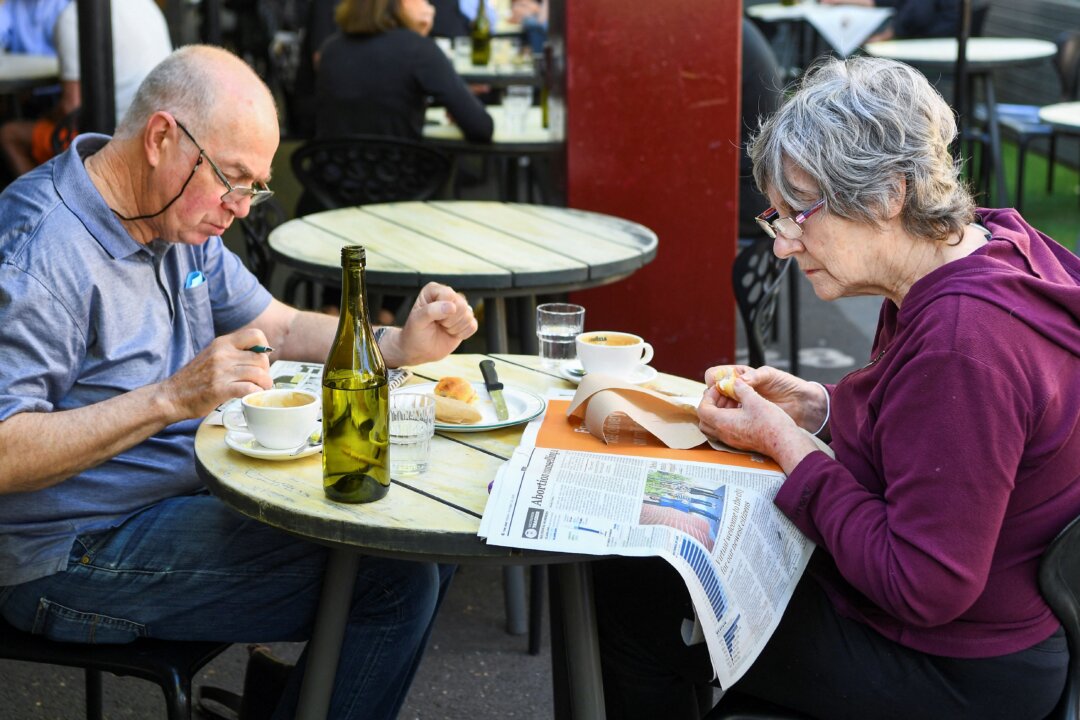
Australian retirees will spend around $121 billion (US$87.4 billion) from their superannuation savings in 2026, a sum that supports more than 485,000 full-time equivalent jobs across the economy, according to new research commissioned by the Super Members Council (SMC).
The research (pdf), conducted by economic consultancy ACIL Allen, was based on a survey of around 2,000 Australians aged 60 and over.
It found that superannuation now delivers what the report’s authors describe as a “double dividend”: higher retirement incomes for individuals and a flow-on boost to jobs, businesses, and communities as that money is spent.
“The economic benefits of investing Australians’ super savings are well researched, but this report goes further—it is the first to show how retirees’ spending drives economic activity in specific industries and supports hundreds of thousands of jobs,” the SMC stated.
“Every time a retiree uses their super savings to buy groceries, pay a utility bill, visit family, take a holiday, or make a long-awaited home improvement, their spending helps power Australian jobs and support local businesses,” SMC CEO Misha Schubert said.
“Those benefits ripple through communities large and small, from our biggest cities to regional and rural Australia.”
Total superannuation savings held by Australians now stand at around $4.8 trillion.
How Superannuation Spending Supports Jobs
The report found that retiree spending drawn from superannuation flows through supermarkets and food producers, transport providers, trades and construction businesses, tourism and hospitality operators, insurers and financial service providers, and essential household services across the country.
By state, New South Wales accounted for the largest share of superannuation-funded retiree spending, at $44.5 billion, supporting an estimated 181,100 jobs.
Victoria followed with $28.5 billion in spending and 123,000 jobs, and Queensland with $22.3 billion and 90,600 jobs.
South Australia recorded $9.9 billion in retiree superannuation spending, supporting 40,100 jobs, while Western Australia recorded $10.8 billion and 33,300 jobs.
The Australian Capital Territory accounted for $2.6 billion and 6,400 jobs, and Tasmania $2.5 billion and 10,700 jobs.
The Northern Territory was included for completeness at $100 million and 200 jobs, though the report noted this was based on a survey response of fewer than 10 respondents with superannuation income.
Retiree superannuation spending supported the most jobs in the retail trade, at 75,300, followed by accommodation and food services with 58,500 and construction with 52,400.
It also supported 39,500 manufacturing jobs, 38,900 jobs in professional, scientific and technical services, and 33,800 jobs in financial and insurance services.
Other sectors identified in the report included health care and social assistance, which supported 28,800 jobs; administrative and support services, 26,700; transport, postal and warehousing, 24,900; and wholesale trade, 15,600.
Meanwhile, a survey of 2,500 Australians commissioned by superannuation fund MLC and released on Sept. 6 found that about one-third of respondents aspired to retire with more than $1.25 million in superannuation—a balance the survey’s authors said would enable a “champagne” retirement lifestyle, including extensive travel.
MLC modelling found a 40-year-old would need $288,800 in superannuation today to be on track for that balance by age 67.


Tories Warn Carney Against Expanding Military Cooperation With China
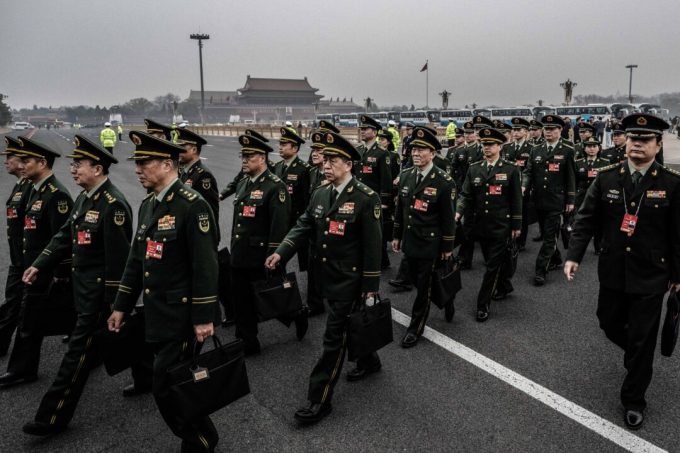
Delegates from the Chinese military at the Great Hall of the People...

21 Arrested in Chinese Drug Ring That Sent Opioids, Stimulants to US Prisons: DOJ
A U.S. investigation into synthetic drugs allegedly shipped from China and smuggled...

Tylenol Use in Pregnancy May Reduce Daughters’ Fertility, Study Finds
Female reproductive organ development could be impacted by a mother taking Tylenol—also...
Zelenskyy’s Plane Nearly Hit by Drone, Norwegian Prime Minister Says
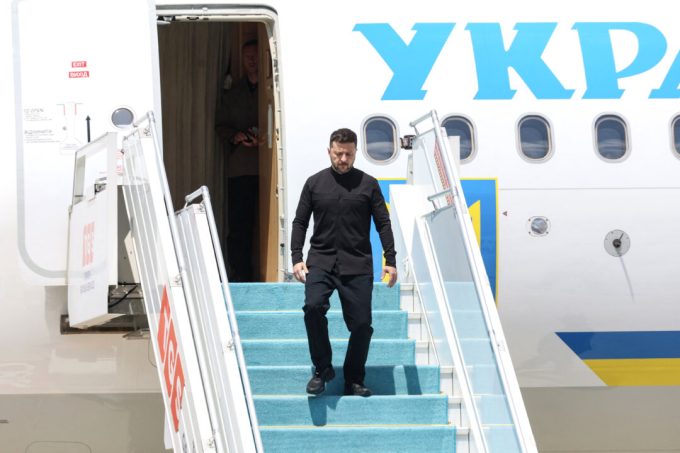
An airplane transporting Ukrainian President Volodymyr Zelenskyy was almost hit by a...