401(k) Balances Climb to Record High in Second Quarter
 Bill PanUpdated 8 hours Ago2 Mins read
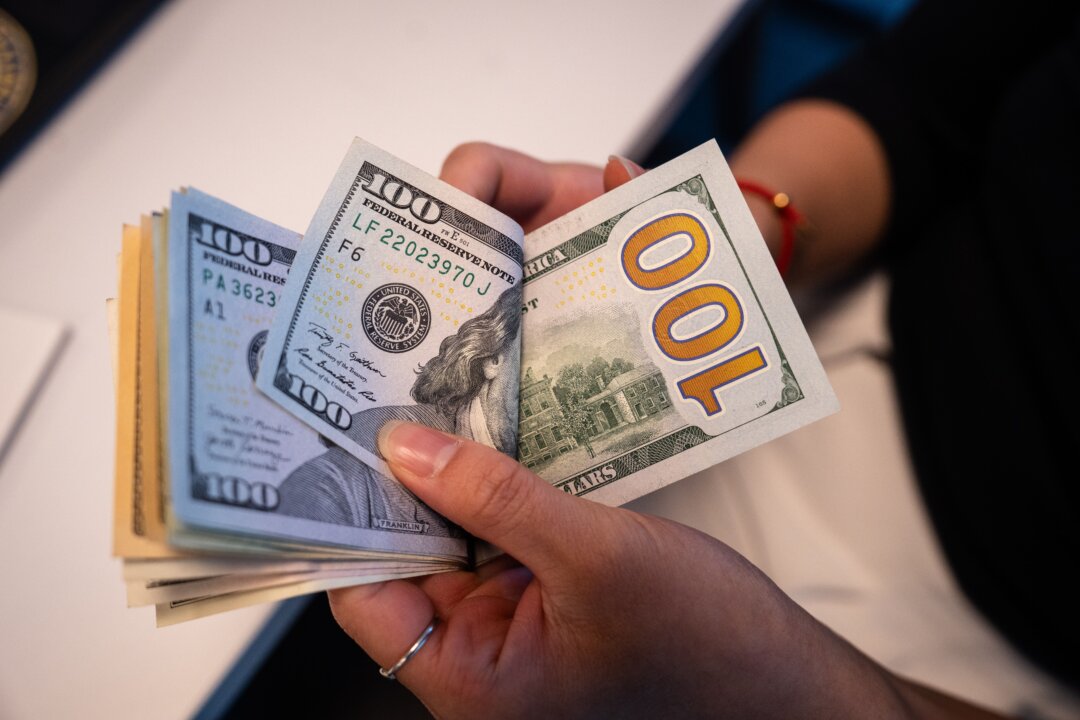
Americans’ retirement account balances climbed to record highs in the second quarter of 2026, a recent report shows.
The average 401(k) balance rose to a record $155,800 in the second quarter, up 10.5 percent from the previous quarter and 13.1 percent from a year earlier, according to Fidelity Investments’ retirement analysis.
It was the strongest quarterly increase since the fourth quarter of 2020.
“After a slight drop in the first quarter of 2026, the average 401(k) and 403(b) account balances rebounded to record levels in Q2 2026,” Fidelity said on Sep. 3.
Balances in other types of retirement accounts also reached new highs.
The average 403(b) balance climbed to $145,000, up 12 percent from the first quarter and 16 percent from a year earlier. The average individual retirement account balance rose to $144,523, a 10 percent increase both quarter over quarter and year over year.
Fidelity attributed the gains to a strong stock-market rebound during the quarter, as well as workers’ strong saving habits.
Savings Rates Remain at Record Levels
The average combined employee and employer 401(k) contribution rate held at a record 14.4 percent for the second consecutive quarter, Fidelity said.
Specifically, employees contributed an average of 9.6 percent of their pay, which was also a record. Employers contributed another 4.8 percent.
That brought the combined rate close to Fidelity’s recommendation that workers save 15 percent of their income annually for retirement, including employer contributions.
More than eight in 10 workers, or 81.2 percent, contributed enough to receive their employer’s full matching contribution.
About 12 percent of 401(k) participants increased their contribution rates during the quarter.
IRA contributions also jumped 36 percent from a year earlier.
“The combination of record account balances, strong savings behaviors and effective plan design tells an encouraging story about how Americans are approaching retirement,” Sharon Brovelli, president of Workplace Investing at Fidelity Investments, said.
Millennials Post Strong Gains
Younger workers recorded some of the biggest retirement savings growth during the quarter.
According to the analysis, the average 401(k) balance for Millennials rose 14.2 percent in the quarter and 26.1 percent from a year earlier.
Gen Z workers also showed a greater preference for Roth accounts, with 21.9 percent contributing to a Roth 401(k), compared with 20.1 percent of Millennials.
In addition, Millennials and Gen X employees were the highest contributors to traditional IRA contributions, both averaging approximately $6,000.
Fidelity’s analysis covers more than 55 million retirement accounts, including 25.8 million 401(k) participants and 9.49 million 403(b) participants as of June 30.
The figures are averages, meaning larger accounts can pull the number higher and individual balances can vary significantly depending on age, income, and years spent saving.







Diesel Hits New High of $6.23 as Trump Urges Ukraine to Halt Russian Refinery Attacks
The national average price of diesel climbed to a fresh record of...
Energy Minister to Travel to Saudi Arabia to Secure Further Fuel Supplies
Federal Energy Minister Chris Bowen speaks to the media during a press...

OpenAI’s Sam Altman Backs AI Slowdown, Calls for Federal Safety Rules
OpenAI CEO Sam Altman has offered some of his clearest comments yet...
Trump Presses Fed to Lower Interest Rates Ahead of Meeting
The Marriner S. Eccles Federal Reserve Board Building in Washington, on August...