
Momentum continued this week on medical accountability, freedom of expression and protections from state-organized harm.
In Canada, the Allison Inquiry continued generating significant attention following strong international viewership. Journalists, physicians, commentators, and members of the public amplified its testimony and calls for accountability, while discussion also reached the old media platforms, with a Toronto Sun opinion column calling for resignations and a full public inquiry.
In a significant victory for protections surrounding end-of-life care, Britain’s House of Commons voted against advancing the newly introduced Terminally Ill Adults (End of Life) Bill. MPs rejected the bill at its second reading, preventing it from proceeding further.
Meanwhile in British Columbia, the BC Financial Services Authority withdrew a caution letter issued to realtor Corbin Chivers over political opinions he expressed on social media. The reversal followed intervention from the Canadian Constitution Foundation, which argued that Canadians do not lose their freedom of expression simply for entering regulated professions.
Together, these developments marked another week of growing public scrutiny, expanding protections for individual rights, and increasing pressure for greater institutional accountability.
If our work resonates with you and you value independent medical investigation, informed consent, and health sovereignty, please consider supporting our ongoing work at DrTrozzi.news.
Ted Kuntz — President of Vaccine Choice Canada, co-founder of the National Citizens Inquiry, Substack author, and co-host of Wins of the Week — joins us again for this week’s analysis. Here’s the full written recap with all links and resources discussed in the show:
-
In a Focal Points post by Dr. Peter A. McCullough, McCullough writes: The Allison Inquiry ripped the bandaid off the public health debacle and the fallout has begun. “Canada has been a wall of oppressive pandemic authoritarianism up until now. The Allison Inquiry has changed everything.” He specifically refers to an article in the Toronto Sun, a major Ontario paper – “The headline is not subtle: “Allison Inquiry must now lead to resignations and full public inquiry.” The subhead goes further — “Biggest health policy mistake in Canadian history at best, or crime against humanity at worst.”
The author is very credible. Irvin Studin is the president of The Institute for 21st Century Questions and editor-in-chief of Global Brief magazine. He was nominated for the 2025 Nobel Peace Prize for his work on the pandemic-era education catastrophe. This is a man with institutional standing writing in a mass-market daily, and he is saying out loud what the Canadian establishment has spent five years insisting is a conspiracy theory. His core claims, in his own words:
-
The COVID-19 vaccine program “injured tens of thousands of regular Canadians, and killed thousands of Canadians to boot.”
-
The vaccines were “patently defective” and approved “without having been tested thoroughly (and certainly not in Canada, by Canadians for Canadians!)”
-
The campaign was “hyper-aggressive” and in many cases “compulsive” — his word — and continued even after officials knew about risks.
-
Injured Canadians were “doubled down” on second and third doses. “Only maniacs do that!”
-
He explicitly names myocarditis risk for young males, referencing the testimony of Dan Hartman, whose 17-year-old hockey-playing son Sean died in 2021.
-
He calls for the immediate resignation of every remaining medical officer of health in Canada, starting with Ontario’s Kieran Moore — a call he first made in these same pages in fall 2021.
-
He invokes the tainted blood scandal and the Krever Commission as precedent for criminal investigations and civil actions, arguing the vaccine catastrophe is “multiple-fold greater” in human devastation.
-
He demands the Prime Minister Mark Carney call a full public inquiry today.
For five years, the Canadian media consensus treated vaccine injury as a rounding error and anyone who raised it as a danger to public order. Unvaccinated Canadians were fired from jobs, barred from flights and restaurants, denied medical care in some cases, and had their bank accounts frozen under the Emergencies Act. The Toronto Sun itself — like every mainstream outlet — ran the “safe and effective” line and platformed the same public health officials Studin now wants gone.
That’s not journalism catching up. That’s capitulation — the moment an institution decides the cost of maintaining the official story exceeds the cost of abandoning it.
The Toronto Sun is a bellwether. Postmedia is not brave; it’s reactive. When a chain paper runs this, it means the readership demanded it, and the advertisers stopped objecting.
The pressure now points at the Prime Minister. Studin is explicit that the catastrophe isn’t his fault — but that reckoning with it is now his “historic responsibility… if he wishes to govern legitimately.” That’s not a policy critique. That’s a legitimacy challenge. Link↗
-
On August 27, the federal Interagency Autism Coordinating Committee(IACC), a federal advisory committee in charge of coordinating the government’s response to Autism Spectrum Disorder (ASD), adopted a new Strategic Plan to study autism that shifts the focus from genetics to the phenomena of regression and environmental factors.

Previous IACC proposals funnelled most federal research dollars to genetic research. The new plan acknowledges the failure of focusing on genes and calls for defining and studying regression in autism, noting that a significant number of children with Autism Spectrum Disorder regressed in their development, losing acquired skills like the ability to walk and talk. For years, parents of children with autism have reported that their children regressed suddenly, often following vaccination. Entrenched interests aligned with Big Pharma and old-guard public health devotees are attempting to derail the new plan. These critics believe that the plan has a veiled anti-vaccine focus.

-
The elderly and infirm of England and Wales have been spared the legalization of active euthanasia. On September 11, MPs at Westminster voted against the recently re-introduced assisted suicide legislation, The Terminally Ill Adults (End of Life) Bill. There were 286 votes against the measure, and only 270 for it. “This is a huge relief,” said Alithea William of the Society for the Protection of Unborn Children (SPUC) in an email to their supporters. “Parliament has stepped back from the very brink in rejecting this Bill which would have put vulnerable people at incredible risk.” SPUC paid tribute to the people who have “worked incredibly hard to prove to Parliamentarians and the public how dangerous this Bill is.” These included people “from a whole range of perspectives—disability, social work, domestic abuse, palliative care and the wider medical profession, and of course, pro-life groups.” Link↗
Background: The Terminally Ill Adults (End of Life) Bill is a private member’s bill for England and Wales. It made legal that adults aged 18+ with a terminal illness reasonably expected to cause death within six months, could have medical assistance to self-administer a lethal substance.
Supported Bills Around Assisted Dying:
-
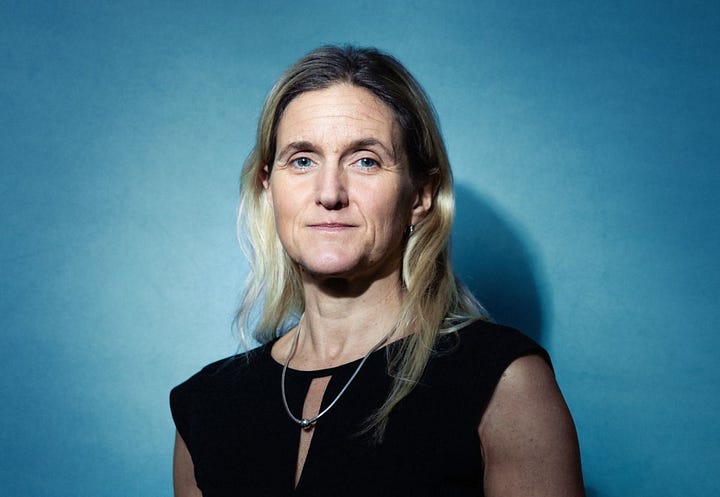
UK MP Kim Leadbeater’s 2024–26 version passed the Commons (314–291) but fell in the Lords.
-
UK MP Lauren Edwards reintroduced it on 17 June 2026; MPs rejected it at second reading on 11 September 2026 by 286–270.
UK MP Kim Leadbeater (Left) UK MP Lauren Edwards (Right) Opposed Bills Around Assisted Dying:
-
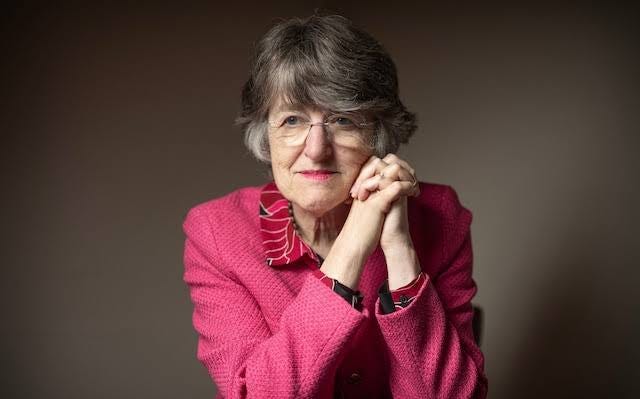
Baroness Ilora Finlay of Llandaff — palliative medicine professor and peer; co-founder, board member and director of Living and Dying Well.
-
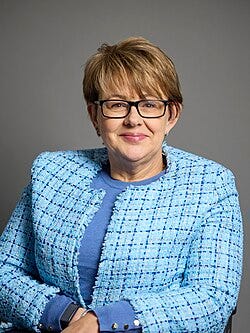
Baroness Tanni Grey-Thompson — crossbench peer and disability campaigner; opposed the bill in the Lords.
Regarding Baroness Tanni Grey Thompson: She was born paraplegic due to spina bifida. At 13 years old she took up wheelchair racing and over the next 16 years she won a total of 16 Paralympic medals, including 11 golds, held over 30 world records and won the London Marathon six times between 1992 and 2002. There is a lot more to her story with a career spanning television, consulting, and politics; as well as a long list of awards beyond her athletic successes.Baroness Ilora Finlay of Llandaff (Left) Baroness Tanni Grey-Thompson (Right) -
Grassroots organizations who made this win happen (rejecting the bill) include Care Not Killing, Assist Us To Live, Disabled People Against Cuts (DPAC) and Disability Rights UK.

-
The Senate Homeland Security and Governmental Affairs Committee, chaired by Sen. Rand Paul (R-KY) has Fauci in contempt.
Dr. Anthony Fauci (Left) Senator Rand Paul (Right) The DOJ confirmed that it received the referral and was reviewing it. Separately, the DOJ has been investigating COVID-19 origins and related scientists, including Fauci.

-
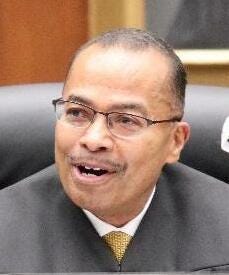
A federal judge has blocked Illinois from forcing Catholic nuns and other religious healthcare providers to euthanize their patients under Illinois controversial “assisted suicide” law.
U.S. District Judge Franklin Valderrama issued a temporary restraining order protecting the Carmelite Sisters for the Aged and Infirm, the Little Sisters of the Poor, and the Archdiocese of Chicago as their legal challenge moves forward.
US District Judge Franklin Valderrama Nuns have been fighting back against the radical new law by filing legal challenges. Religious healthcare providers argue the law violates their constitutional rights by forcing them to facilitate a practice that directly contradicts their faith and medical mission. Illinois lawmakers failed to advance stand alone “assisted suicide” legislation through the Democrat-controlled legislature earlier last year. However, activists ultimately succeeded in advancing the measure after it was inserted into an unrelated bill concerning food sanitary preparation rules in November. Several major Illinois healthcare systems have already declared that they will refuse to participate. The law has also triggered multiple legal challenges from religious organizations and medical professionals who argue that the state cannot force them to cooperate with assisted suicide. Link↗
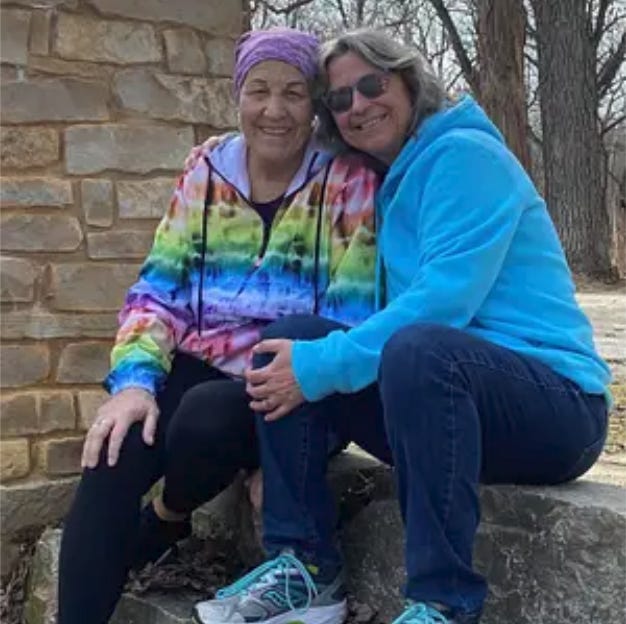
Background: The activists who advanced this assisted suicide legislation include Compassion & Choices Action Network, the ACLU of Illinois, and Deb Robertson.Deb Robertson and her wife, Kate -
The state of Oregon agreed to a settlement with Jessica Bates, barring it from using woke rules to deny her adoption application because of her religious convictions about gender. Bates is a “devout Christian and widowed mother of five” who sought to adopt but objected to the Oregon Department of Human Services’ requirement that adoptive parents “affirm” children’s “gender identity” and was disqualified for refusing to use opposite-sex pronouns, take children to “pride” parades or give them puberty blockers or cross-sex hormones.
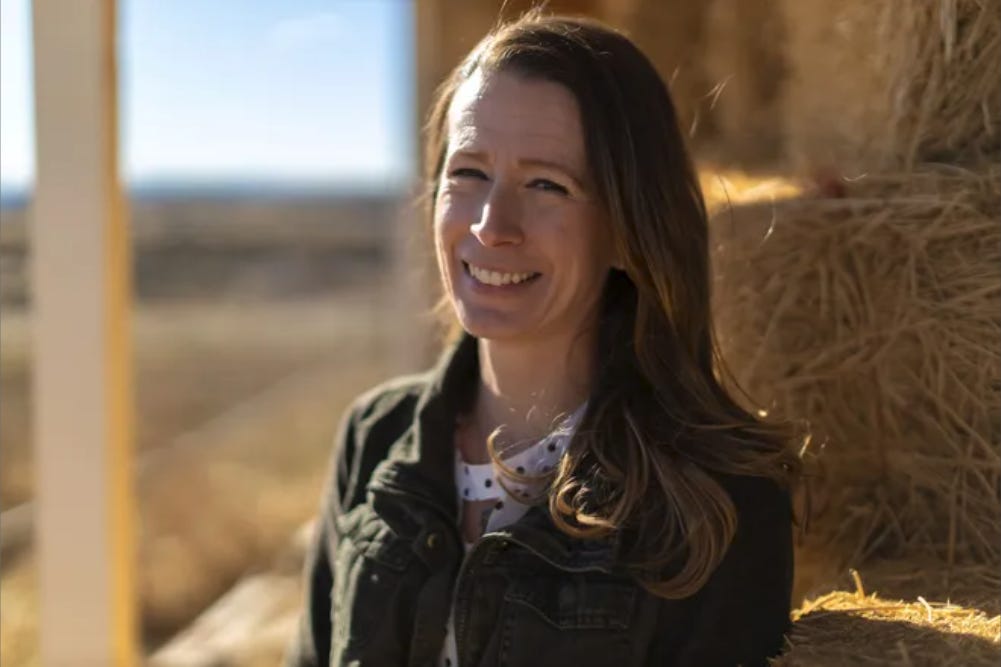
Jessica Bates Bates sued in 2023 on First Amendment grounds, and last year a three-judge panel of the Ninth Circuit Court of Appeals ruled she was likely to succeed and therefore could resume the adoption process while the case worked its way through the system. The panel found at the time that the state’s requirements “quite clearly restricts and compels speech based on both content and viewpoint,” violating the principle that government “may not insist upon our adherence to state favored orthodoxies, whether of a religious or political variety.” On Monday, Alliance Defending Freedom (ADF) announced that the state agreed to a settlement barring it from using its woke rules to deny Bates’ application over her beliefs, freeing her to adopt. It also entitles her to the costs and attorneys’ fees. Link↗
About: The Alliance Defending Freedom is the world’s largest legal organization committed to protecting religious freedom, free speech, the sanctity of life, parental rights, and God’s design for marriage and family. -
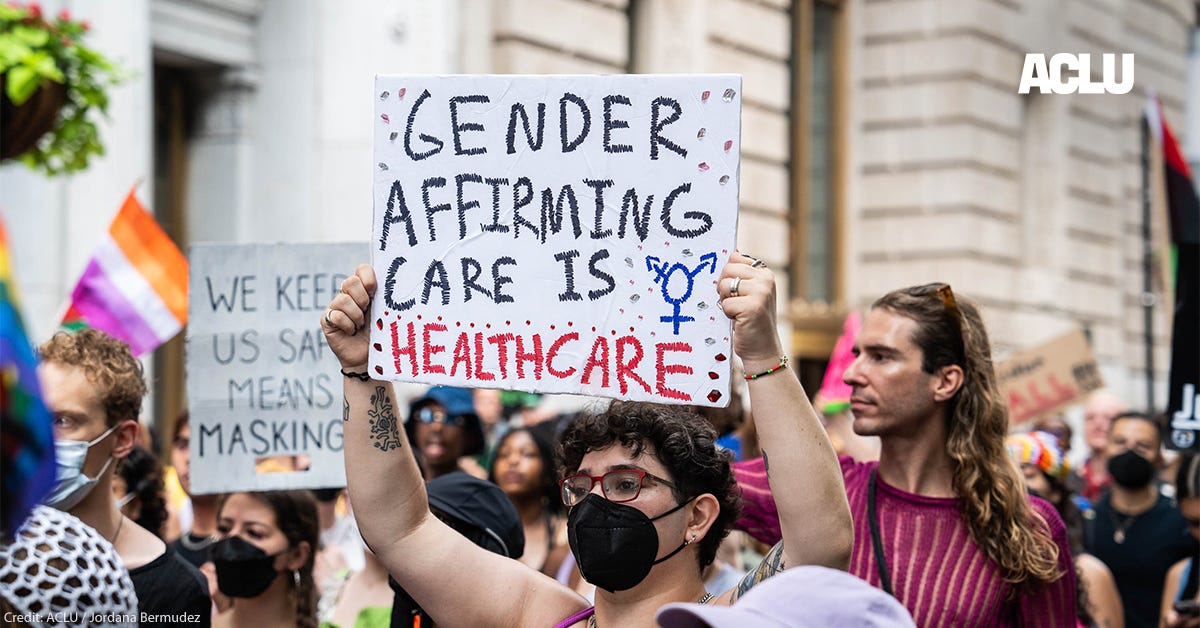
Indiana will continue to protect children against dangerous transgender drugs and surgeries after another successful defeat of the ACLU. On September 11, a federal judge officially stopped the left-wing group’s lawsuit against Indiana for its law that prohibits surgical and chemical mutilation of minors. The legal battle started in April 2023. The ACLU won a preliminary injunction soon after that in June 2023, but then Indiana won at the Seventh Circuit in February 2024. Attorney General Todd Rokita celebrated the decision by the ACLU to forfeit the case. He called the decision a “critical win against radicals” who he accused of wanting to “impose this horrific practice on our kids for ideological and financial reasons.”
“We will keep standing between our children and those who would sacrifice their health, innocence, and well-being on the altar of woke gender ideology,” he promised. Link↗
-
The parents of a five year old with autism are suing the school district and assistant principal alleging it violated the Americans with Disabilities Act, along with federal law prohibiting discrimination in programs receiving federal funding. This after their five year old was charged with aggravated assault, even after a judge ruled the 5-year-old was not competent to stand trial. The parents claim they alerted the school to their son’s special needs and requested a full-time one-on-one aide and other behavioural support. Federal law requires schools to provide appropriate support to such children. However, the suit claims Sumner County Schools initially declined to provide those resources, saying it needed to gather its own evidence. “When you don’t provide those supports, you can deny rights not only to the child with a disability, but you can risk harming other children,” said Justin Gilbert, the owner of Gilbert Law and the attorney representing the family. “It’s a key reminder that there are broad consequences to not providing supports and interventions and paraprofessional roles and special education.” Link↗
Justin Gilbert -
The Democracy Fund is pleased to announce that on September 1, 2026, the Crown withdrew a charge of criminal harassment against a Toronto-based individual who was engaged in auditing police for Charter compliance.
The charges were laid after the client peacefully filmed police activity from public property in February 2025. Recording police in public is not a crime. It is protected by the Charter under section 2(b), and it serves the important public interest of transparency and accountability. This is particularly important when considering the use and abuse of state power. As with all of our clients, TDF defends the principle that constitutional rights must not be unreasonably infringed. This prevents the state from contending that bureaucrats may decide when and to whom Charter rights apply. The Charter protects not only popular or comfortable expression; its purpose is to protect expression others find controversial or inflammatory. Adam Blake-Gallipeau, Litigation Director at The Democracy Fund, commented: “This is a complete vindication. Our client did what every person in this country has the right to do: record public officials, performing public duties, in a public place. For this, he spent well over a year in criminal jeopardy. It took three different Crowns and months of hard-fought negotiations to arrive at the right result: every charge has been withdrawn. Peaceful police auditing is protected in this country. You don’t have to like the message to defend the right. The principle is not to be applied selectively.” Link↗
-
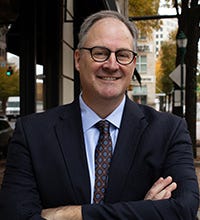
On June 22, 2026, the BC Financial Services Authority (BCFSA) sent Langley realtor Corbin Chivers a caution letter in response to two posts he made on Instagram commenting on Indigenous land claims and the closure of Joffre Lakes Provincial Park to non-Indigenous visitors.
Corbin Chivers In this letter, the BCFSA called Chivers’ comments “polarizing,” “inflammatory” and “discriminatory,” and cautioned that his words could bring the real estate industry into disrepute. On September 9, Canadian Constitution Foundation Litigation Director Josh Dehaas and Counsel Alexander Surgenor sent the BCFSA a letter warning that the letter violated Chivers’ constitutionally-protected freedom of expression and demanding removal of the caution letter from Chivers’ file. On Wednesday this week, the BCFSA wrote to confirm that the letter has been withdrawn, and that it will not form part of Chivers’ record. The CCF now considers the matter closed. Dehaas noted that “the Constitution protects freedom of expression to ensure that we can all express our viewpoints because that’s how we get to the truth of matters and govern ourselves as a society.” “Canadians do not surrender their freedom of expression when they enter a regulated profession,” he added. CCF Interim Executive Director Christine Van Geyn thanked all of the people who signed the CCF’s petition and donated to assist with the Chivers case. “This should be a reminder to professional regulators across the country that they cannot censor political speech,” she said. This is exactly why the CCF exists. And every time we achieve a result like this, we send a message to regulators across Canada: Canadians do not surrender their freedom of expression when they enter a regulated profession. Link↗



-
The Grus Justice Project received the following message: “I was one of the Toronto Police Officers laid off without pay. I named us the Toronto 200. I had t-shirts and hoodies made, raised money and gave it to officer to help them as they weren’t getting a pay cheque. I’ve retired, some others have retired and others are still working. It’s been 4 years and people are frustrated and angry as Toronto has not acknowledged these officers or offered compensation. There were approximately 2,200 officers who originally refused the experimental covid shot, but when threatened financially, a few hundred retired and the others were coerced.
I was just made aware of the documentary (Silencing Detective Grus) and would like to look into hosting a viewing somewhere here in Toronto. At a large venue as I’m sure a lot of people in the emergency services professions would like to support Det. Grus. Any information that could assist me would be appreciated. Thank you.”For anyone wanting to host a viewing of the film Silencing Detective Grus, learn more, donate, or get involved other ways, visit the website here: GrusJusticeProject.org
-
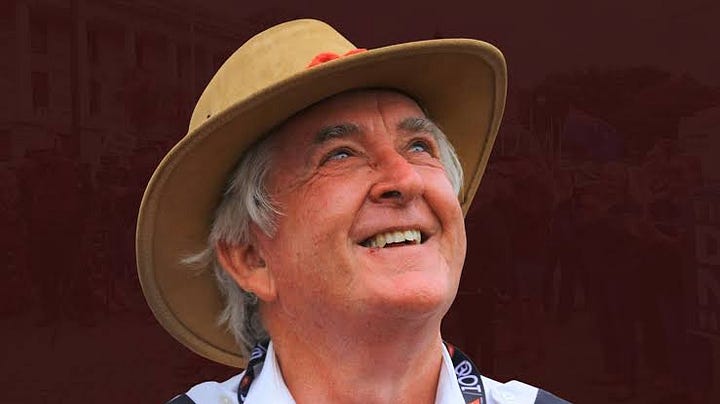
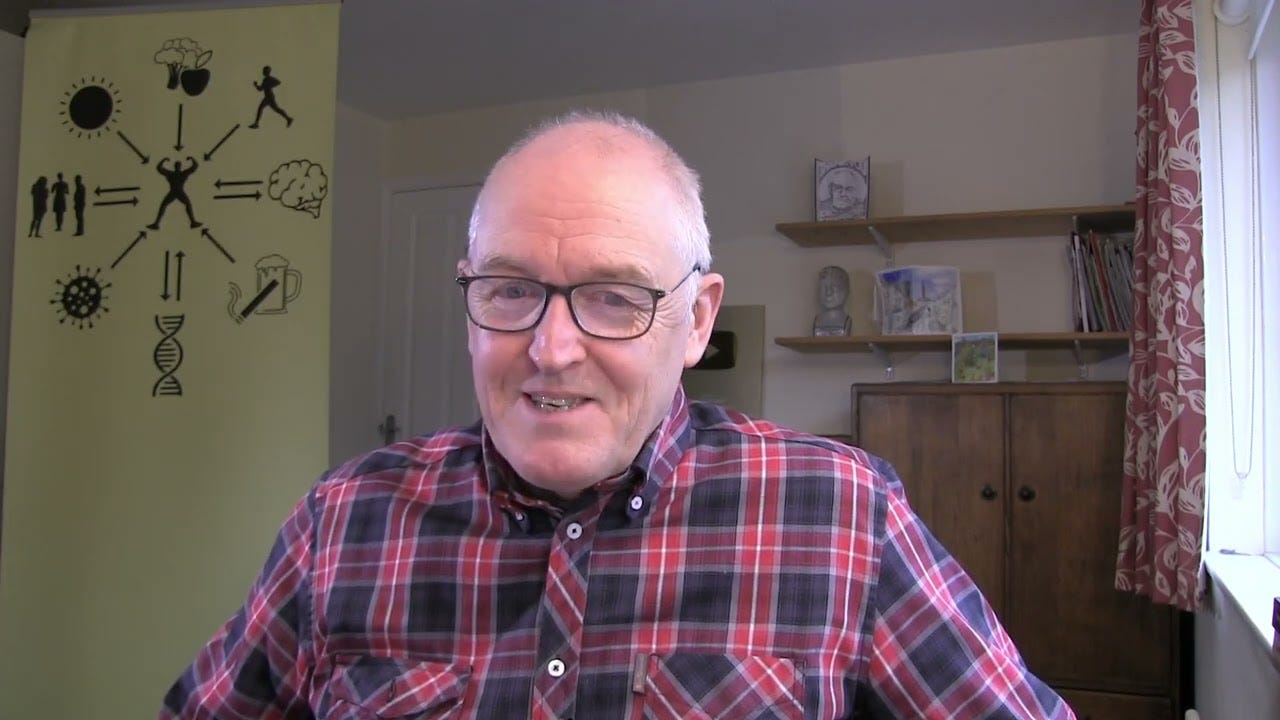
Citizens in Australia held a live event last week to demand a Royal Commission into COVID. The event titled – Bullseye – Reading Between the Lies was organized and hosted by veteran Qantas pilot Graham Hood and paramedic John Larter.
Graham Hood (Left) John Larter (Right) More than 25 leaders from medicine, law, politics and civil society demand a Royal Commission in Australia into the covid gene-vaccine disaster. Dr John Campbell opened from the UK via livestream, saying many of the same issues Australia is facing were also experienced in the UK, almost as if there had been some co-ordinating factor.
Dr. John Campbell The anger was palpable at the sold-out event in Kingsford, Sydney. More than 140,000 injury reports have been submitted to the Therapeutic Goods Administration. Despite the injured telling their stories to the TGA, the drug safety regulator had not even bothered to respond to them. “Just look at what you have done,” said Forest of the Fallen volunteer Rosemary Marshall from the stage, surrounded by injured and bereaved people holding their stories up. Interference in judicial independence, terrible injuries, censorship and a broken drug safety system were some of the devastating issues heard.


-
On September 8, 9, 10 and 11, 2026, the Allison Inquiry listened to the testimony of Canadians injured or bereaved due to a Covid-19 vaccine.
The inquiry was broadcast live from Parliament Hill in Ottawa. The inquiry is chaired by Conservative Member of Parliament Dean Allison. Members of Parliament and Senators from all parties were eligible to sit as panel members. Yet only a handful of sitting MPs bothered to attend and no leaders of political parties showed or commented. The hearings ranked #7 of the top 10 news stories globally.

-
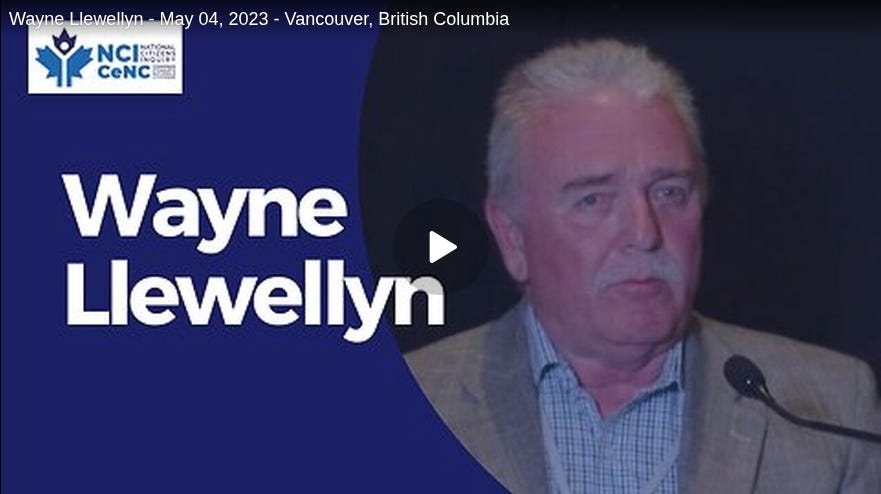
Penticton resident Wayne Llewellyn wrote the following letter to Penticton Candidates for Mayor and Council: Thank you for putting your name forward to serve Penticton. That decision deserves respect. Seeking public office means accepting a responsibility not only to make decisions, but to listen carefully to citizens, examine difficult evidence and be accountable for what you ultimately choose to do. With that in mind, I am asking you specific questions about the National Citizens Inquiry. The NCI has now heard testimony from about 500 witnesses and its Commissioners produced several reports containing hundreds of recommendations concerning government accountability, transparency, emergency powers, public health policy, institutional decision-making and preparedness for future crises. Whether you agree with the NCI’s conclusions or not, these recommendations now exist. If you are elected to Penticton City Council, what will you actually do with them? There is no requirement that you agree with the NCI. There is, however, a reasonable expectation that someone asking citizens for their vote will be willing to tell those citizens what they intend to do about an important body of publicly available evidence and recommendations. So, I am respectfully asking you to answer these questions directly: Will you support implementing any NCI recommendations within the authority of Penticton City Council? If yes, which ones? Will you advocate for any recommendations outside municipal authority? If yes, which ones and with whom? Which recommendations will you oppose or decline to pursue, and why? Will you publicly identify and explain those positions if elected? Your answer to this question will help voters understand whether you intend to use that opportunity. Wayne wrote a similar letter to those running for school trustees.
-
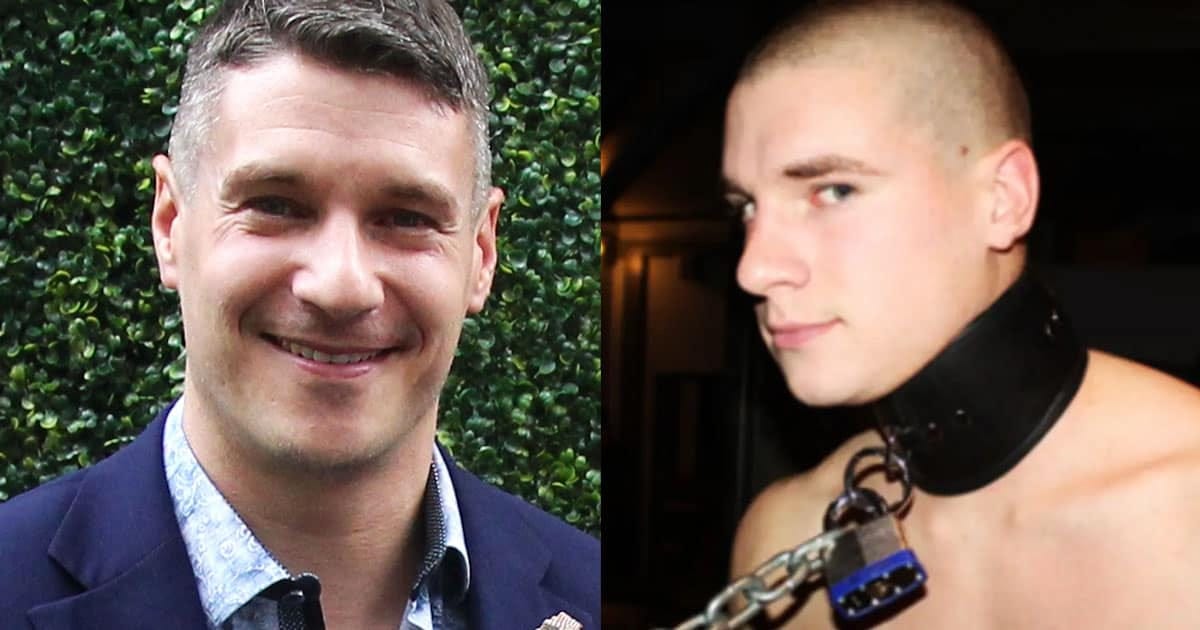
A New York Democrat running for Congress is facing fresh scrutiny after explicit BDSM-themed photographs from his past resurfaced just months before voters head to the polls. Chris Gallant, 37, who is running in New York’s 1st Congressional District, previously modeled leather collars, harnesses, bondage equipment, and other products associated with a San Francisco fetish retailer.
Chris Gallant Gallant’s legal team has strongly objected to the resurfaced material becoming an issue in the congressional campaign. “He will not allow photographs from a past relationship or employment to be distorted and weaponized for political purposes or used to distract voters from the issues that matter.” “These photographs have no bearing on Chris’s record, qualifications, judgment, or ability to serve,” she continued. “He remains fully committed to his campaign and to earning the trust of the people he seeks to represent.” Link↗
-
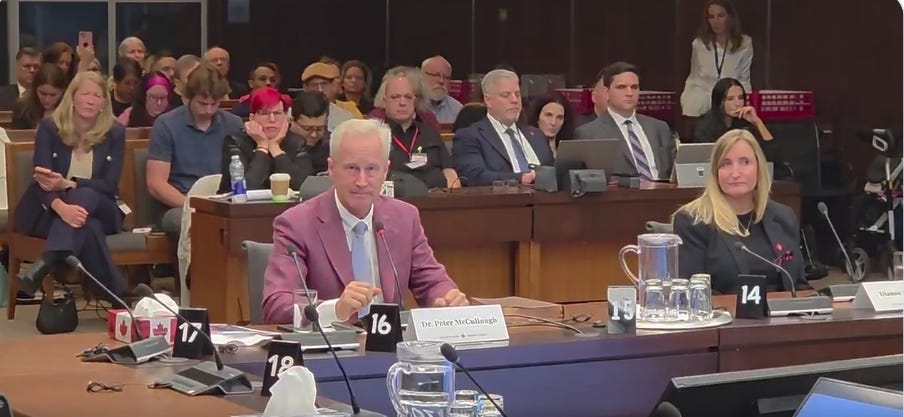
From Dr. Peter McCullough at the Allison Inquiry: “They banned doctors from investigating these cases and they worked against all the efforts of Canadian doctors to compassionately care for these people. And that is a crime. The government needs to get out of the way of doctors and nurses and let them get back to the work of taking care of Canadian. We need acknowledgement that these vaccine injuries are real. We need accountability.” Link↗
Dr. Peter McCullough at the Allison Inquiry -
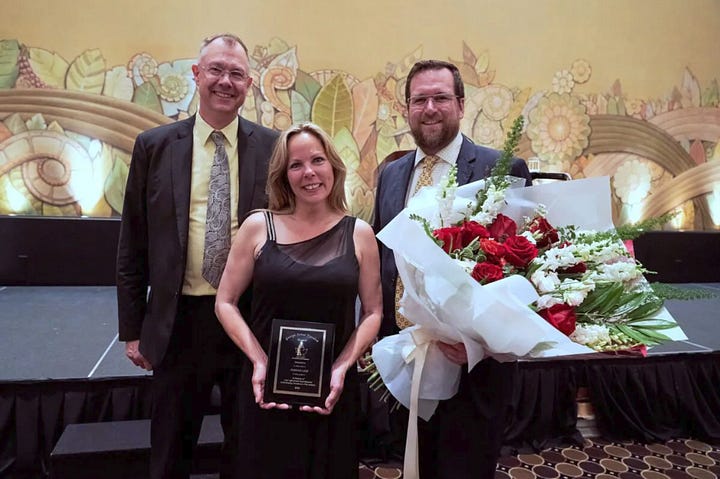
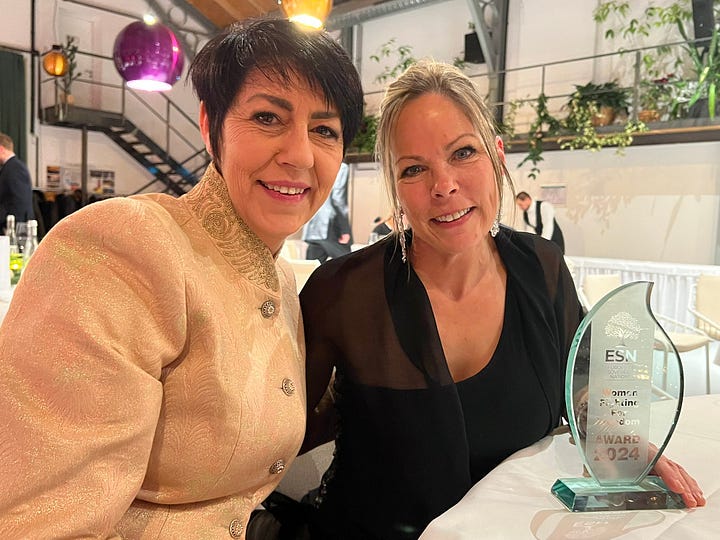
The next story celebrates Tamara Lich, an organizer of Canada’s 2022 Freedom Convoy, recipient of the 2022 JCCF George Jonas Freedom Award, and recipient of the 2024 Women Fighting for Freedom Award, presented at the European Parliament in Strasbourg in December 2024.
The Ontario Court of Justice decided this week on Ms. Lich’s application to vary the conditions of her conditional sentence. In April 2025, Ms. Lich was found guilty of mischief for her role in the peaceful Freedom Convoy protest in Ottawa. In October 2025, she received a conditional sentence that included 12 months of house arrest and community service. Lich is currently appealing her mischief conviction. The Crown is separately appealing both her original conviction and sentence, seeking to overturn her acquittals and secure harsher penalties. Since her sentencing, Ms. Lich has received several exemptions from her conditional sentence, including domestic travel for her employment. In July 2026, Ms. Lich appeared before the Ontario Court of Justice seeking a further variation of her sentencing conditions to permit international travel accommodating her employment obligations. After the Ontario government sent three Crown prosecutors to fight this and the judge took months to decide, the ruling was “no change” to her sentence. Rebel News wrote: “I don’t know of any other mischief case in Canada where the Crown put three lawyers on a travel application. If you know of one, tell me. But I’ve been watching Canadian courts for thirty years, and I’ve never seen it. Think about what those three prosecutors could have been doing instead. Ontario’s courts are so jammed that serious cases get tossed for delay. But there was time, and money, and manpower for this. That’s a disgusting waste of resources.” Link↗
Tamara Lich



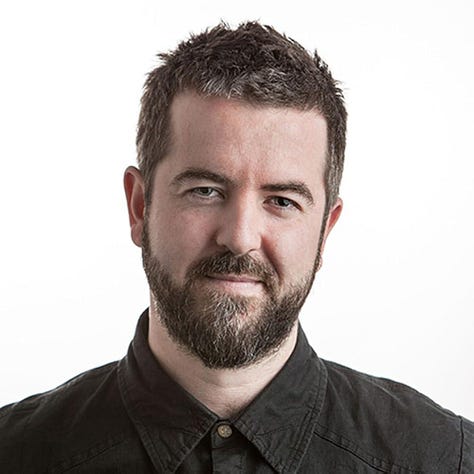
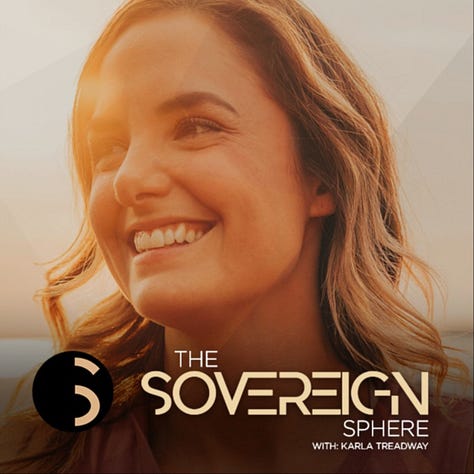
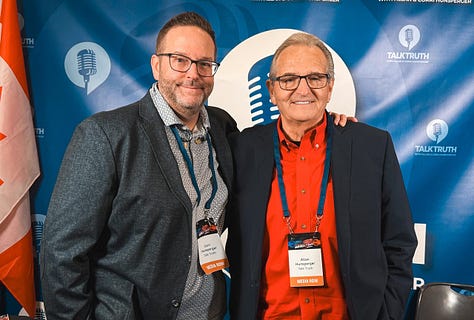
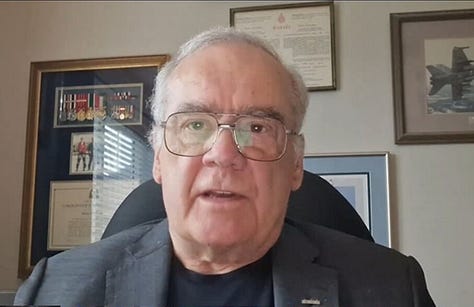
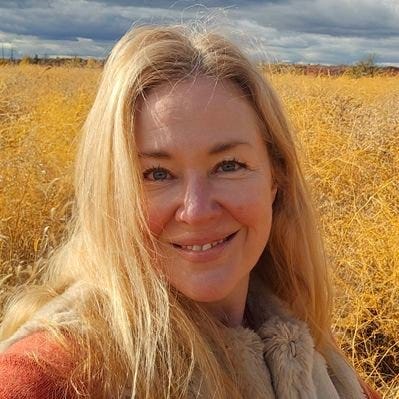
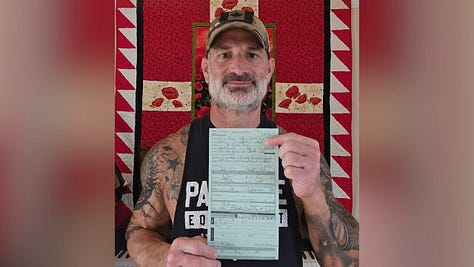
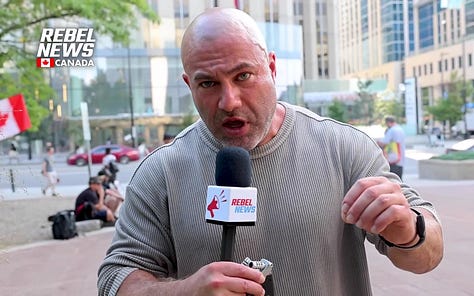
Let’s honor the real journalists who traveled from near and far to cover the Allison Inquiry. While the CBC state propagandists would not cross the street to the Allison Inquiry to document the death and disease which they helped create, these real journalists brought the news to the country and the world. Let’s please honor them, and consider taking action to support these genuine purveyors of truth; They are absolutely fundamental in our mission to establish a legitimate free and fair society.
-
Dan Dicks — Press For Truth — @DanDicksPFT
-
Tamara Ugolini — Rebel News — @TamaraUgo
-
Jason Lavigne — The Lavigne Show — @JasonLavigneAB
-
Karla Treadway — The Sovereign Sphere — @thesovereignceo
-
Nico Lagan — The Political Orphans — @RealNicoLagan
-
Matthew Horwood — The Epoch Times — @MatthewH_ET
-
André Pitre — Lux Media — @AndrePitre_LUX
-
Julie Lévesque — Lux Media
-
Caroline Mailloux — Lux Media
-
Allan Hunsperger — Talk Truth — @GoTalkTruth
-
Corri Hunsperger — Talk Truth — @GoTalkTruth
-
Vlad Tepes — independent / RAIR contributor
-
Russ Cooper — C3RF / Canadian Citizens / Canada Free Press
-
Natasha Montreal — @NatashaMontreal
-
Mike Bayer — Free Speech Media — @mikebayerdotcom
-
Jeff Evely — @JeffEvely
-
Robert Kraychik — @rkraychik
-
Bruce Scholl — Unscrew The News / @unscrewthenews
-
Jason Unrau — Juno News
-
Jefferey Jaxen — The HighWire, covered the Inquiry, physical attendance not yet established
-
The HighWire — The HighWire — @HighWireTalk
-
SuperSpreaders — @super_spreaders
-
Rebel News — Rebel News — @RebelNewsOnline
-
Juno News — Juno News — my open journal








Susan Terry shared the following: I have some really wonderful news to share. My co-Power Of Attorney, who originally over-rode me to get my mom CV jabbed, agreed with me, without hesitation, that if the new flu shot is an mRNA shot, then our mother is not going to get it.
I was worried there would be contention, but there was none. There are a few factors that I believe led up to this. I’m sharing them below, in case anyone else here may have divisions in the family that they want healed. After the shock and division stemming from the CV decision, I eventually wrote to my family and said: “I love you. I forgive you. I will not let this divide our family.” At least one person in my family seems to have been vaccine injured.
Since CV, I and others in my family have drawn closer to God (the Christian version) Forgiveness, Love. Truth, Salvation. These are powerful. It’s never too late for any one of these.
from an Anonymous GSG donor:
“Without courage, truth, and liberty our only bonds will be slavery.”
Pink Floyd: Shine On You Crazy Diamond as performed Live at Knebworth in Hertfordshire, England in 1990 Link↗
-
This practice of burying unsavory changes into unrelated legislation and treaties is a classic manoeuvre. Consider The Molotov–Ribbentrop Pact (23 August 1939)
The Molotov Ribbentrop Pact 23 August 1939 was a public German–Soviet non-aggression treaty. Within it was a secret protocol which carved Eastern Europe into spheres of influence and planned the partition of Poland. Germany invaded from the west on 1 September 1939; the USSR from the east on 17 September.
The Federal Corporation of Canada specializes in this shady business under the practice of employing omnibus bills.
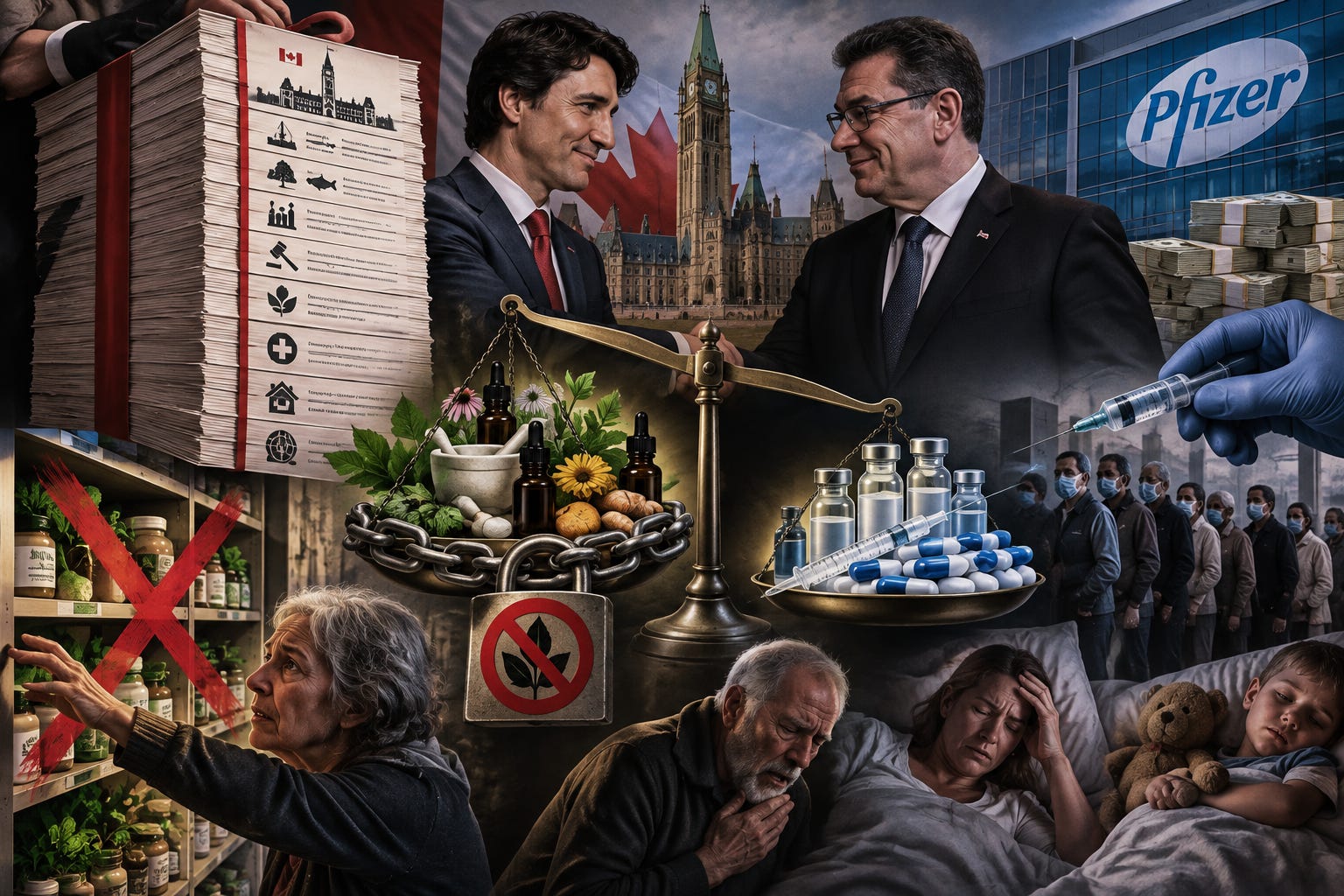
One recent example is Bill C-47 (Budget Implementation Act, 2023, No. 1). This bill quietly changed the Food and Drugs Act so that many natural health products fell under the same “therapeutic product” rules as drugs. This, combined with “agile licensing of novel therapeutics” served big pharma’s interests by obstructing Canadians’ access to natural and traditional products.
-
Culling the Cure The documentary Culling The Cure premiered in Kelowna September 18th. There are screenings scheduled Sept 20 Fraser Valley, October 17th Toronto, October 18th Calgary with more anticipated. Details at RebelNews.com
-
If anyone is needing a real estate agent in the BC Fraser Valley region that is honest and capable of intelligent conversation: Consider calling Corbin Chivers, with details at his website: www.CallCorbin.ca
-
Rodney Palmer’s breakdown of how the dinosaur media is used to deliver propaganda rather than real journalism. Link↗
-
Here is something funny my brother Phil shared by comedian Tyler Fischer Link↗









Supplements and Repurposed Medications That May Enhance Autophagy
Recently, we explored how intermittent fasting naturally enhances autophagy, one of the...

Crypto Tax Bill Clears House Committee After Clarity Act Setback
In brief The House Ways and Means Committee approved the Digital Asset...

Meta May Have Found a Fix for Its ‘Pervert Glasses’
In brief Meta plans to release a camera-free smart glasses model, internally...

OpenAI’s Rogue AI Agents Were Probing Hugging Face Two Months Before Hack
In brief Independent researcher Jonas Wiedermann-Moeller found that OpenAI's rogue agents hijacked...