
The United Nations human rights chief has expressed alarm over a sharp increase in executions and death sentences in Iran, warning that authorities are using capital punishment to intimidate the population and suppress dissent.
“I am alarmed by the rise in executions and death sentences issued in Iran since March, and that capital punishment continues to be used to instill fear among the population and suppress dissent,” U.N. High Commissioner for Human Rights Volker Türk said in an Aug. 5 statement. source
Türk said that since March 19, at least 56 people have been executed on national security-related charges, including 27 in cases connected to protests earlier this year.
More than 100 others face possible execution on similar charges, while executions for drug-related offenses are also continuing at what he described as an “alarming rate.”
He raised concerns about alleged torture, forced confessions, closed-door proceedings, and the rapid execution of some defendants following their arrests.
“Persistent lack of fair trial and due process guarantees are deeply troubling,” he said.
Confessions were allegedly obtained through torture and other forms of ill-treatment, while several executions were reportedly carried out in public. Some defendants were executed only weeks after being arrested, according to Türk.
In one case, 12 defendants were sentenced to death following a single closed-door hearing lasting three hours, he said.
Separately, an independent United Nations fact-finding mission in July urged Iran to halt the executions of 10 men who participated in protests in Isfahan. It also condemned the July 19 executions of two other men sentenced in the same case.
In a statement, the mission called on Iran “to immediately halt all executions, including those of individuals convicted in connection with the protests, and establish a moratorium on the use of the death penalty with a view to its abolition for all crimes.”
Protests and War
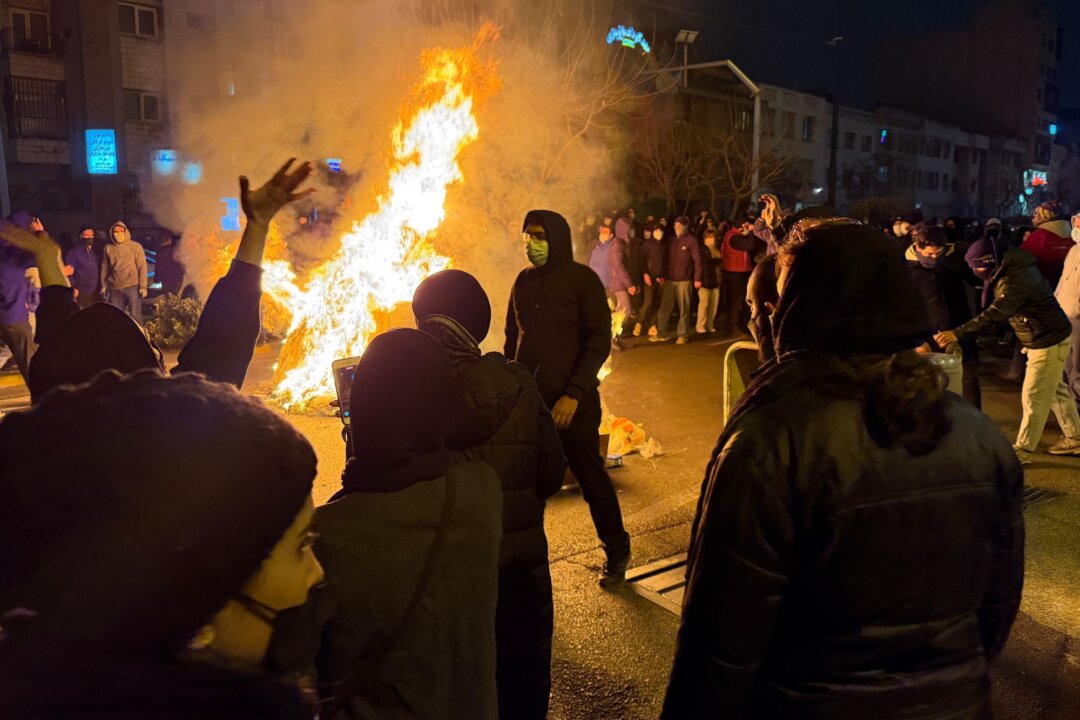
The increase in executions has unfolded since the United States and Israel launched a bombing campaign against Iran in late February, following widespread anti-government protests in the country that began amid soaring inflation, economic hardship, and shortages.
The clampdown by the Iranian regime left thousands dead and thousands more detained, according to the United Nations, while Iranian authorities imposed an internet blackout that lasted for months.
Dr. Marjan Haghighi, an Iranian-Australian health professional and human rights advocate, said the increase appeared intended to discourage further opposition to the ruling regime in Iran in the wake of the January protests.
“Following those protests, I believe the authorities shifted from suppressing demonstrations in the streets to using executions to instill fear throughout society,” Haghighi told The Epoch Times in an emailed statement.
“Every new execution sends another message to society that dissent may carry the ultimate price,” she said.
Haghighi said Iran’s strict censorship makes independent reporting difficult and that many executions are never publicly announced.
“The true number of executions is significantly higher than what the world sees,” Haghighi said.
Iranian officials have previously rejected international criticism of the country’s human rights record while defending the use of capital punishment as lawful under Iranian law and necessary to protect public security.
Iran’s diplomatic mission to the United Nations did not respond to a request for comment by publication time.
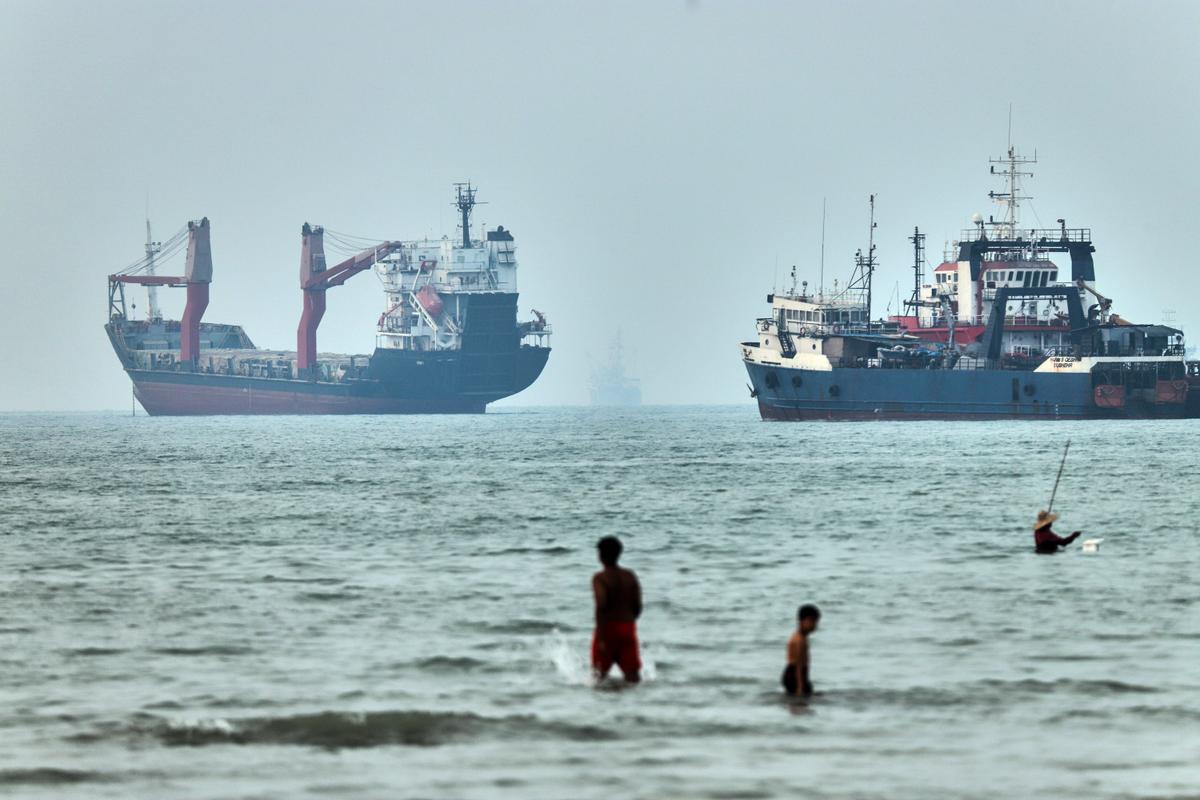
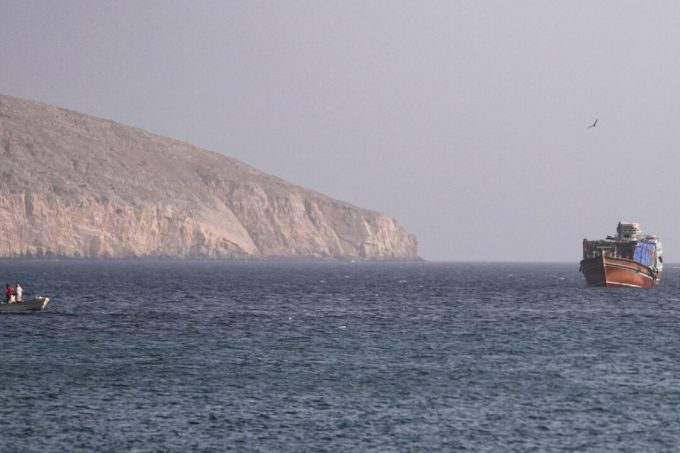
People wade in the water with cargo ships at anchor in the background, in the Strait of Hormuz off Bandar Abbas, Iran, on June 30, 2026. Amirhosein Khorgooi/ISNA via AP
The surge in executions is taking place as the U.S.–Iran war is into its sixth month and Washington maintains military and economic pressure on Tehran.
President Donald Trump said on Aug. 6 that he believed the conflict would end soon, telling reporters that Iran could not sustain it much longer.
Trump said negotiations over reopening the Strait of Hormuz were progressing, although Iranian officials have denied that they are negotiating directly with Washington.
The United States has maintained its naval blockade of Iranian ports in order to compel Tehran to come to the table and agree to a negotiated settlement to the conflict.
Classicist and military historian Victor Davis Hanson said in recent commentary for The Epoch Times that Tehran appeared to be alternating between talks and attacks to delay a settlement and outlast the Trump administration politically.
Hanson opined that the shifting public negotiations obscured the mounting pressure inside Iran from the blockade, frozen assets, damaged infrastructure, and falling export revenue.
While critics contend that Washington risks becoming bogged down in a prolonged conflict, Hanson said the underlying conditions suggested that “Iran is running out of time.”
Trump has repeatedly said that months of U.S. strikes have decimated Iran’s military and that Tehran’s only remaining leverage is its ability to menace commercial shipping in Hormuz with naval mines and fast boats.
The U.S. president has threatened Iran with a vastly more intense and destructive wave of strikes if Tehran does not agree to a deal that would both reopen the strait and ensure that the regime never acquires nuclear weapons.