Four Years Later, Did the Arbour Report on Canada’s Military Culture Get It Right?
 Bryan BrulotteUpdated 9 hours Ago3 Mins read
Commentary
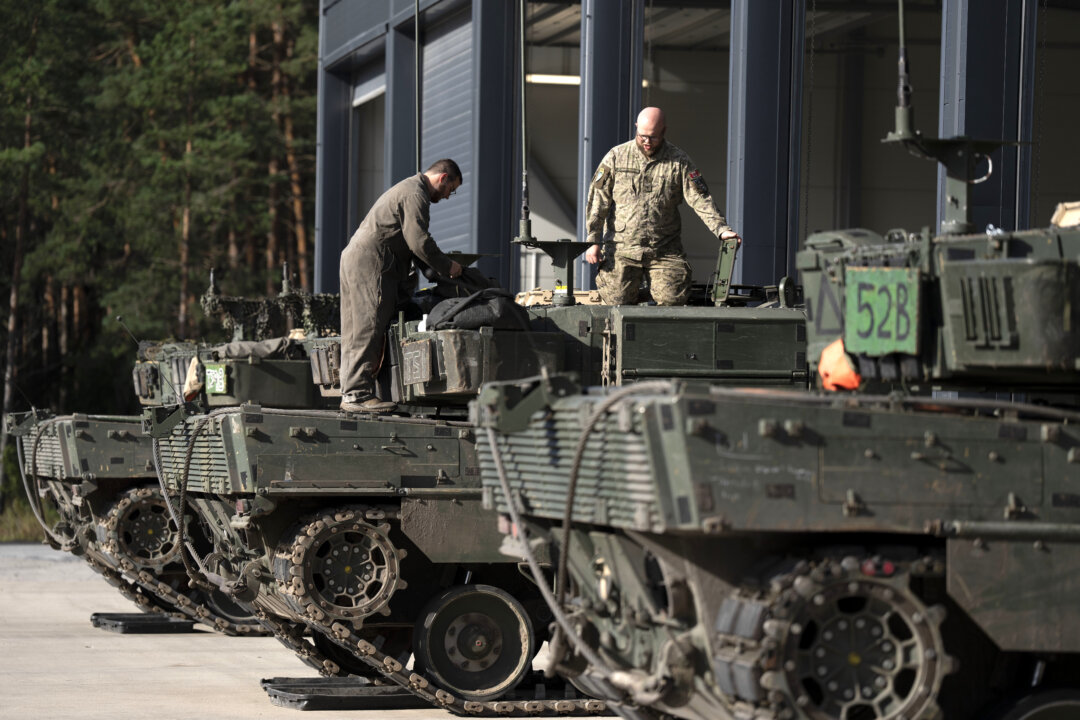
This past weekend, I attended the 150th anniversary celebrations of the Royal Military College of Canada, my alma mater. It was a powerful reminder of what RMC and its graduates have given this country: generations of leaders who served Canada in war and peace, including those who made the ultimate sacrifice. They were guided by a motto that remains as relevant today as ever: Truth, Duty, Valour.
One of the speakers at the gala was Gov. Gen. Louise Arbour. Her remarks were notably respectful of RMC, commending its graduates and recognizing the college’s contribution to Canada over the past 150 years. I welcomed those words, but they also reminded me of the strikingly different picture of RMC and Canadian military culture presented in her 2022 report.
That troubling contrast deserves examination. Four years ago, Arbour challenged fundamental elements of military culture and questioned whether RMC and RMC Saint-Jean should continue to exist. Four years later, it is reasonable to ask a question that received comparatively little attention when the report appeared: Did Arbour get it right?
The Canadian Armed Forces are not above reproach. Misconduct and failures of leadership require action, and those who experience them deserve to be heard. But acknowledging institutional failures does not require accepting every assumption and conclusion in the Arbour report as established fact.
The report’s mandate itself deserves scrutiny. Arbour was asked to examine the causes of the continued presence of sexual harassment and misconduct, barriers to reporting, and measures necessary to eradicate such behaviour. The Independent External Comprehensive Review, therefore, began from a defined problem statement rather than independently establishing the prevalence, distribution, and causes of misconduct across the institution.
The review’s methodology raises further questions. Arbour relied substantially upon confidential interviews and submissions from people who chose to participate, rather than a representative sample of the Armed Forces. A policy paper published by Queen’s University’s Centre for International and Defence Policy argued that this created a significant risk of self-selection bias and questioned whether the evidence accurately represented CAF culture as a whole.
More troubling was language Arbour herself used publicly after completing her review. She said: “If you just recruit white boys who like guns but don’t like women or anybody who doesn’t look like them, you’ll perpetuate that culture.” Her report similarly described the military-college population as predominantly “young white men from Ontario and Quebec.”
Those are sweeping generalizations from someone entrusted with conducting an independent examination of a national institution. Had comparable assumptions been expressed about another racial, gender, or regional demographic, they would almost certainly have attracted scrutiny. At minimum, the comments warrant asking whether assumptions about the people serving in the military affected how some of the evidence was interpreted.
That matters because Ottawa subsequently accepted all 48 recommendations and turned the review into a blueprint for significant institutional change. Acceptance and implementation, however, are not themselves evidence that the underlying diagnosis was correct. The appropriate test is whether the reforms produced measurable improvements in the institution.
Recommendation 32 deserves particular examination. It directed the minster to “correct the over-representation of white men in GOFO ranks,” placing demographic quotas explicitly within discussions about senior military leadership. (GOFO
stands for General Officers and Flag Officers.) Four years later, it is reasonable to examine how those objectives have interacted with the qualities essential to military command: merit, fitness, operational experience, competence, character and the ability to lead in war.
Due process deserves the same scrutiny. Credible allegations must be investigated, complainants supported, and retaliation prevented, but allegations are not findings of guilt. A system of accountability retains legitimacy only when it protects complainants while preserving procedural fairness for those accused.
Most importantly, Canada should now test Arbour’s prescriptions against measurable outcomes. What has happened to recruiting, retention, morale, deployable strength, confidence in leadership, and operational readiness since these reforms began? Has the CAF become more cohesive, more effective, and more capable of fighting and winning?
The Royal Military College deserves the same evidence-based treatment. A biased or flawed report is damaging. Should 150 years of service to Canada be discounted because of conclusions reached during one period of political crisis. Reform should follow evidence, and major institutional changes should themselves be subjected to continuing empirical assessment.
The Arbour report demanded accountability from the Canadian Armed Forces, and four years later the report and the policies flowing from it deserve the same rigorous examination. We should ask not merely whether its recommendations were implemented, but whether its assumptions were sound and whether its reforms strengthened the institution they were intended to improve. Truth, Duty, Valour requires nothing less.
Canada needs armed forces that are professional, disciplined, and fair. It needs leaders selected for competence, character, judgment, and their ability to command in combat. Above all, in an increasingly dangerous world, Canada needs an Armed Forces able to fight and prevail.
Views expressed in this article are opinions of the author and do not necessarily reflect the views of The Epoch Times.


LIVE NOW: NATO Secretary General Rutte Delivers Speech at Commemorative Event for 9/11 in New York
NATO Secretary General Mark Rutte delivers a speech at a commemorative event...
On the Streets of Ceuta, Tensions Rising Amid Migrant Crisis
CEUTA, Spain—Behind a large banner declaring “SOS Ceuta Invaded,” more than a...
John Carpay: Nationalism Means Not Being Selective in Defending Sovereignty
CommentaryWhat does Canadian sovereignty mean? It means that we Canadians are fully...

Trump and Xi may extend their truce, but Canada still faces a rare earth squeeze
Article contentIf the truce lapses, Canadian manufacturers could face more costly and...