Joseph Quesnel: High-speed rail should not come at the expense of property rights
 Special to National PostUpdated 6 hours Ago3 Mins read
Article content
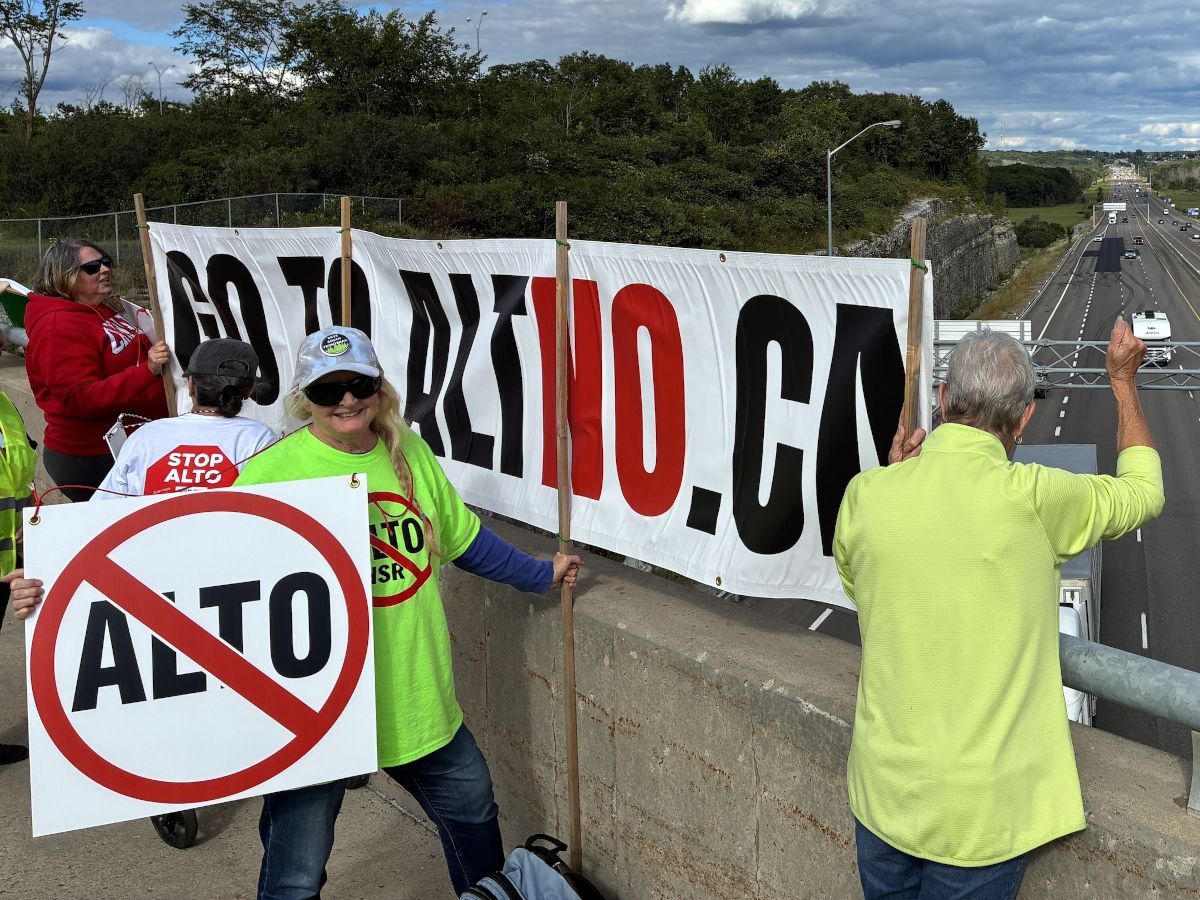
A government that can take your land before buying it is not merely building a railway. It’s testing the limits of property rights.

THIS CONTENT IS RESERVED FOR SUBSCRIBERS
Enjoy the latest local, national and international news.
- Exclusive articles by Conrad Black, Barbara Kay and others. Plus, special edition NP Platformed and First Reading newsletters and virtual events.
- Unlimited online access to National Post.
- National Post ePaper, an electronic replica of the print edition to view on any device, share and comment on.
- Daily puzzles including the New York Times Crossword.
- Support local journalism.
SUBSCRIBE FOR MORE ARTICLES
Enjoy the latest local, national and international news.
- Exclusive articles by Conrad Black, Barbara Kay and others. Plus, special edition NP Platformed and First Reading newsletters and virtual events.
- Unlimited online access to National Post.
- National Post ePaper, an electronic replica of the print edition to view on any device, share and comment on.
- Daily puzzles including the New York Times Crossword.
- Support local journalism.
REGISTER / SIGN IN TO UNLOCK MORE ARTICLES
Create an account or sign in to continue with your reading experience.
- Access articles from across Canada with one account.
- Share your thoughts and join the conversation in the comments.
- Enjoy additional articles per month.
- Get email updates from your favourite authors.
THIS ARTICLE IS FREE TO READ REGISTER TO UNLOCK.
Create an account or sign in to continue with your reading experience.
- Access articles from across Canada with one account
- Share your thoughts and join the conversation in the comments
- Enjoy additional articles per month
- Get email updates from your favourite authors
Sign In or Create an Account
or
Article content
In 2025, the federal government announced plans for a new high-speed rail line, called Alto, to connect Toronto, Ottawa, Montreal and Quebec City. Funded primarily by taxpayers, cost estimates range between $60 billion and $90 billion.
Article content
Article content
Article content
To clear the path, in 2022, the government created a Crown corporation to oversee the Alto project and later designated it a “transformative project” to expedite regulatory and environmental reviews. Those developments create political momentum. They do not establish necessity.
Article content
By signing up you consent to receive the above newsletter from Postmedia Network Inc.
Article content
Under the framework, which was enshrined in law with the passage of the High-Speed Rail Act earlier this year, Alto could potentially expropriate private property along the proposed route without first trying to purchase it from owners. That should concern anyone who believes ownership means more than holding land until the government finds another use for it.
Article content
Expropriation is sometimes necessary. A government cannot allow every landowner to veto a hospital, bridge, utility line or highway. But there are reasonable limits. And a government’s declaration that a project serves the “public interest” is not proof that it does.
Article content
High-speed rail is not an emergency service. It is a transportation choice for commuters and travellers, and on the government’s part, it is a policy choice of where to invest in infrastructure. That does not make Alto illegitimate, but it does mean the burden of justification should be higher before the state compels someone to surrender a home, farm or business.
Article content
Article content
The relevant question is whether the benefits are sufficiently clear, broad and substantial to justify taking Canadians’ land. That requires evidence, not just assertions.
Article content
Article content
The government should publish its estimates of ridership, economic growth, environmental gains and operating costs. It should explain who benefits — frequent travellers, urban centres, developers near the stations, the public — and who bears the costs — taxpayers, rural communities that won’t use the service and property owners whose land falls within the corridor.
Article content
The benefits of Alto may be widely advertised, but the burdens will be personal. One family could lose land. Another could see a rail corridor divide fields, undermine drainage or obstruct farm equipment. A business could lose a location. A homeowner may retain part of a property but lose privacy, access, value and peace of mind.
Article content
Market-value compensation matters. Full compensation for relocation, business losses and damage to remaining land matters even more. But a cheque does not make an involuntary transaction voluntary. A farm is not merely a number of acres. A home is more than its square metres. For their owners, they may bear intangibles that money cannot buy.






Millions of Canadians got their news from Front Page Challenge
The cast of Front Page Challenge with Gordon Sinclair, Fred Davis (standing),...
Randall Denley: Ontario’s fiscal mess isn’t just bad — it’s getting worse
On the deficit, even the Ford government’s own numbers aren’t good. Ontario’s...
Canada’s population growth continues to slow, consistent with lowered immigration targets
Canada has had its lowest year-over year population growth since World War...

‘There will be surprises’: Netanyahu departs for U.S. ahead of UN General Assembly speech
Israeli Prime Minister Benjamin Netanyahu departed for the U.N. General Assembly in...