US Industry Groups Urge Trump to Reject Diesel Export Ban
 Tom OzimekUpdated 3 hours Ago3 Mins read
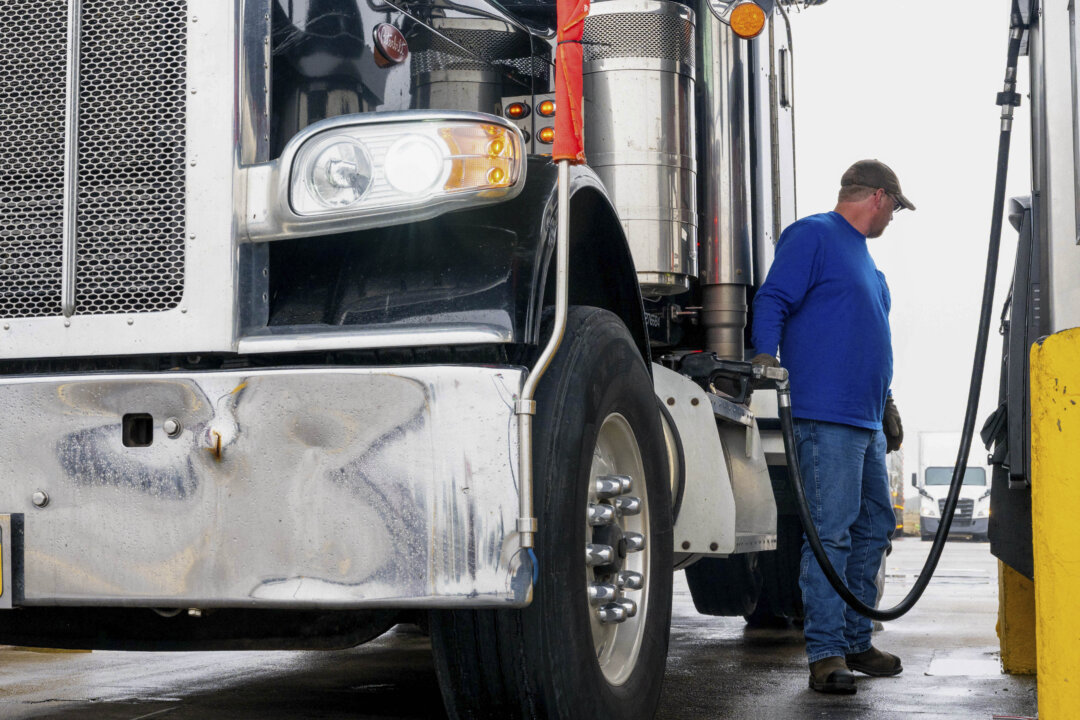
More than 30 U.S. business, energy, and manufacturing groups on Wednesday urged President Donald Trump to reject restrictions on diesel exports, warning that the move could reduce fuel production and raise costs for American consumers.
The industry appeal came a day after Trump signaled support for halting diesel exports to help ease prices that have surged amid supply disruptions from the wars in Iran and Ukraine.
“Export bans would lead to less fuel production, tighter supplies, and rising costs for American families, farmers, and truckers,” the groups wrote in a Sept. 23 letter to the president.
Signatories included the American Fuel & Petrochemical Manufacturers (AFPM), American Petroleum Institute, Business Roundtable, National Association of Manufacturers, and the U.S. Chamber of Commerce.
Energy Secretary Chris Wright also opposed a blanket ban on Sept. 23 and said no such measure was under consideration.
Diesel averaged $6.51 a gallon on Sept. 24, down slightly from $6.52 a day earlier but up from $6.40 a week ago, $5.61 a month ago, and $3.69 a year ago, according to AAA.
Industry Warns of Production Cuts
The groups said restricting exports would force U.S. refineries to reduce diesel production to match domestic demand. Because refineries produce several fuels, that would also mean less gasoline and jet fuel.
“Falling utilization would result in less gasoline and jet fuel production and higher prices for those products as well,” the letter said.
“This could not come at a worse time for consumers as home heating oil season is about to begin.”
The groups also said that export restrictions would weaken the United States’ position as a global energy supplier and give competitors an opening.
“If we pull back, other countries will step in, our influence will shrink, and our adversaries will gain ground,” they wrote.
Wright made a similar argument about refinery operations during an event in New York.
“The blunt tool of banning diesel exports definitely doesn’t work,” he said.
“If you can’t export the diesel that comes out of our refineries, you run out of places to store it, and you have to reduce U.S. refining, which would put upward pressure on gasoline prices and jet fuel prices.”
Responding to a Politico report citing anonymous sources that the government was planning a 90-day export ban, Wright said nobody was considering a flat ban on diesel shipments.
“What’s being discussed is what’s the most efficient way to get more diesel into the United States of America, and continue maximum flows of gasoline and jet fuel,” he said, without providing details.
Trump Backs Export Limits
Trump endorsed an export halt during a Sept. 22 appearance with Ukrainian President Volodymyr Zelenskyy at the United Nations, after being asked about Republican senators’ calls for a ban.
“Well, I’ve called for that, too. I’ve said let’s not send out the diesel,” Trump said.
Supporters of restrictions want to keep more diesel in the United States to help bring down domestic prices.
Sen. Chuck Grassley (R-Iowa) urged Trump on Sept. 19 to impose an embargo, saying high diesel prices were harming farmers’ incomes.
Rep. Tim Burchett (R-Tenn.) has also introduced legislation to restrict diesel exports, including a proposal under which restrictions would be lifted after prices stayed at or below $4.50 a gallon for 30 consecutive days.
The debate follows months of pressure on global fuel supplies from disrupted shipping through the Strait of Hormuz and Ukrainian attacks on Russian refineries.
Some of the Middle East supply has come back, but it remains far below pre-war levels, according to Debnil Chowdhury, who leads the Americas and Europe fuels and refining team at S&P Global Energy. He said Ukrainian strikes on Russian refineries have taken as much as 1 million barrels per day of diesel off the market.
“If there is a way to a peace deal or a peace agreement announcing that there will be no more attacks on Russian refineries, on Middle Eastern refineries … that would obviously make the largest impact on the underlying price,” Chowdhury said.
Trump has urged Zelenskyy to stop ordering strikes against Russian refineries, with the Ukrainian leader refusing to agree to a one-way energy infrastructure ceasefire, instead insisting on reciprocal stand-down.
The Associated Press contributed to this report.






Protest Outside Chinese Embassy Against State Visit by Chinese Leader Xi Jinping
China NewsMark Us Preferred on GoogleTrailer0:00/0:00Members of the Free Tibet movement protest...

LIVE NOW: Rights Groups Rally to Demand End to CCP Persecution During Xi’s Visit to Washington
Faith and human rights leaders, joined by over 300 Falun Gong practitioners,...

Boeing Secures Order for up to 150 737 MAX Planes From Turkish Airlines
Boeing has finalized an order of up to 150 planes for Turkish...

13 Stock Market Jargon Terms That Sound Like Horror Movies (And What They Actually Mean)
Have you ever turned on the financial news and wondered if you...