The Liberal government’s proposed Building Canada Strong Act is drawing strong reactions from political, environmental and labour groups.
The omnibus bill, introduced on the first day of the fall sitting of Parliament, includes amendments to several existing acts — including the Species at Risk Act, Impact Assessment Act and Building Canada Act — intended to further streamline fast-tracking efforts on projects the government deems in the national interest.
One of its many proposals introduces “regions of national interest,” which expands on the “projects of national interest” designation in 2025’s Building Canada Act, and allows projects in designated areas to receive faster approvals and exemptions from environmental laws.
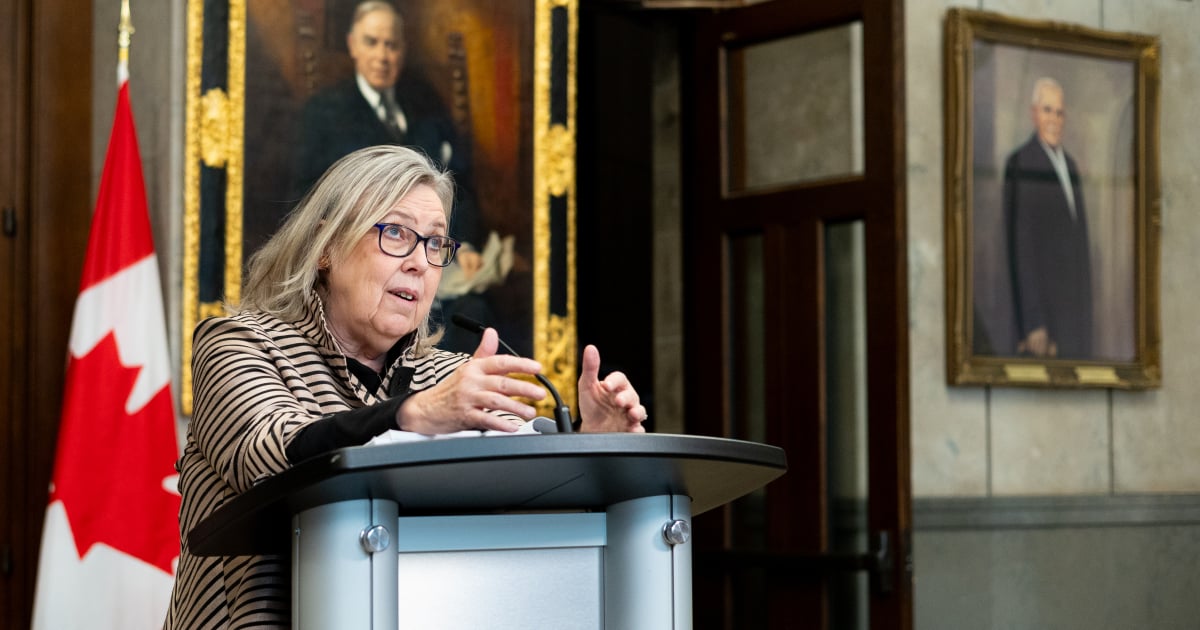
Green Party Leader Elizabeth May calls the Act, also known as Bill C-39, “appalling,” noting that the language around the regions of national interest is “massively discretionary.”
“There really are no criteria. There are no factors. They’re all discretionary,” she said in an interview with Canada’s National Observer. “What the Carney administration is doing is maximizing untrammelled power to the prime minister’s office and cabinet, and maximizing total political discretion to declare something of national interest, whether it’s a region or a project.”
The government says assessments will take place before an area receives the designation, but the legislation does not specify what criteria will be used to determine if an area qualifies.
The bill also proposes giving the government the authority to remove or modify existing conditions of approval for projects of national interest.
Environmental groups have, like May, been vocal in their opposition.
“The government is seeking to eliminate any barrier to megaprojects like the West Coast pipeline and Roberts Bank megaport, no matter the cost to nature and wildlife,” said Julia Levin, associate director of national climate at Environmental Defence, in an online statement.
Both the pipeline and the megaport, which are expected to be listed as projects of national interest under the Building Canada Act later this year, lie within the vicinity of endangered Southern Resident killer whale habitats. Bill C-39 could jeopardize the species’ survival if it alters conditions previously established to protect them.
“Environmental laws are not red tape. They exist to protect Canadians and the environment we love and rely on from irreversible ecological harm,” said Levin.
Other groups have also voiced their discontent.
“This legislation is the latest development in Carney’s deregulation agenda, one that is systematically dismantling the environmental and labour guardrails that protect Canadians and the ecosystems they hold dear to prioritize major projects above all else,” said Katie Gibbs, national policy manager at Climate Action Network Canada, in an emailed statement to Canada’s National Observer.
Gibbs also said that “Bill C-39 is a ‘Bulldoze Nature Bill’ that dramatically overhauls and systematically dismantles our environmental assessment systems.”
Amy Falkner, press secretary to Environment Minister Julie Dabrusin, said in an email to Canada’s National Observer, that the federal government is supporting its climate commitments.
“The scope of environmental assessments remains the same and no changes are being proposed to the broad set of factors that must be considered, including environmental, health and social effects, as well as Indigenous and traditional knowledge,” said Falkner.
“Any project will continue to be subject to legally-binding conditions and mitigation measures.”
Other proposals from Bill C-39 include imposing a one-year federal review timeline for major projects, moving major project reviews from the Impact Assessment Agency of Canada to other departments and updating Canadian labour laws.
Labour unions have also weighed in with concerns.
Under the Bill, the Canada Labour Code would be amended to give the federal government more power to intervene in labour disputes and end strikes that could adversely impact economic priorities deemed to be in the “national interest.”
“Strong collective bargaining, including the right to strike, is in Canada’s national interest,” said Bea Bruske, president of the Canadian Labour Congress, in an online statement.
The proposed changes are tied to Section 107 of the Labour Code — a contentious provision that gives the federal government the ultimate authority to end labour disputes. Despite criticism from labour groups, the Liberals have repeatedly invoked the section to force picketing workers back to work, such as during the 2025 Air Canada flight attendants strike.
Bill C-39 would codify the federal government’s power under Section 107.
“A right you cannot exercise is not a right. Canada’s unions fought for the right to strike, and we will fight to defend it,” added Bruske.
September 24th 2026