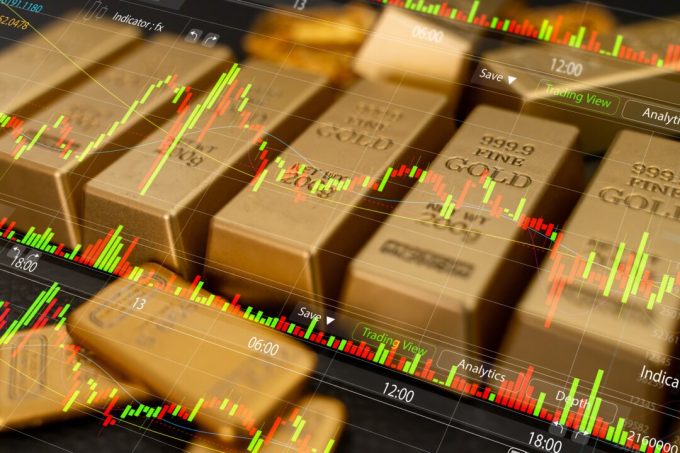

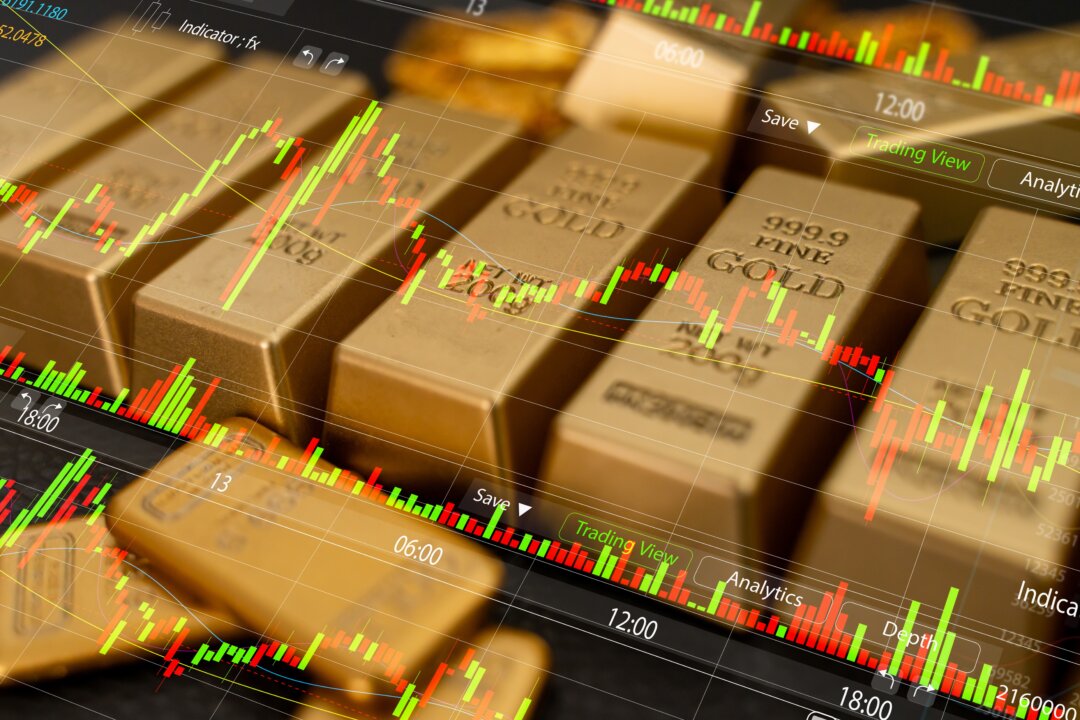
As news of economic uncertainty and geopolitical turmoil dominates the headlines, many investors are moving to safe haven assets like gold.
And the path there seems bright. The spot price of gold stands around $4,500 per ounce, showing recovery from an early summer slump. In fact, it reached an all-time high of above $5,500 in January. And despite recent plunges, gold prices remain higher today than they have in recent years.
Gold has long been seen as a safe haven asset capable of shining through the darkest days of economic volatility, high inflation, and geopolitical turmoil.
But despite its recent surge and heavy marketing across TV and social media, investing in gold has distinct risks. And these are seldom talked about.
So let’s take a look at what you need to be prepared for before you invest in gold.
Generates Zero Income
Unlike traditional assets, gold doesn’t pay you anything in the form of interest or dividends. You’re relying entirely on the price of gold going up. In other words, you only win when you sell gold for more than what you purchased it for.
And historically, gold has major price swings.
Intense Volatility
Gold is a commodity. And like many commodities, its prices are heavily influenced by macroeconomic, political and financial factors which are difficult—if not impossible—to predict.
And although gold as of now has been moving up the track, 2026 has been a rollercoaster year. And gold is no stranger to massive drops, according to research published by TradingView.
In 1980, gold reached a high of $850 per ounce. But through the ‘80s, Federal Reserve Chair Paul Volcker raised interest rates above 15 percent to combat inflation. By the mid-’80s, gold plunged to $300. This marked the longest bear market in gold’s history so far. It lasted through 1999.
Why did this happen? One reason could be that gold has no yield. So when real interest rates rise, investors turn to assets like bonds.
But gold can also dip when the U.S. dollar strengthens. Between 2011 and 2015, the U.S. dollar index (DXY) rose from 73 to 100, as gold fell from $1,920 to $1,050.
The Bad Times Don’t Last
People rush to gold in times of economic and geopolitical instability. But what happens when the bad times fade away?
Gold hasn’t fared too well during periods of recovery when confidence reemerges. As markets stabilized following the 2008 financial crisis, gold entered a prolonged bear market that lasted roughly between 2012 and 2015.
Moreover, the S&P 500—a common benchmark for the U.S. stock market—rallied intensely between 1995 and 2000. Meanwhile, gold underwent one of its worst decades.
And this also brings up the issue of opportunity cost risk. This basically refers to the money you could have been making elsewhere by investing in a different asset, while you were invested in gold.
Once you buy gold, you tie up money that you can’t reinvest in something else until you sell. And even that may come with a cost.
High Fees and Costs
When you sell physical gold, you rarely will get its current fair market value. That’s because dealers buy gold from you at below the spot price to make a profit when they sell. This is known as the bid price.
But you also need to pay attention to the price you purchased your gold for in the first place. Dealers usually sell gold at a premium to the spot price in order to make a profit. This premium is usually 1 percent to 5 percent of the spot price.
In other words, you need to factor in the premium you paid as well as the discount price you sold at to calculate any loss.
And whether you’re buying or selling gold, you may also need to deal with shipping, storage, and transportation costs.
But there could even be expenses beyond the basic transaction costs. If you’re holding onto physical gold, you probably don’t want to just toss it in your drawer.
So you may face various storage and insurance fees to protect your precious metals.
High Gold IRA Fees
Many investors turn to gold to diversify their retirement portfolios. Enter the gold IRA. This falls under the umbrella of self-directed IRAs. And these can be more complex than your standard IRA that invests in stocks and bonds. Plus, it can come with hidden fees and risks.
Here’s how it typically works.
You contact a precious metals dealer who specializes in gold IRAs. They connect you with an IRA custodian who opens and helps you manage your account. You fund the account and purchase gold from the dealer to place into the IRA. The dealer also connects you to an IRS-approved depository that is authorized to store precious metals held in IRAs.
With this vast ecosystem, you can expect various fees. Here are some examples and rough estimates of the costs, based on data from the Gold IRA Companies Bulletin.
- Account set-up fees: $50 to $100
- Minimum gold IRA investment: About $10,000 to $50,000
- Annual account maintenance fee: $75 to $250
- Storage fees: $100 to $300 annually
Additionally, your gold IRA still involves the same early withdrawal penalties and tax implications of a standard IRA.
Tax Implications
The IRS generally designates physical gold as a collectible. So if you sell your gold after holding onto it for more than a year, you’d face a long-term capital gains tax rate on the profit of up to 28 percent, depending on your income. If you hold it for a year or less before selling, you can be subject to ordinary income tax rates, which can be as high as 37 percent.
The Bottom Line
Gold is a safe haven asset which often thrives in times of economic, geopolitical, and financial turmoil. But despite the doom-and-gloom stories you may hear, these maladies eventually subside. And gold doesn’t fare too well in periods of recovery and rising investor confidence. And there are other risks. Gold doesn’t pay you any interest or dividends. You only win if its price goes up and you sell it for a profit after any fees. And fees can come from multiple sources, especially when using gold as a retirement savings asset. Moreover, its tax implications can be complex. Overall, you may benefit from using gold as a modest defense in an already diversified portfolio. However, it’s not an indestructible investment that guarantees wealth. Nothing is.
The Epoch Times copyright © 2026. The views and opinions expressed are those of the authors. They are meant for general informational purposes only and should not be construed or interpreted as a recommendation or solicitation. The Epoch Times does not provide investment, tax, legal, financial planning, estate planning, or any other personal finance advice. The Epoch Times holds no liability for the accuracy or timeliness of the information provided.