Alberta Tables Bill Giving Province Power to Remove City Bike Lanes to Ease Congestion
 Jason G. AntonioUpdated 11 hours Ago2 Mins read
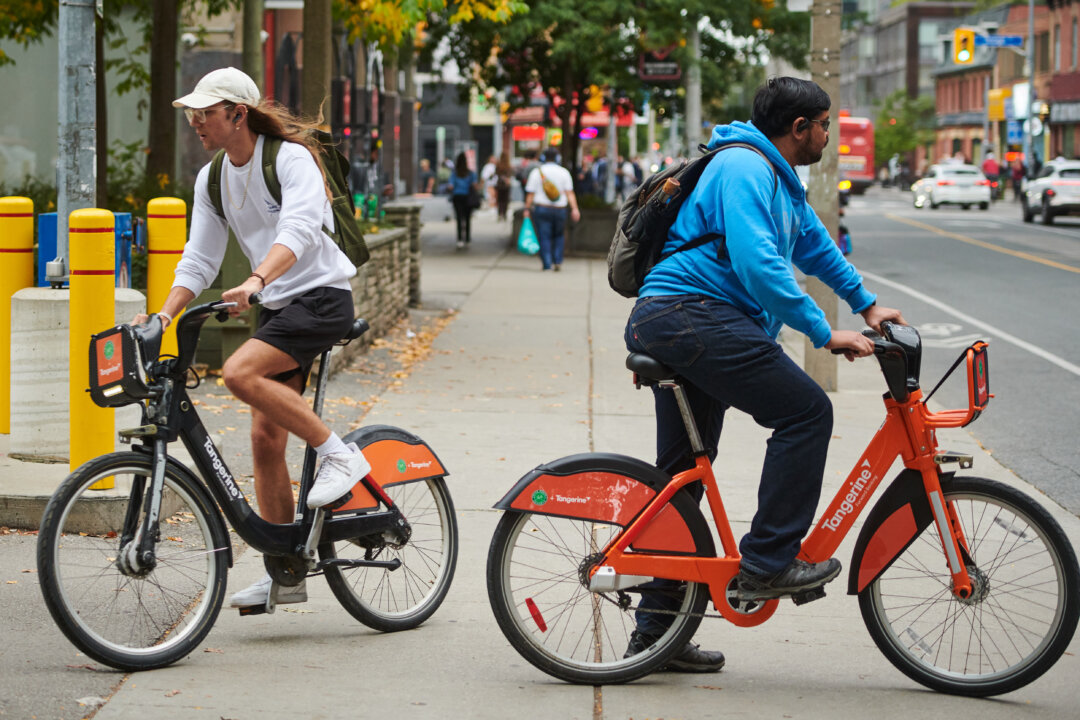
The Alberta government has introduced legislation that would give the province the power to order the removal of municipal bike lanes that impede traffic flow, as part of broader changes to road safety rules.
Bill 43, known as the Safe and Sensible Roads Act, 2026, proposes clearer rules for municipal bike lanes and stricter provincial safety standards for e-scooters, Segways, and other personal micromobility devices. The bill, introduced on Nov. 19, would also increase fines for serious commercial trucking violations and improve collaboration on municipal light rail transit projects.
The bill would amend the Traffic Safety Act and Urban Rail Transit Act. The government said it expects the changes to “improve safety, keep traffic moving, and ensure major transportation investments deliver value for taxpayers.”
The province said the Traffic Safety Act was last comprehensively reviewed in 2004, when Alberta had about 3.2 million residents, compared with 5.1 million as of July 2026. The number of licensed drivers has since risen by 60 percent to more than 3.7 million, while registered vehicles have increased by 65 percent to 3.9 million.
Better Bike Lanes
The government said it will work with municipalities to ensure bike lanes fit within the transportation network. The changes would establish rules for bike lanes that reduce road capacity and allow the province to order their removal.
The government said the changes would ensure municipalities consider how bike lanes affect traffic flow, commuters, emergency services, and the movement of goods.
“The province looks forward to working with municipal partners to build safe, well-connected transportation networks that serve local communities while keeping Alberta moving,” the government said.
During a news conference, Transportation Minister Devin Dreeshen said the province would request traffic impact assessments from Edmonton and Calgary to determine which bike lanes have reduced road capacity, affected parking, increased congestion, or interfered with emergency vehicles.
He said the government would also examine how bike lanes affect neighbouring roads before deciding whether they should be removed. The minister emphasized that the province would work with municipalities and make decisions based on traffic data.
Dreeshen said removing bike lanes during scheduled road resurfacing or reconstruction would be the least expensive approach, although the province could order their removal at other times.
Dreeshen confirmed that municipalities would be responsible for removal costs. He said the province had no dedicated bike lane budget but would continue supporting cycling infrastructure on certain transportation projects.
The minister also cited a provincial survey in which 14,000 Albertans provided feedback on bike lanes. He identified several Edmonton streets where respondents had raised concerns, including Hermitage Road, Victoria Park Road, 141st Street, 132nd Street, 103rd Street, and 96th Street.
However, Dreeshen said the streets were not on a list of bike lanes scheduled for removal and that the government had not yet determined how many would be affected.
The proposed legislation has drawn criticism from the mayors of Edmonton and Calgary, as well as the Opposition NDP, who say the provincial government is overstepping its authority by interfering in municipal decisions.
“Residents and their elected councils should make municipal decisions, not Danielle Smith and her rural ministers,” NDP MLA and transportation critic Lorne Dach said in a statement.
Ontario’s Experience
Ontario has faced legal challenges from biking advocacy groups over its efforts to remove bike lanes from major Toronto streets. A court ruled in July that the order would violate cyclists’ Charter rights.
The Ontario Court of Appeal overturned that decision in August. The three-judge panel unanimously ruled that the Charter does not guarantee a right to bike lanes and that decisions about their installation or removal belong to elected governments, not the courts. The ruling cleared the way for Ontario to remove bike lanes from portions of Yonge Street, Bloor Street, and University Avenue.





French Left-Wing Protests Shrink but Violence Persists
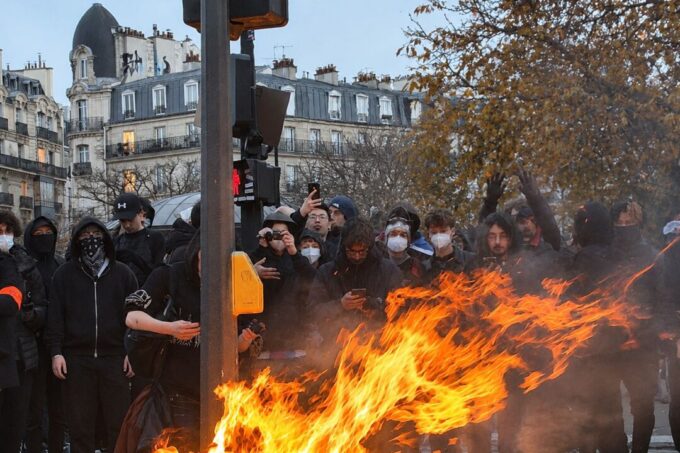
PARIS—Turnout at France’s now-weekly far-left protests fell again on Nov. 21, although...
Day in Photos: Heavy Rains Flood Galapagos, Brazil Storm Damage, and Protest in Croatia
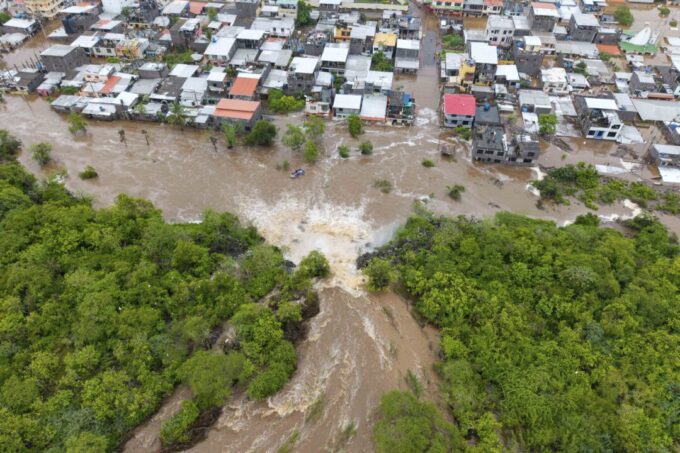
|November 21, 2026Updated:November 21, 2026A man sits with two dogs outside a...

Doctors Implicated in Organ Harvesting Lead Transplant Programs in China: Report
Chinese doctors who authored papers on organ harvesting from people before their...

RFK Jr. Calls Killing Prisoners for Organs an Atrocity as China Bill Awaits House Action
Health and Human Services Secretary Robert F. Kennedy Jr. has condemned the...