Budget 2026: How the Caregiver Credit Could Pay Up to $1,260
 Sophia SunUpdated 2 hours Ago5 Mins read
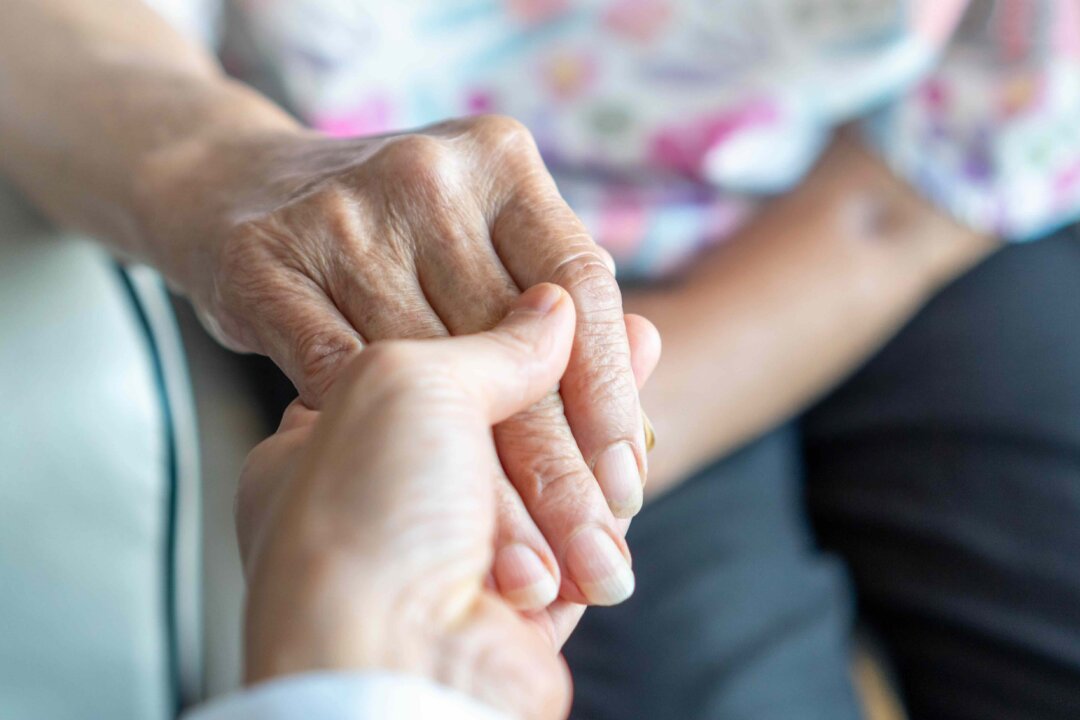
Canadians who earn too little to pay federal income tax may soon be able to receive up to $1,260 a year through the Canada caregiver credit if they support a relative with a physical or mental impairment.
Under a proposal in Budget 2026, the credit would become refundable starting with the 2027 tax year. That means you could receive a payment even if you have no federal income tax to offset.
The budget estimates about 585,000 caregivers would benefit, including some 180,000 who get nothing from the credit today. It could particularly help those who have cut back at work to provide care.
The rules for who qualifies and the dependant’s income limits would stay the same. You’d claim the 2027 credit on the tax return you file in the spring of 2028. But this is still a budget proposal, and Parliament needs to pass it first.
How the Credit Works Today
The credit is claimed on your tax return when a relative depends on you because of a physical or mental impairment. It’s not a payment for hours of care, and it doesn’t reimburse what you spend. Instead, it reduces the federal income tax you owe.
The maximum caregiver amount for a parent or other adult relative is $8,773 for 2026. You multiply it by the lowest federal tax rate, 14 percent, which gives a credit worth up to $1,228.
Under current rules, the credit is non-refundable. It can cut your federal tax to zero, but not below. If your federal tax for the year is $2,000, you get the full $1,228. If it’s $600, you get $600. If it’s zero, you get nothing.
That’s not the same as owing money in April. If your employer withheld tax from your paycheque, the credit can still show up as a bigger refund because it lowers the tax you were charged for the year.
What Budget 2026 Changes
Starting with the 2027 tax year, the credit would become refundable. The way the credit is calculated and the rules for who qualifies would stay the same.
For 2027, the budget sets the adult-dependant amount at $9,001, worth up to $1,260. That works out to about $105 a month, although it would come once a year through your tax return. A caregiver with no tax to pay could receive that as a refund. Someone who already uses the full credit wouldn’t get it twice.
Different, smaller amounts apply if you’re caring for an impaired spouse or a child under 18. For 2027, the budget sets that amount at $2,812, worth about $394.
There’s no test of the caregiver’s own income. The only income that matters in calculating the amount is the dependant’s, and that part is unchanged.
You‘d claim the 2027 credit on the tax return you file in the spring of 2028. But you’ll need a year of records to back that claim up, so it’s worth preparing before the tax year begins.

Who Qualifies
Three requirements apply: your relationship to the dependant, the dependant’s impairment, and the support you provide.
Firstly, the dependant has to be your spouse or common-law partner, or your or your partner’s child, grandchild, parent, grandparent, brother, sister, aunt, uncle, niece, or nephew. In-laws count through your spouse or partner. Friends and neighbours don’t qualify, regardless of how much help you provide.
Parents, grandparents, siblings, aunts, uncles, nieces, and nephews must have lived in Canada at some point in the year.
Secondly, the person has to depend on you because of a physical or mental impairment, not simply because of age. Dementia, Parkinson’s disease or a serious stroke may qualify, depending on the circumstances. A temporary illness or injury, such as a hip fracture that heals within a few months, doesn’t qualify.
The Canada Revenue Agency (CRA) can ask for a signed statement from a medical practitioner stating when the impairment started and how long it’s expected to last.
If your relative already has an approved disability tax credit certificate (Form T2201), the CRA generally will not need a separate medical statement for this credit.
Thirdly, the relative must regularly and consistently rely on you for basic necessities such as food, shelter, and clothing. A weekly visit and a phone call are not enough on their own.
Your relative does not have to live with you. A parent in their own apartment or a long-term care home can still qualify.
Income Limits
The amount you can claim depends on your dependant’s net income, not your own.
For 2027, the maximum adult-dependant amount of $9,001 would begin declining dollar for dollar once the dependant’s net income exceeds $21,136. It would be eliminated at $30,137.
The calculation uses the dependant’s net income on line 23600 of their tax return, before expenses are paid. Old Age Security, Canada Pension Plan benefits, workplace pensions and the Guaranteed Income Supplement (GIS) all count.
GIS is not taxable, but it is deducted later on the return, after net income has been calculated.
For example, suppose your parent’s net income from OAS, CPP and a small pension is $25,000 in 2027. That is $3,864 above the threshold, so your caregiver amount falls from $9,001 to $5,137.
At 14 percent, that’s about $719, which would reduce your federal tax or, if you have no tax to pay, come to you as a refund. If your parent’s income were below $21,136, you could receive the full $1,260, provided you meet the other eligibility requirements.
Claiming the Credit
You will need records showing the support you provide. These could include care-home payments from your own bank account, clothing receipts and your relative’s medical records.
If you and your siblings all support a parent, you can divide the claim. The combined amount cannot exceed the maximum.
However, no one can claim the caregiver amount for a parent on line 30450 if someone is already claiming that parent on line 30400 (the eligible dependant amount).
The caregiver amount can be claimed together with the disability amount transferred from a dependant. If your parent or another relative has an approved disability tax credit certificate and doesn’t have enough income to use the full disability amount, the unused part can be transferred to you.
There is one exception: if anyone claims full-time nursing home fees for that person as a medical expense, no one can claim the disability amount for them.
Even if you don’t earn enough to pay federal income tax, you will need to file a return to receive the proposed refundable credit.
Get Ready in 2027
-
Check your parent’s net income. Line 23600 of their latest notice of assessment provides a starting estimate for 2027.
-
Confirm the medical documentation. Check whether a T2201 is already approved. If not, obtain a signed statement from a medical practitioner where required.
-
Keep records of payments. Pay from your own account and retain receipts for the necessities you provide throughout the year.
-
Coordinate with your siblings. Agree on who will claim the credit, and how much, before filing.
-
File a tax return. Even with little or no income, file your 2027 return in 2028 to receive the refundable credit if the proposal becomes law.
If you qualified in past years and had tax to reduce, you can ask the CRA to adjust earlier returns through My Account, ReFILE, or Form T1-ADJ.
Refunds are generally limited to the past 10 calendar years. Those years still follow the old rules, so a refund is available only if you had tax to reduce.
Ontario has its own caregiver credit on the provincial return. It remains non-refundable, and nothing in the federal budget changes that.
The views and opinions expressed are those of the authors. They are meant for general informational purposes only and should not be construed or interpreted as a recommendation or solicitation. The Epoch Times does not provide investment, tax, legal, financial planning, estate planning, or any other personal finance advice. The Epoch Times holds no liability for the accuracy or timeliness of the information provided.







Rinehart Opens 3rd Brisbane Veterans’ Complex Honouring Chinese-Australian Sniper
BRISBANE, Australia—Australia’s wealthiest person Gina Rinehart has officially opened another veterans’ housing...

Senior Roles Rise to 76 Percent of PM’s Office as Crossbench Staff Numbers Fall
A think tank has called for the prime minister’s power to allocate...

More Remains Recovered in Search for 34 Workers Missing After Indonesian Candy Factory Fire
JAKARTA, Indonesia—Rescue teams searching for 34 missing workers after a fire swept...

All 146 Air Niugini Plane Passengers and Crew Safe After Emergency Landing in Philippines
Passengers and rescuers gather beside an Air Niugini plane after it made...