Over 1,000 Papua New Guineans Apply to Join Australian Military in 1st Week
 Jerry ZhuUpdated 9 hours Ago2 Mins read
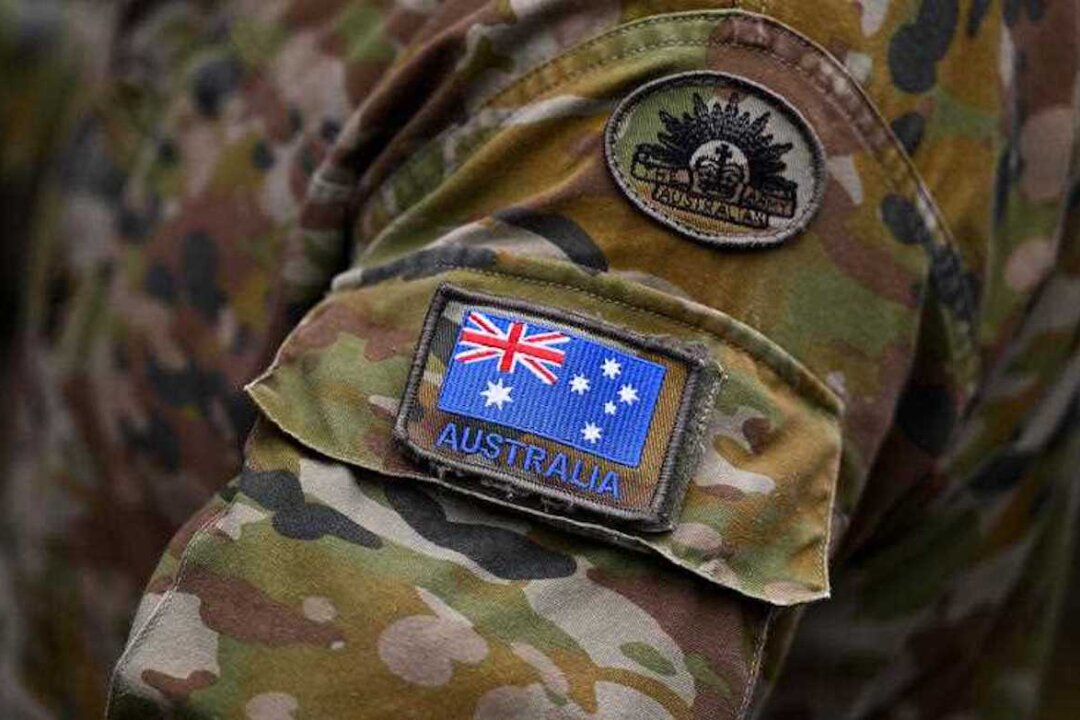

Detail of an Australian flag pictured on the uniform of Australian Army personnel on assignment to the Gold Coast, Tuesday, January 9, 2024. AAP Image/Dave Hunt
More than 1,000 Papua New Guineans have applied to join the Australian Defence Force (ADF) just a week after recruitment was open.
Australia’s Defence Minister Richard Marles revealed the figures during Question Time on Nov. 24, following a meeting with his Papua New Guinean counterpart.
“Yesterday I met with my counterpart, Elias Kapavore, the defence minister of our new ally, Papua New Guinea,” Marles told Parliament.
“And in just the last few days we have opened recruitment for Papua New Guineans directly into the ADF. And already we’ve had more than a thousand eligible applications.”

Australia’s Defence Minister Richard Marles speaks at the National Press Club in Canberra, Australia on April 16, 2026. David Gray/AFP via Getty Images
The recruitment drive marks a significant expansion of Australia’s military recruitment policy, with PNG becoming the first country outside the Five Eyes intelligence-sharing alliance to be included in the expanded eligibility arrangements.
Australia initially opened recruitment to eligible New Zealand permanent residents in July 2024, before extending eligibility to citizens of the United States, United Kingdom, and Canada in January 2025.
Eligible PNG citizens residing permanently in Australia were granted the same opportunity from January 2026.
Thousands of Recruits Envisioned
While direct recruitment from PNG opened on Nov. 16, the initial pilot program will accommodate around 100 recruits across two cohorts in 2027 and 2028.
Successful applicants will undertake a 16-week pre-enlistment training program in PNG before joining the ADF, with the first cohort expected to commence training in May 2027.
Those entering the ADF will initially receive temporary visas before obtaining Australian citizenship while retaining their PNG citizenship.
“They will be dual citizens,” Marles said at the Australia-Papua New Guinea Ministerial Forum on Oct. 21.
“These recruits will be the embodiment of the alliance between Australia and PNG,” he added, saying this was a “really significant step forward.”
The program forms part of the Pukpuk Treaty, a mutual defence agreement signed on Oct. 6, 2025, that formally entered into force on July 8 this year. The Treaty elevates the defence relationship between both countries, meaning if either country comes under attack, they must assist one another.
Speaking at the same forum, PNG Deputy Prime Minister John Rosso highlighted the benefits of the recruitment program for his own country—benefits to skills, training, and interoperability.
“Australia will always be there, Papua New Guinea will always be there, working hand‑in‑hand,” Rosso said.
The treaty represents Australia’s first new military alliance in more than 70 years and PNG’s first with any country.
PNG Prime Minister James Marape has previously outlined ambitions for up to 10,000 Papua New Guineans to train and serve in the ADF.
While Australia has not committed to that specific figure, Marles has expressed ambitions to recruit thousands of Papua New Guineans beyond the initial pilot program.





EU Proposes New Sanctions Against Russia Including Sports, Visa Bans for Former Combatants
The European Commission is proposing new sanctions against Russia, including a visa...

Falling Canadian Dollar on Longest Daily Losing Streak Since 2016
Canadian dollar coins are displayed in Montreal, on Jan. 30, 2015. The...

Ontario Court Extends Claims Deadline in DNA Class-Action Lawsuit
People who voluntarily gave DNA samples to police in Ontario over 22...

Singer Offers Tearful Apology for O Canada Flub at Leafs-Islanders Game in New York
Sarrah Strimel-Bentley attends 'The Pink Agenda' gala at Tribeca Rooftop in New...