Anthony Furey: Toronto Investment Summit: Now Comes the Hard Part
 Anthony FureyUpdated 4 days Ago3 Mins read
Commentary
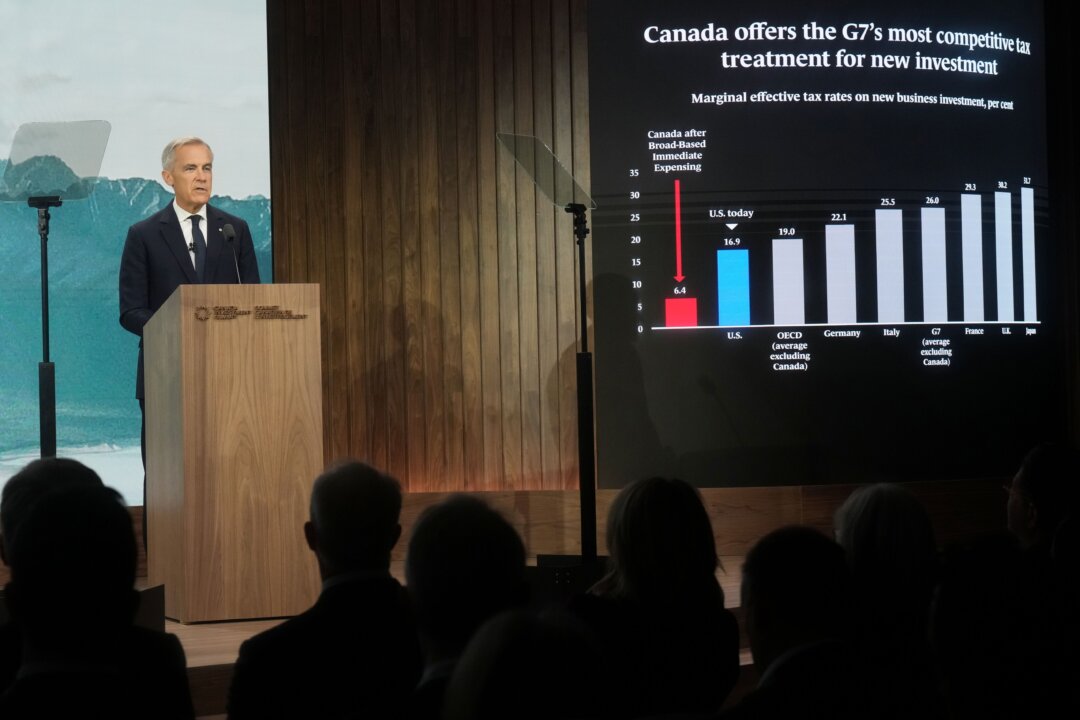
What were the meaningful wins that came out of Prime Minister Mark Carney’s Canada Investment Summit? And what benefit do these bring for the average Canadian? These are reasonable questions for Canadians to ask, having watched the fanfare of this summit from afar.
The summit was one of the hottest tickets Toronto has seen in years. A lot of prominent business people and other notables wanted access to the summit and couldn’t get it. The meetings and parties were behind both figurative and literal velvet ropes.
This at first glance appears to be a bit of a disconnect—to publicize so widely that you’re throwing a party but then let it be known that so few people are invited.
Then again, the whole stated point of the event was to bring in high-level and deep-pocketed investors who haven’t been paying that much attention to Canada. It was a curated guest list for a reason.
As the Prime Minister’s Office explained it, the Summit was a “first-of-its-kind gathering in Canada, bringing together leading global investors, Canadian CEOs, and public sector representatives for a two-day event focused on accelerating new investment into Canada.”
It’s a little like holding an open house when your home is listed for sale. Your goal is not to get the neighbours to come over to snoop around, it’s to draw in new people who are genuinely interested in buying.
A large part of the pitch was also just to show that Canada is now open to investment. This is an attempt to change the perception generated over the past decade that our federal policies weren’t that inviting to investment.
Simply putting this message out there and inviting people to attend goes a long way. So does changing investment policies on the eve of the summit, which Carney also did.
The biggest such change was the Productivity Mega Deduction. The word “mega” sounds a bit over the top, but it’s accurate for what it does.
It used to be that capital investment costs—like building a new facility—could be written off as expenses gradually over the years. Now, companies can fully write off 100 percent of their expenses that year. This incentivizes companies to invest a lot, quickly.
As the PMO put it, “the Summit serves as a premier platform to showcase Canada as a compelling investment destination and a trusted convener of global capital.”
In this regard, Carney succeeded. The private equity and Wall Street titans who attended included Larry Fink, who runs BlackRock, the largest asset manager in the world; Jon Gray, president of Blackstone; and Warren Buffett’s Berkshire Hathaway. Representatives from the largest sovereign wealth funds also came, including those of Singapore, Norway, and Saudi Arabia.
Together, the attendees were reported to have represented over $100 trillion in assets. Some of those assets will be investable, meaning potentially available to bring into Canada.
What projects will be financed is the question, though. These investors are by definition not builders. They are looking to invest in projects that others are building and generate a good return. For them to support an investable project means that there needs to be big projects that can absorb billions in investment.
This is perhaps why the first projects to hit the headlines were the privatization of Canada’s airports. While the land and ownership of the airports will remain public, the objective is to give long-term operating leases to private investors.
Airports are large operations that offer a certain guaranteed volume of customer and a relative monopoly for their region. It’s no wonder they’d be attractive to major investors.
This isn’t the sort of announcement most people had in mind, though. The airports are public assets that have already been paid for by tax dollars. The real indicators of success will be brand new projects that are financed by outside investors and bring fresh economic gain to Canada.
A TD Economics report prepared in advance of the summit explains how $1 trillion worth of already announced projects across the country could trigger a “Canadian investment supercycle.” This is where more investment is spurred by earlier investment.
“The big prize for Canadians from a prolonged period of higher investment would be a jump in living standards after a decade of stagnation,” notes the report. “This equates to an extra $12,000 in real output per capita in a high investment scenario, double the growth in our baseline view.”
There is reason to be optimistic, both for business and for the regular Canadian. There is growth to be had and economic gains to be shared by all. The question is whether reality will rise to meet our ambitions.
Here’s what the Toronto Region Board of Trade wrote in a release following the close of the summit: “We’re calling on [government] to build a coordinated pipeline of investable projects, create a clear front door for investors, continue the work on tax and regulatory reform, and make the Summit a recurring accountability mechanism.”
There’s a sense now among business groups that they are in a window of opportunity and want to seize it. One reason Prime Minister Carney remains popular with voters is that he is perceived as the man to deliver on this level of economic success. Now that the summit is behind us, observers will be keeping a keen eye on how the PM delivers.
Views expressed in this article are opinions of the author and do not necessarily reflect the views of The Epoch Times.







Mother describes chaos and determination inside Belleville synagogue; suspect reportedly blamed Jews for COVID; and more
Sharlene Weitzman, right, and Jennifer Aronson, were among the roughly two dozen...

‘Broke all of our hearts’: Families give testimony at Kenneth Law sentencing
Article contentThe loved ones of Maurizio Vadala, who dies aged 36 in...

’You’re not killing him’: Jewish mother tells how she shielded son during Belleville synagogue shooting
Article contentAs people began to make their way inside the sanctuary for...
Michael Higgins: ICJ risks destroying credibility if it redefines genocide
This general view shows the logo of the International Court of Justice...