Canada to Make Financial Commitments to EU Only for Programs It Joins, Officials Say
 Paul Rowan BrianUpdated 1 hour Ago2 Mins read
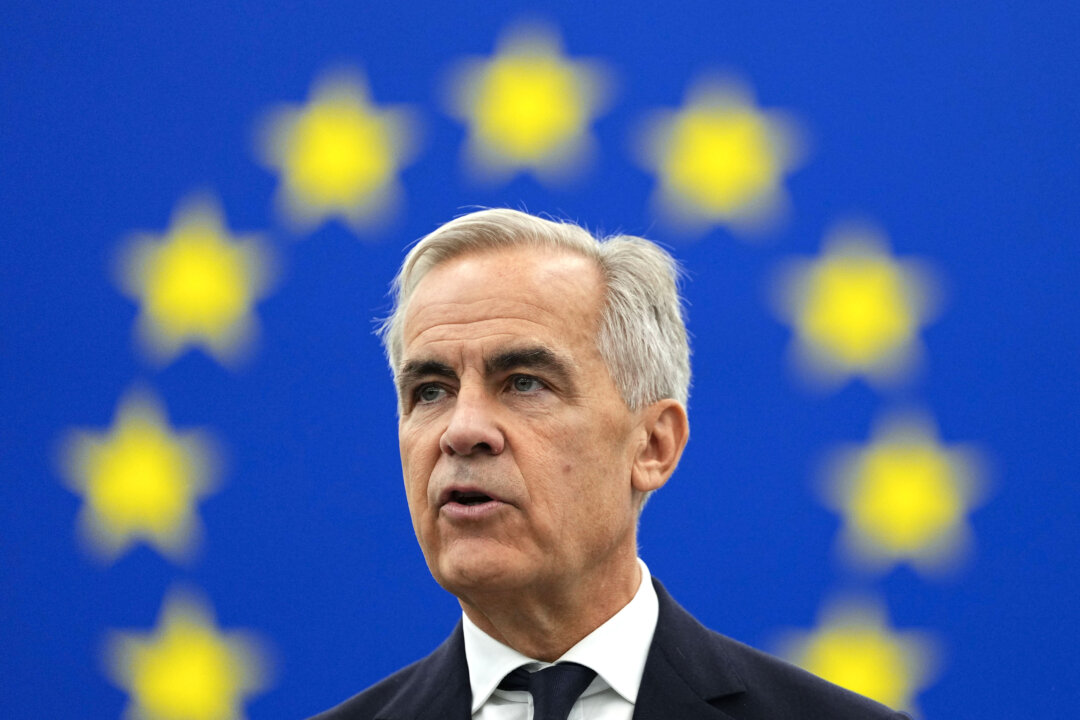

Prime Minister Mark Carney addresses the European Parliament in Strasbourg, France, on Sept. 17, 2026. The Canadian Press/Justin Tang
Ottawa will only be obligated to financially contribute for specific European Union programs it decides to join as part of an expanded partnership with the EU, according toCanadian officials who briefed media on Oct. 28.
The comments come ahead of the Canada-EU Summit to be held Oct. 29–30 in Montreal, where the two sides are expected to announce an “Alliance for the Future” and advance discussions on closer ties on energy, business, defence, technology, critical minerals, and other shared interests.
Prime Minister Mark Carney has advocated for closer ties with the EU as he seeks to diversify non-U.S. trade, building on a previously reestablished strategic partnership signed in June 2025.
In August, Carney said Canada plans to pursue a “unique alliance” with the EU that will be mutually economically beneficial and advance the interests of Brussels and Ottawa.
European Commission President Ursula von der Leyen called for making Canada an “associate member” of the EU in a Sept. 16 address to the European Parliament attended by Carney, who has preferred the term “alliance for the future” and said that the substance of the Canada–EU agreement will matter more than its name. Some EU members including Germany have opposed the use of the term, saying it’s reserved for European countries such as Ukraine who could one day have full EU membership.
In terms of specific EU programs Canada may partake in as part of the deepened relationship, Carney has previously said he’s interested in Canada joining the EU’s Erasmus+ student exchange program. However, officials said it is not yet clear specifically what EU programs Canada will choose to participate in.
The Erasmus+ program has a budget of approximately $41 billion for its 2021 to 2027 funding cycle.
Canada-EU Summit
The upcoming Canada–EU summit starts with a welcoming ceremony Oct. 29, after which Carney is scheduled to host a dinner for European and Canadian business officials as well as top elected officials.
Foreign Affairs Minister Anita Anand, Finance Minister François-Philippe Champagne, and Industry Minister Mélanie Joly are expected to attend, in addition to a number of other cabinet members.
Provincial premiers have also been invited to attend, although Quebec’s new Premier Paul St-Pierre Plamondon said he will not be attending as he has not been invited to speak at the formal summit itself.
European officials say the Montreal summit will move forward conversations on further deepening ties that can then be finalized at a future Canada–EU summit expected to be held in 2027.
Canadian officials have not specified the potential timeline for reaching a more formal and finalized deal with the EU, or when Canada might make formal commitments about which EU programs it wishes to join.
Carney has said that any formal agreement with the EU will be brought before Parliament for debate and a vote.
Conservative Leader Pierre Poilievre has said that any potential agreement with the EU shouldn’t infringe on Canadian sovereignty, saying Canada shouldn’t become subject to any potential application of EU immigration policies, tax laws, and regulations that could negatively impact Canadian workers and business.
The Canadian Press contributed to this report.



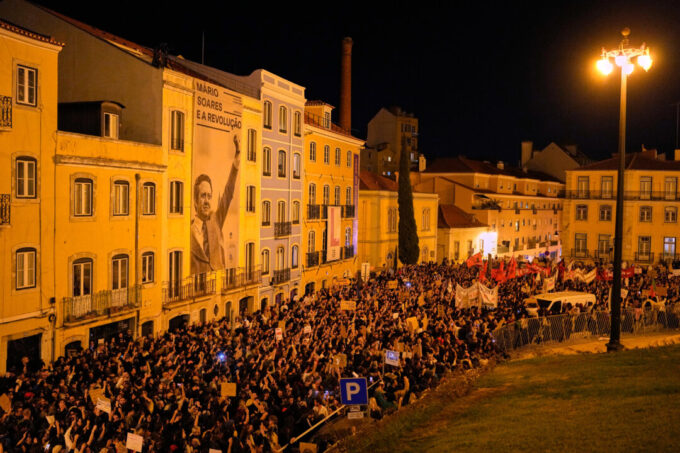
Thousands Protest Outside Portugal’s Parliament Over Housing Situation
Thousands of protesters gathered outside Portugal’s Parliament in Lisbon on Oct. 27...
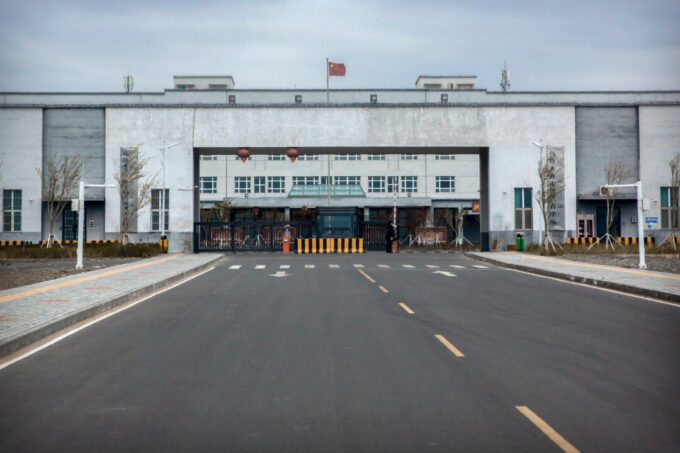
US Blocks Imports From 3 Chinese Genetics Companies Over Forced Labor Concerns
The United States on Oct. 28 moved to block imports from three...
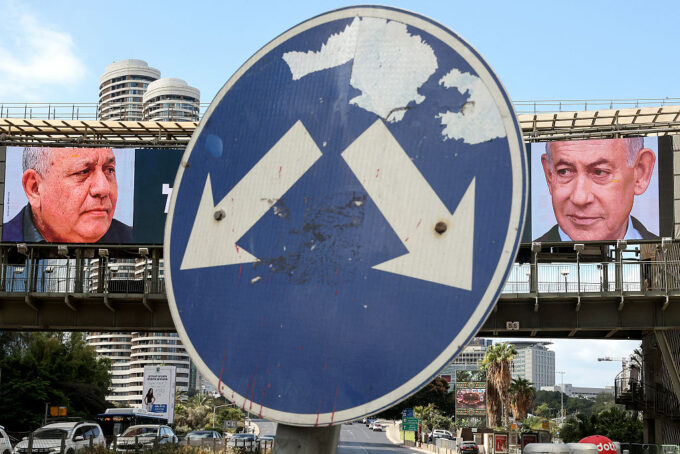
Netanyahu Alleges Arab Political Parties Defrauded Israeli Election
Israeli Prime Minister Benjamin Netanyahu accused Arab political parties of committing fraud...
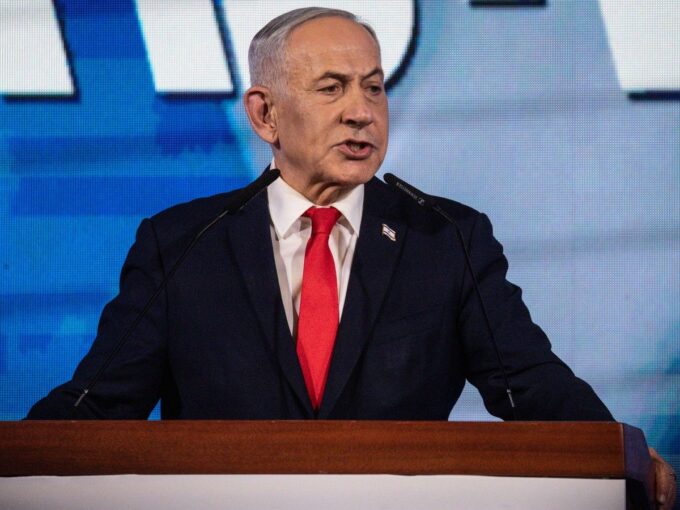
Netanyahu ‘defiant’ after inconclusive Israeli election; Carney, Quebec premier clash over EU summit; and more
Israeli Prime Minister and Likud party leader Benjamin Netanyahu speaks to supporters...