Carney’s electoral Trump card is falling flat in B.C., Quebec elections
 Simon TuckUpdated 11 hours Ago3 Mins read

Article content
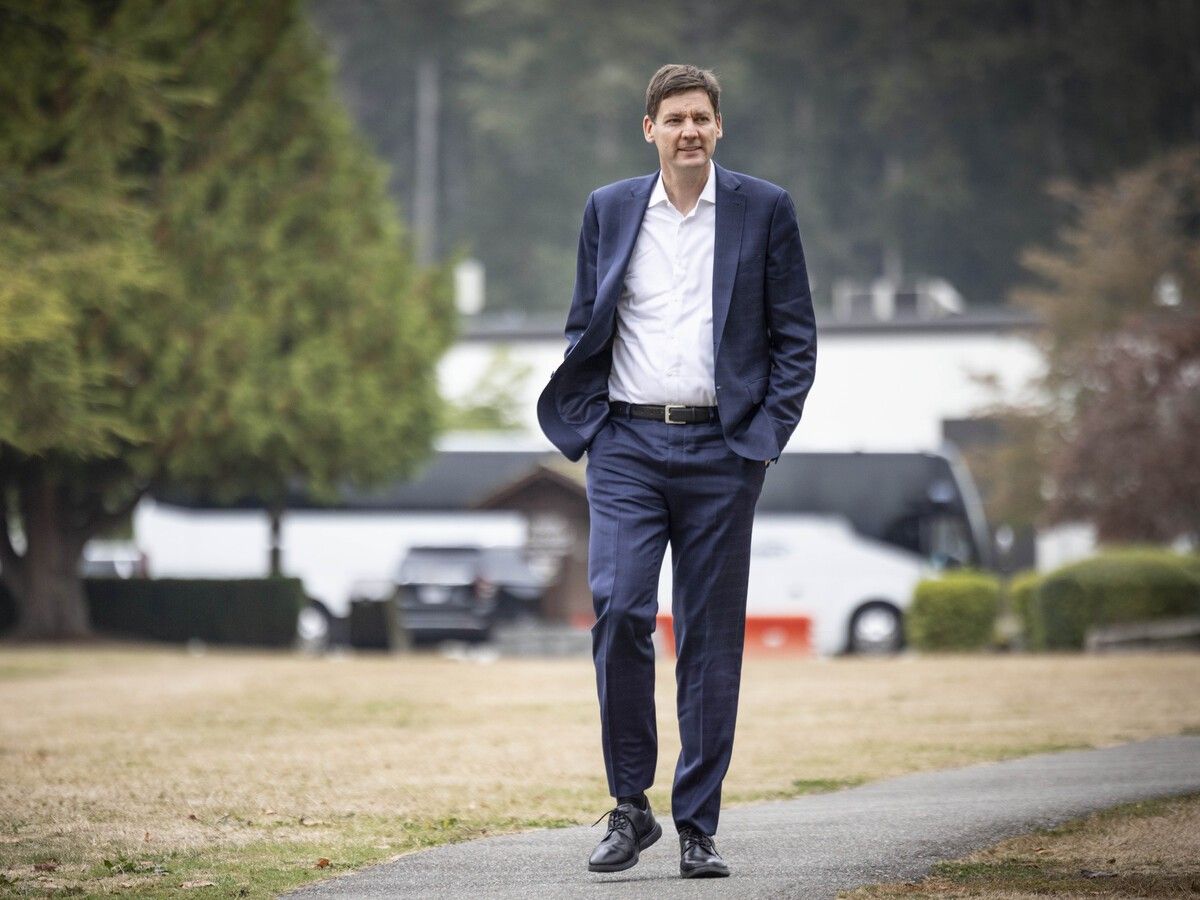
OTTAWA — When British Columbia Premier David Eby took the risky step last week of calling an election with almost exactly half of his mandate left, he didn’t seem too clear why he was doing so.

THIS CONTENT IS RESERVED FOR SUBSCRIBERS
Enjoy the latest local, national and international news.
- Exclusive articles by Conrad Black, Barbara Kay and others. Plus, special edition NP Platformed and First Reading newsletters and virtual events.
- Unlimited online access to National Post.
- National Post ePaper, an electronic replica of the print edition to view on any device, share and comment on.
- Daily puzzles including the New York Times Crossword.
- Support local journalism.
SUBSCRIBE FOR MORE ARTICLES
Enjoy the latest local, national and international news.
- Exclusive articles by Conrad Black, Barbara Kay and others. Plus, special edition NP Platformed and First Reading newsletters and virtual events.
- Unlimited online access to National Post.
- National Post ePaper, an electronic replica of the print edition to view on any device, share and comment on.
- Daily puzzles including the New York Times Crossword.
- Support local journalism.
REGISTER / SIGN IN TO UNLOCK MORE ARTICLES
Create an account or sign in to continue with your reading experience.
- Access articles from across Canada with one account.
- Share your thoughts and join the conversation in the comments.
- Enjoy additional articles per month.
- Get email updates from your favourite authors.
THIS ARTICLE IS FREE TO READ REGISTER TO UNLOCK.
Create an account or sign in to continue with your reading experience.
- Access articles from across Canada with one account
- Share your thoughts and join the conversation in the comments
- Enjoy additional articles per month
- Get email updates from your favourite authors
Sign In or Create an Account
or
Article content
But there was no doubt who he wanted to run against.
Article content
Article content
With the opposition conservatives in disarray, Eby never mentioned the new interim B.C. Conservative leader in his Sept. 22 campaign-opening speech. But he referenced U.S. President Donald Trump at least 20 times, saying it was an “existential moment” and that the New Democratic government would erect a “firebreak” against the American threat.
Article content
Article content
Less than a month earlier, Québec Premier Christine Fréchette opened her campaign by making it clear that she wanted Trump on the ballot too. Fréchette called the unpopular U.S. leader “her main opponent.”
Article content
Article content
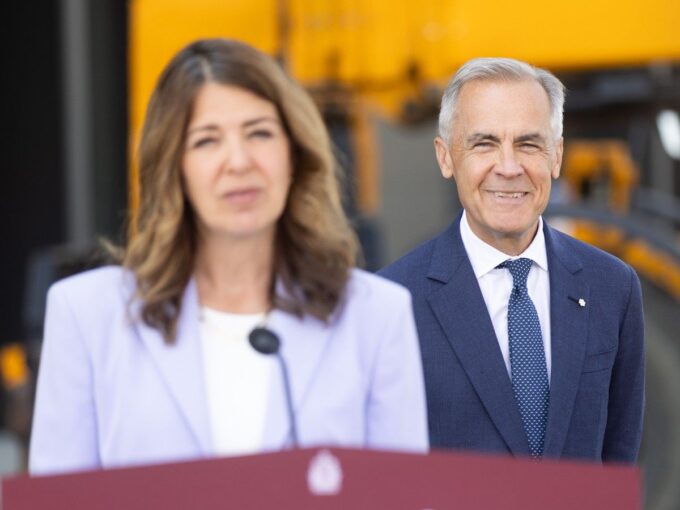
In both cases, the two premiers seemed to be following the path created by Prime Minister Mark Carney, who won big in the 2025 federal election because he presented himself as the best defender of Canadian interests against Trump’s threats to the country’s economy and sovereignty.
Article content
And in both provincial cases, the plan, at least so far, has failed.
Article content
“(Voters are) not looking for a rhetorical opposition to Trump,” said Stewart Prest, a political scientist at the University of British Columbia.
Article content
That viewed is backed up by the polls. Both Eby and Fréchette’s numbers have plunged and are now at risk of being tossed out of office.
Article content
So what happened to playing the Trump card? Has that move lost its potency for incumbents in Canadian politics?
Article content
Or is there something unique to Carney — or his job as prime minister — that makes it work?
Article content
Analysts say voters seem to have made a distinction in this case that international trade and dealing with Washington are not the provinces’ jobs, so they’re not buying the effort to play the Trump card.
Article content
Article content
In Eby’s case, they say it was a gross miscalculation to call the election early and to emphasize the province’s need to stand up to Trump, instead of waiting to hold the vote and then focusing on more traditional provincial matters such as health care, education and B.C.’s economic development. The province’s large deficit under Eby is expected to be an election issue at either time, analysts say.
Article content
Article content
Prest said Eby’s effort to link the election call to Trump might have worked if the Conservatives hadn’t switched leaders just a couple of days earlier.
Article content
The previous leader, Kerry-Lynne Findlay, resigned Sept. 20 following a caucus revolt and other internal strife. The former federal MP was seen as more sympathetic to Trump’s MAGA movement and therefore, more vulnerable to the NDP charge that she wouldn’t defend B.C.’s interests against him.
Article content
The party’s new interim leader is Lorne Doerkson, a more moderate figure who is also more critical of Trump. He will lead the party into the Oct. 24 election.
Article content
Sanjay Jeram, a political scientist at Simon Fraser University in Vancouver, said voters aren’t usually very good at distinguishing between the responsibilities of the different levels of government, but seemed to have sussed out almost immediately this time that the New Democrats’ election call and efforts to play the Trump card were “disingenuous.”




Hyperliquid Policy Center, Circle press EU on perps and stablecoin reserves in MiCA review
Hyperliquid's policy group wants perps under MiFID II, while Circle targets MiCA's...

Ethereum staking reward burn proposal EIP-8363 pulled from Hegota upgrade
Co-author Jérôme de Tychey said industry participants and core contributors convinced him...

Evernorth shareholders approve $1 billion XRP treasury deal, clearing path to Nasdaq debut
Armada Acquisition Corp. II shareholders approved the Evernorth merger. The XRP treasury...

NEAR Intents halts services after $3.8 million exploit, promises full compensation
NEAR Intents patched the contract flaw, but deposits and withdrawals on 11...