This story was originally published by Inside Climate News and appears here as part of the Climate Desk collaboration
The United Nations General Assembly in New York featured pleas for urgent action on climate change, with heads of state and Secretary-General António Guterres warning that the window for action is narrowing.
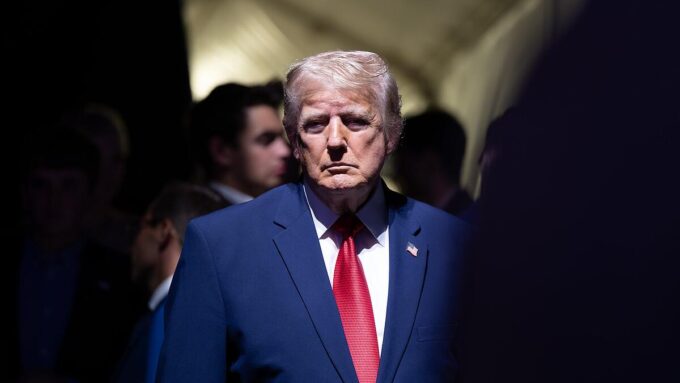
Yet climate was a footnote amid the issues commanding public attention, including US President Donald Trump’s talk of annihilating Iran, the walkout that preceded Israeli Prime Minister Benjamin Netanyahu’s speech and growing concerns about the rapid rise of artificial intelligence.
This dynamic is familiar, with the UN trying to lead on climate change and build consensus among a fractious membership, even as wars and other crises complicate efforts to meet global goals.
Among the actions this week, the General Assembly adopted a declaration on sea-level rise, warning that “cumulative, severe and irreversible risks demand stronger international cooperation and urgent, coordinated action.”
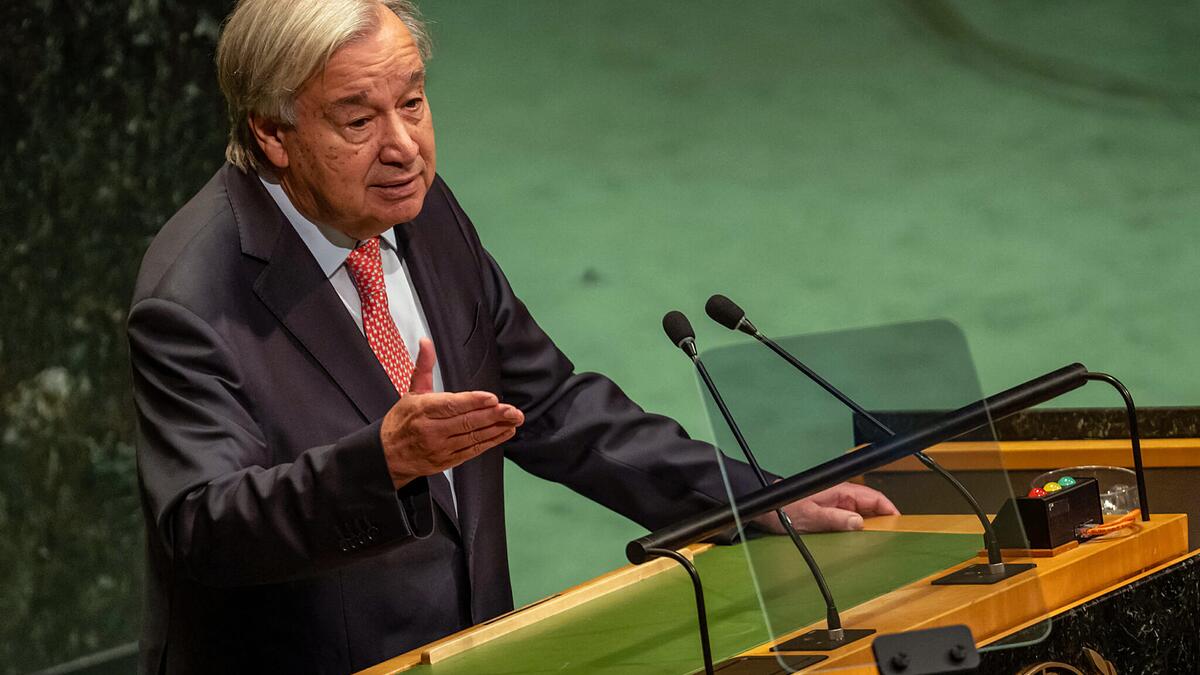
Guterres sought to tie several issues together during his address on Tuesday, his last major speech before his term concludes at the end of the year.
“Trust has frayed, and the climate crisis went from distant warning to daily reality, and artificial intelligence moved at a speed that has blindsided even those who created it,” he said. “These are not separate crises. They are chapters of the same story, the story of power.”
Guterres doesn’t yet have a successor. Seven candidates are running for the job and others may yet emerge, according to a recent report from Diana Roy of the Council on Foreign Relations. The next secretary-general may not make climate change a signature issue to the extent that Guterres has.
It is sobering that some of the most significant progress this year wasn’t because the United Nations took action, but because of the Iran war, said Gernot Wagner, an economist at Columbia Business School. The war has accelerated adoption of fossil-fuel alternatives in much of the world “to an extent that, frankly, no UN speech, no other policy [would have] been able to get us to,” Wagner said in an interview.
Fatih Birol, executive director of the International Energy Agency, said the Iran war has had a clarifying effect on the energy economy.
“Many, many years in the energy world, we had three choices in front of us,” he said at a climate-focused session. “Shall I choose the most secure energy option? Shall I choose the most economic energy option? Or shall I choose the cleanest energy option? We have to make choices, we have to make trade-offs but when we look at the world today, for the first time in years, all of these three objectives are getting aligned.”
Cooperating on sea-level rise
The declaration on sea-level rise seeks to strengthen international cooperation and support low-lying countries most at risk from rising seas.
The UN said that about 770 million people live in areas vulnerable to sea-level rise, with some island states at risk of being submerged.
“In 2024, the global sea level rose almost 6 millimeters, the highest annual increase ever recorded, and the pace is accelerating,” Guterres said, addressing a session on sea-level rise.
Much of the declaration calls for follow-up action, including increased financing to help countries mitigate and adapt.
The agreement also includes legal guidelines for what happens to a nation once part or all of it is underwater, recognizing “the continuity of statehood in the face of sea level rise, as well as sovereignty, sovereign rights and responsibilities, and membership of the United Nations of such States, consistent with international law.”
In other words, a country continues to exist even if it no longer has any land.
Africa demands a place at the table
Guterres highlighted Africa’s lack of a permanent seat on the UN Security Council, calling it “unjust and indefensible” that the continent isn’t better represented on the panel.
The comment touches on a theme expressed by several heads of state who described a global system that gives them little power but expects them to absorb harm caused by others.
Climate change is a prominent example.
“Climate change is the ultimate test of global equity,” said John Dramani Mahama, president of Ghana. “We in Africa contribute less than 4 per cent of global greenhouse gases, and yet we bear some of the heaviest burden of climate devastation.”
October 2nd 2026