
New Australian research suggests the routine use of expensive oral COVID-19 antivirals should be reassessed, concluding that clinical trials have failed to show a significant reduction in hospitalisation or death among vaccinated populations.
The findings, published in the journal Open Forum Infectious Diseases by researchers from UNSW and Monash University, arrive as the Pharmaceutical Benefits Advisory Committee (PBAC) prepares to review the drugs later this year amid high taxpayer costs.
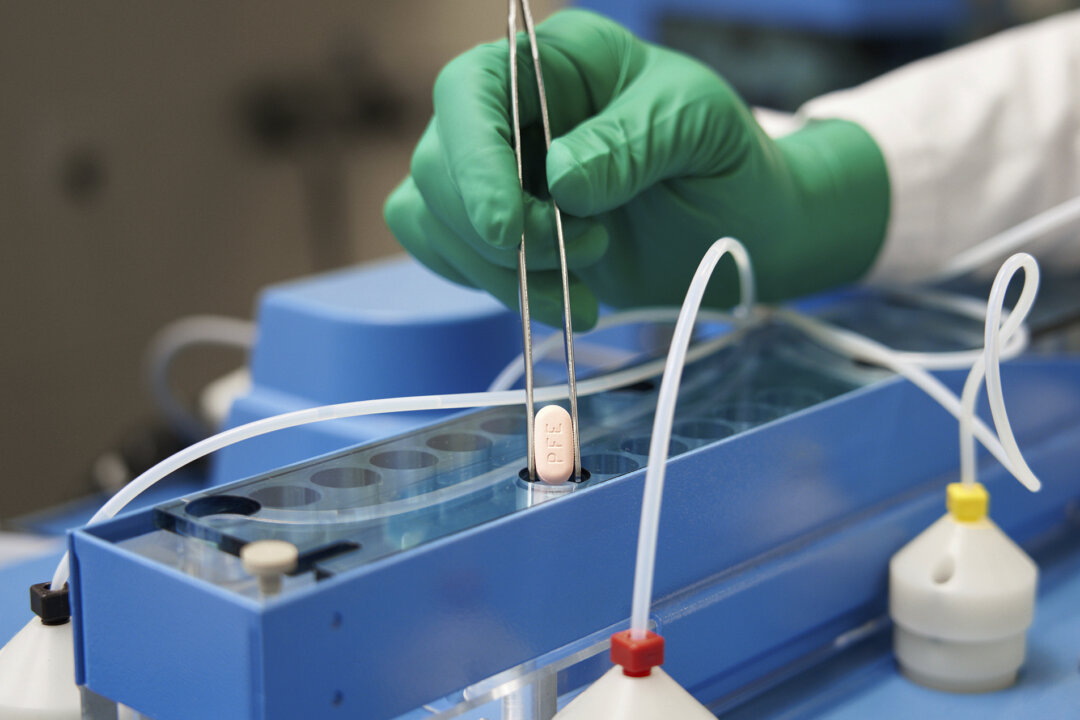
Since Pfizer’s Paxlovid (nirmatrelvir plus ritonavir) and Merck’s Lagevrio (molnupiravir) gained provisional approval from the Therapeutic Good Administration (TGA) on Jan. 20, 2022, more than 1.5 million Pharmaceutical Benefits Scheme (PBS) prescriptions have been issued.
By mid-2025, cumulative government costs had reached about $2 billion. At roughly $1,100 per course, both treatments are far more expensive than standard influenza medications like Tamiflu, which costs around $40.
The Trial Versus Real-World Gap
When the COVID-19 virus, SARS-CoV-2, first surfaced in late 2019, early clinical trials reported encouraging outcomes. Paxlovid demonstrated an 89 percent reduction in severe illness, and Lagevrio revealed a 30 percent decrease.
However, the UNSW and Monash review notes that the medical landscape has changed significantly.
With high population-level vaccination rates, widespread prior infections creating hybrid immunity, and milder circulating virus strains mean the original trial results no longer reflect the current risk profile.
The UNSW–Monash review examined eight randomised controlled trials—the gold standard for scientific studies—alongside 35 observational studies. The review concluded that among COVID-19 vaccinated populations, clinical trials have “not demonstrated a reduction in hospitalisation or death.”
“The
Lagevrio trial
reported no statistical difference in hospitalisation or death in people who did and didn’t receive treatment,” the authors noted. Subsequent trials published since their review have similarly failed to report reductions in severe outcomes.
Observational (real-world) studies painted a somewhat more positive picture for Paxlovid, associating it with a 40 percent reduction in hospitalisation and a 67 percent reduction in death.
However, these studies are considered weaker evidence than randomised trials. Lagevrio showed no significant reduction in hospitalisation and mixed results for averting death even in the observational data.
Shifting Policy and Subsidy Pressures
While COVID-19 has receded from its peak impact during the early pandemic years, it still carries a clinical toll. Australia recorded 186,000 COVID-19 cases in 2025, resulting in 2,227 deaths—surpassing the 1,784 deaths involving influenza that year. Three-quarters of those COVID-19 deaths occurred in people aged 80 and over.
Currently, antivirals remain heavily subsidised for anyone over 70, people over 50 with two or more risk factors, Indigenous Australians over 30 with one risk factor, and immunocompromised or previously hospitalised adults.
The study’s authors argue that as population risk and case severity continue to fall, Paxlovid’s real-world benefit is becoming very small. Given the lack of robust trial evidence for Lagevrio, they suggest its role in treating COVID-19 should be carefully reconsidered.
They also noted potential side effects, including nausea, vomiting, altered taste, rebound symptoms, severe drug-drug interactions with Paxlovid, and risks for patients with advanced liver or kidney disease.
With the PBAC scheduled to scrutinise the subsidies later this year, the authors conclude that their findings support a policy reassessment.