Finland Joins French Nuclear Deterrence Program
 Victoria FriedmanUpdated 2 hours Ago2 Mins read
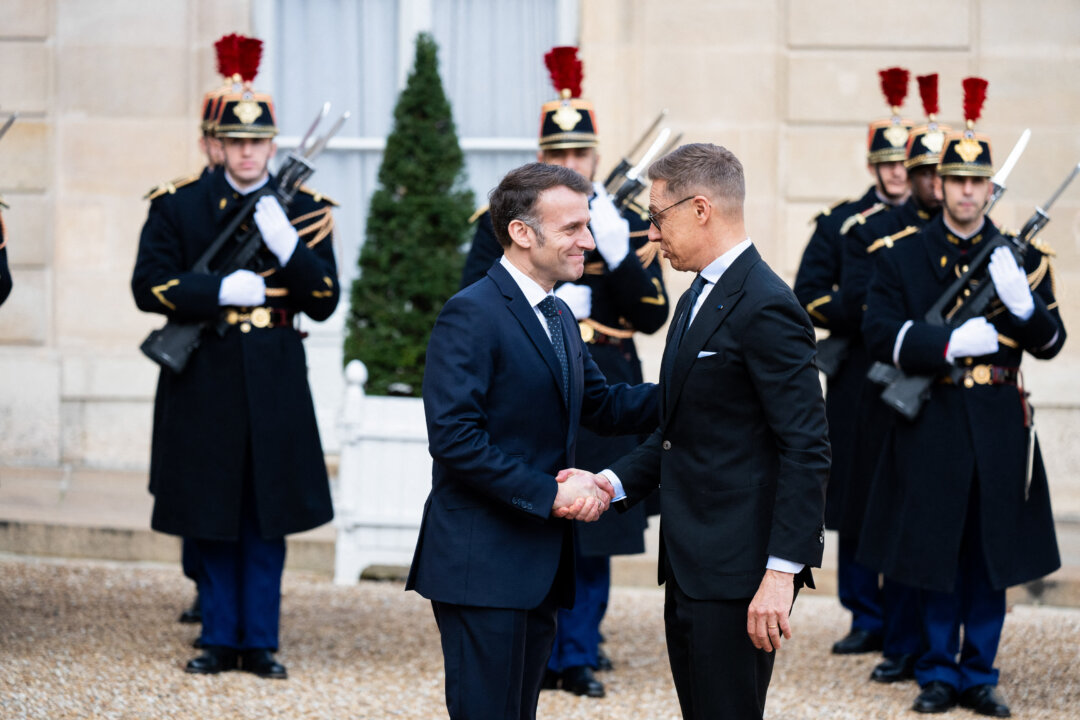
Finland has joined the French nuclear defense initiative, known as Forward Deterrence, that extends the reach of France’s nuclear arsenal through strategic partnerships with other European countries.
France and Finland said in a joint Sept. 14 statement that the move “is an important step for European security,” in particular to strengthen Europe’s ability to manage escalation from aggressive actors.
The two countries said that a nuclear steering group would be established in the next few months to discuss the exact nature of the cooperation.
The move comes at a time of escalating instability on the continent as the war between Russia and Ukraine continues into its fifth year, and the United States shifts its focus away from Europe and toward the western hemisphere.
In a post on X, Finnish President Alexander Stubb said that the nuclear deterrence initiative “strengthens Europe’s grip on its own defense and helps prevent escalations.”
France is one of only two NATO allies in Europe to be a nuclear power, the other being the UK. European NATO members have largely been relying on the United States and its nuclear arsenal as a deterrent against aggression from adversaries.
The Finnish Ministry of Defence said on Monday that Finland has become the 10th country to join the initiative, following other allies including Denmark, Norway, and Sweden.
The ministry said that the efforts do not conflict or overlap with NATO’s nuclear deterrence guarantees, saying that NATO’s deterrence is based on nuclear-sharing arrangements and relies on the United States’ arsenal as a deterrent.
Finnish Minister of Defence Antti Hakkanen added that countries joining the French program “will not have obligations like NATO’s collective defence. Moreover, France is not asking the other countries to contribute to the costs of maintaining the nuclear deterrence.”
Hakkanen said that cooperation could include joint exercises or temporary deployment of the French air force in the partner country.
“Europe must assume a greater role both in conventional defence and in nuclear burden sharing,” Hakkanen said. “Discussions on reinforcing nuclear deterrence and strengthening the security of Europe are essential for Finland’s defence.”
French Initiative
On March 2, French President Emmanuel Macron launched the defense initiative, pledging to increase the size of France’s nuclear arsenal.
Macron said at the time that growing geopolitical tensions required a strong nuclear posture from Paris, pointing to the war between Russia and Ukraine and the conflict in the Middle East.
He said that France’s defensive nuclear strategy would continue to evolve, describing this new strategy as “advanced deterrence,” which will strengthen cooperation with allies in Europe while preserving Paris’s authority to make independent decisions.
“France will always assume sole responsibility, while taking into account the interests of our allies, for the deliberate crossing of the nuclear threshold,” Macron said.
European Defense
European nations have been redoubling their efforts to take on more of the burden-sharing of the continent’s defense, particularly since the start of the Ukraine war.
U.S. President Donald Trump has also been putting
pressure
on allies to commit more to defense, a long-standing focus of the Republican president since his first term in office.
With influence from Trump, in June 2025, NATO allies
agreed
to raise defense spending targets to 5 percent of gross domestic product by 2035, in a bid to redress the imbalance in spending.
The United States is also
reorienting
its security priorities away from Europe and toward defense of the homeland and the Western Hemisphere.
The Pentagon, on Jan. 23, released its National Defense Strategy, which says that the United States would encourage partners in other parts of the world, including Europe, to take primary responsibility for their own defense “with critical but limited support from U.S. forces.”





China’s Growing Auto Presence Forces Europe to Rethink Its Car Industry
As Chinese automakers gain ground in Europe, the continent’s car industry is...
Poland Finds Suspected Russian Drone Off Baltic Coast
The Polish military found a suspected Russian drone off the country’s Baltic...
North Korea Launches Ballistic, Cruise Missiles in Live Fire Drill
North Korea said that it launched several missiles and other weapons on...
Trump Says Countries Should Reimburse US for Strait of Hormuz Help
Vessels transit the Hormuz Strait off the coast of Iran's southern port...