J.D. Tuccille: After the Belleville attack, Jews face tough decisions about security
 Terry NewmanUpdated 1 day Ago2 Mins read
Article content
That’s typical. Surveys by Lifeway Research find that “around four in five U.S. Protestant pastors (81 per cent) say their church has some type of security measure in place” and “most (54 per cent) also say armed church members are part of the measures they have in place.” Just five per cent rely on police on-site.
Article content
Last month, Axios reported, “synagogues across the U.S. are having congregants train to be volunteer security teams” and that one nonprofit group, the Community Security Service, has trained “more than 7,100 active volunteers” to protect “more than 500 synagogues and events across the U.S. each week.”
Article content
No wonder that after Montgomery County passed its ban on firearms at houses of worship, a synagogue security volunteer told the Jerusalem News Syndicate, “We are still carrying. That remains true, despite Montgomery County’s best efforts.” He added, “I’d rather be judged by 12 than carried by six.”
Article content
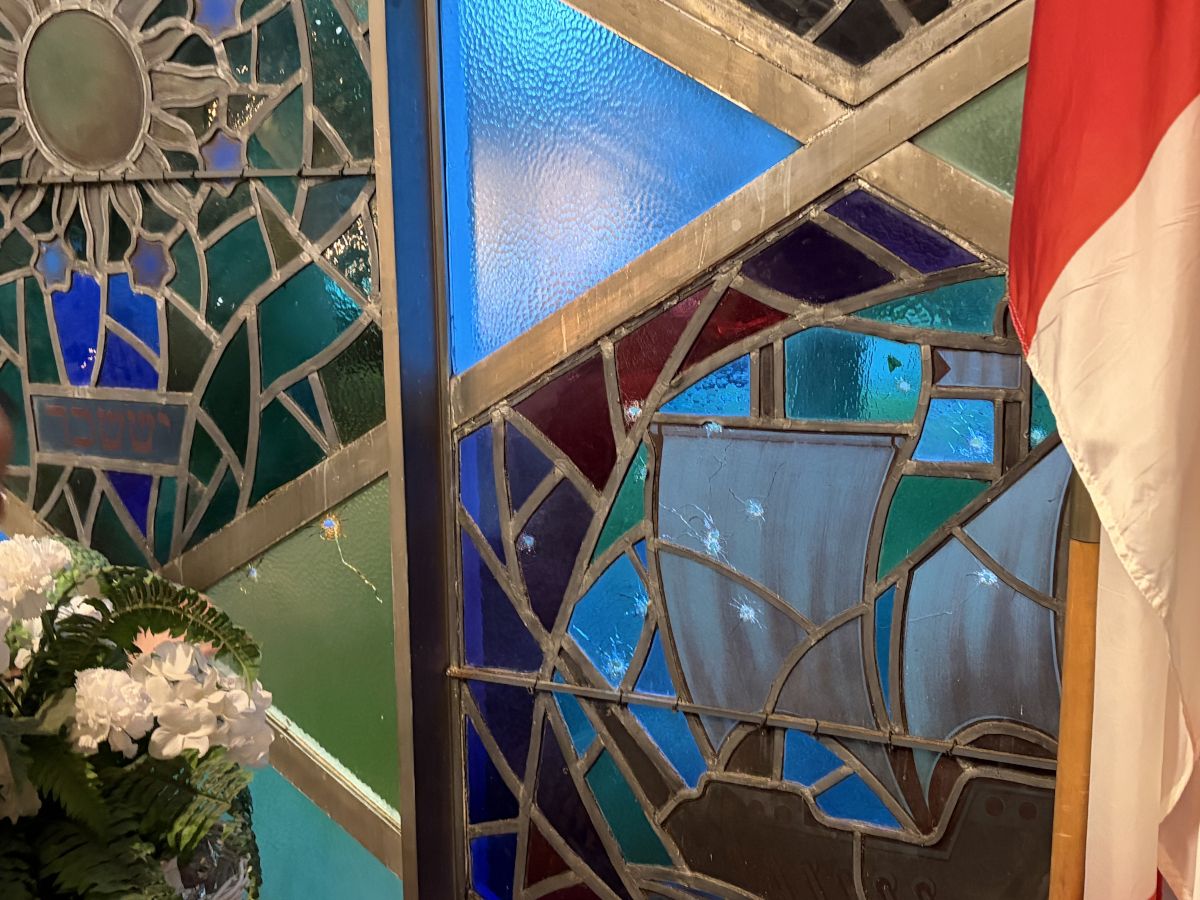
That commitment won’t be tested. Like the earlier county law, after a lawsuit by a synagogue and two rabbis, the gun ban is now under a federal injunction as a violation of the Second Amendment’s protections for the right to keep, carry, and use the means for self-defence as well as First Amendment protections for the right to worship.
Article content
Article content
“A threat to safety is likely an irreparable harm,” ruled U.S. District Judge Deborah K. Chasanow in finding the plaintiffs suing to block the law were likely to prevail in court. “A burden on religious practice cannot be fully remedied by money damages, and thus can be considered irreparable.”
Article content
Evading the efforts of government officials hostile to self-defence is an all-too-common necessity. When I attended a week-long defensive pistol class last year, one of my classmates, back for a refresher course, worked with a national organization to train Jewish security volunteers. He told me that while he and his colleagues are welcomed by synagogues and other institutions, they sometimes need to operate under the radar in communities where authorities put roadblocks in the way of their efforts.
Article content
But we’re fortunate in the U.S. to be able, in most places, to adequately provide for the congregation’s defence. As that Sunday Yom Kippur service emptied, before we received word of the Belleville attack, an Englishman visiting Sedona, which is a tourist magnet, told me that he worked as a security guard at his synagogue but isn’t permitted to wield much more than a stern look to deter potential threats. Given the dangers in the U.K. as much as elsewhere, he wished he could carry the gear available to us.
Article content
Article content
Even before the shootout at the Sons of Jacob Congregation, Canadian Jews also pushed for better security measures. In a February National Post article, Toronto Jewish community advocate Joseph Reichmann criticized police priorities when it comes to defending Jewish institutions and called for “professionally trained guards held to the same standards as any other armed private security.”
Article content
While not prohibited to the same extent as in the U.K., legally providing armed guards for houses of worship would probably require changes to restrictive Canadian laws that currently limit carrying guns to the protection of cash and “other goods of substantial value” or for use against animals in the wilderness.
Article content
With antisemitic attacks on the rise around the world, those responsible for synagogue security face tough decisions. If they’re lucky, they will have a constable Jeff Smith on hand. More likely, they’ll need to make their own provisions for the safety of their congregations. That may mean asking volunteers to spend time sweating under body armour and carrying protective gear in hopes it won’t be needed.
Article content
National Post
Article content



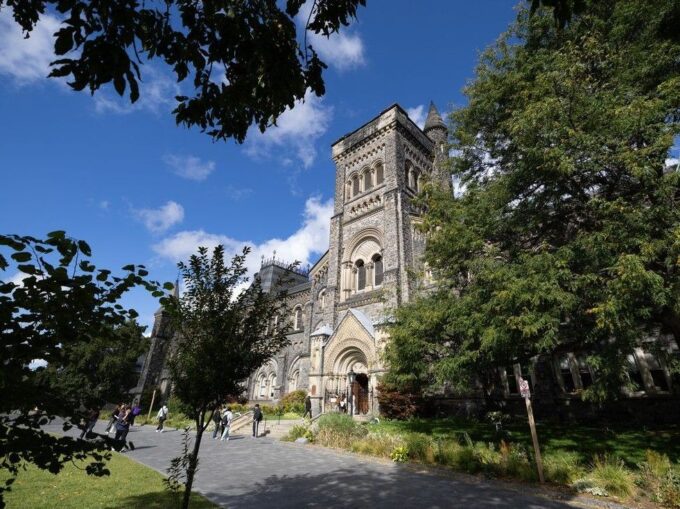
Anti-Israel Oct. 7 event to ‘honour martyrs’ will not proceed on U of T campus: university
University College at University of Toronto in Toronto, Ontario on Wednesday, September...
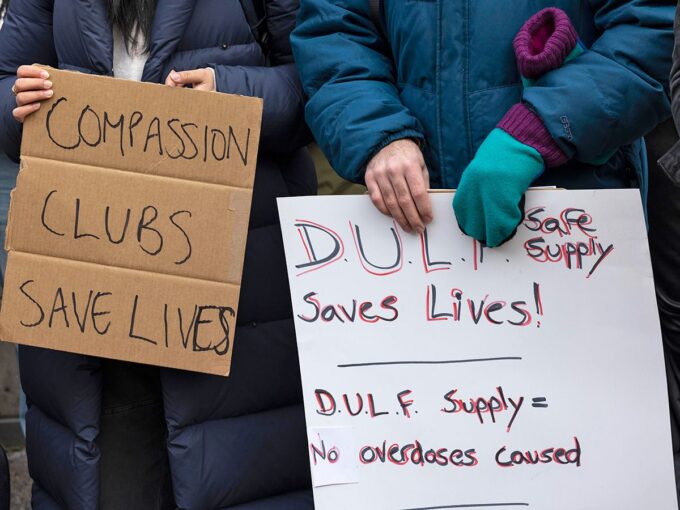
Chris Selley: If judges now can’t even tell what a ‘fact’ is, we’re really cooked
Facts? Supporters of the Drug User Liberation Front outside a Vancouver courthouse...
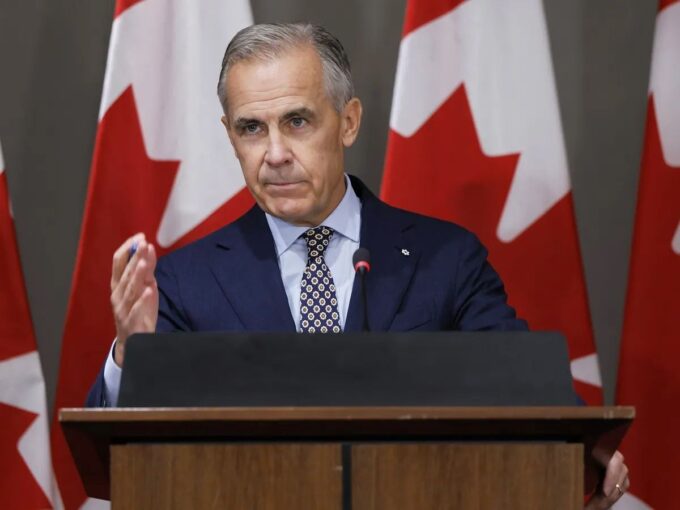
Conrad Black: Carney’s invasion musings
Prime Minister Mark Carney speaks during a Liberal caucus meeting on Parliament...

Co-Pilot Used Crash Axe in Attempted Terrorist Attack on Israel-Bound Flight, UAE Says
The United Arab Emirates prosecutor general said Saturday that the co-pilot of...