SEC Sues Proxy Adviser ISS Over Client Voting Data
 Bill PanUpdated 1 day Ago3 Mins read
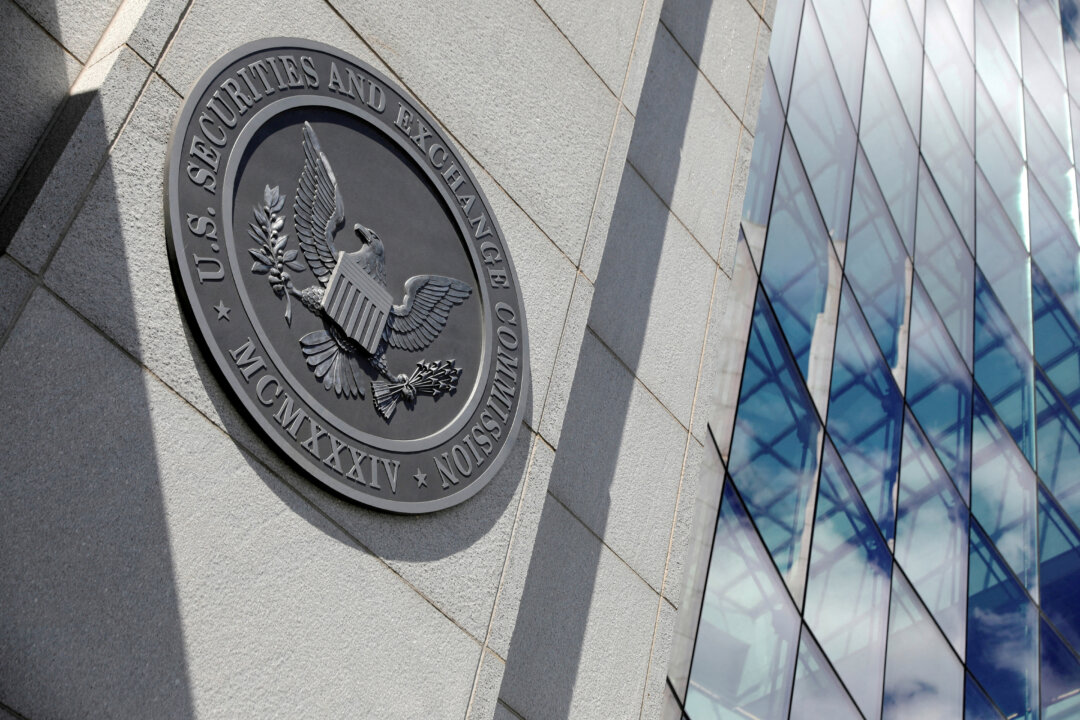
The Securities and Exchange Commission (SEC) has asked a federal court to force proxy advisory giant Institutional Shareholder Services (ISS) to turn over client voting and recommendation data as part of an agency investigation.
The SEC filed the action on Sept. 4 in the U.S. District Court for the Eastern District of Pennsylvania. The agency said ISS has refused to fully comply with an administrative subpoena issued in July.
“ISS has continued to refuse to produce all of the requested materials,” the SEC said in a news release.
The SEC described the proceedings as part of its “fact-finding investigation” of ISS and does not accuse the business of any misconduct.
ISS is one of the nation’s two dominant proxy advisory firms, alongside Glass Lewis. It provides large investors with research and recommendations on how to vote at corporate shareholder meetings.
ISS also operates ProxyExchange, an online platform that provides voting recommendations, receives clients’ voting instructions, and can execute votes on their behalf.
Dispute Over Client Voting Data
The dispute began in March, when SEC examiners asked ISS for data about its proxy recommendations and client votes.
ISS objected to parts of the request and said producing the information in the format sought by regulators would be burdensome, according to the filing. The company offered other ways for the SEC to review the information, including access to ProxyExchange.
After the two sides failed to resolve the dispute, the SEC’s Enforcement Division opened an inquiry on July 6. A formal investigation order was issued on July 20, followed by an administrative subpoena the following day.
The subpoena sought three main categories of information.
It asked for records identifying ISS clients over a four-year period, agreements governing how ISS handles proxy votes for clients, and an electronic export of recommendation and voting data from ProxyExchange.
ISS agreed to provide information in response to the first two requests but disputed the third.
Instead of turning over the ProxyExchange data in the form requested, ISS proposed anonymizing it first. The company said it would need to hire a third-party expert to remove information that could identify ISS clients or clients of ISS clients.
ISS told the agency that the information is highly sensitive because it could reveal clients’ voting strategies, priorities, and decisions, according to the filing.
It also pointed to a December 2025 executive order from President Donald Trump that specifically called for greater federal scrutiny of proxy advisers, including ISS and Glass Lewis. ISS argued that disclosing detailed client voting information could expose the company and its clients to “retaliatory actions” for protected speech.
In a statement to The Epoch Times, ISS said it remains willing to work with the SEC but will defend the confidentiality of its clients’ voting decisions.
“The SEC’s current demand—that ISS disclose confidential and detailed information about how its clients have chosen to vote their or their clients’ shares in corporate elections—raises serious First Amendment concerns,” a spokesperson for the firm told The Epoch Times on Sept. 8.
“Our clients share this information with an expectation that the information will not be shared—an expectation we take seriously and will continue to defend.”
Growing Scrutiny of Proxy Advisers
ISS and Glass Lewis play an influential role in corporate governance. The White House has said the two firms together control more than 90 percent of the proxy-advisory market.
Over recent years, proxy advisers have faced both corporate pushback and political scrutiny.
While business critics raised concerns over potential conflicts of interest, government officials have questioned whether some recommendations involving so-called environmental, social, and governance (ESG) goals are sufficiently focused on financial returns.
Several state attorneys general have brought investigations or lawsuits against the firms.
Texas sued ISS in May, alleging that it misled investors about the role ESG and diversity considerations played in its recommendations. Florida also sued ISS and Glass Lewis last year under state consumer-protection and antitrust laws.
The companies have contested such allegations.
They have also challenged state laws regulating their recommendations. In July, federal judges temporarily blocked anti-ESG rules in Indiana and Kansas after ISS and Glass Lewis argued that those measures violated their First Amendment rights.
ISS previously won a major legal battle against the SEC itself.
In July 2025, the U.S. Court of Appeals for the D.C. Circuit upheld a lower-court decision striking down an SEC rule that treated independent proxy-voting advice as a form of proxy “solicitation” subject to federal regulation.
Providing voting recommendations at a client’s request, the appeals court said, did not amount to soliciting a proxy under federal securities law.
The latest dispute involves a different source of SEC authority. ISS is registered with the agency as an investment adviser, and the SEC said the subpoena is part of its examination and enforcement authority under the Investment Advisers Act.







Apple Joins Foldable Phone Race With $1,999 Passport-Shaped iPhone Duo
CUPERTINO, California—Apple on Wednesday redefined its flagship smartphone with the launch of...

Florida’s Attorney General Sues Netflix for Allegedly Harvesting, Selling Children’s Data
Florida’s attorney general sued Netflix on Sept. 9 claiming the streaming giant...

4 Women Accuse Amazon of Systematic Pregnancy Discrimination
Four former Amazon female warehouse employees have sued the e-commerce giant, alleging...

Clearing Up the SECURE 2.0 Confusion: Is Your Required Minimum Distribution Age 73 or 75?
Congress, in regulating the tax treatment of certain retirement plans, has changed...