Some in NATO Trying to Turn Ukraine War Into Conflict Between Alliance and Russia, Says Slovak PM
 Victoria FriedmanUpdated 1 day Ago3 Mins read
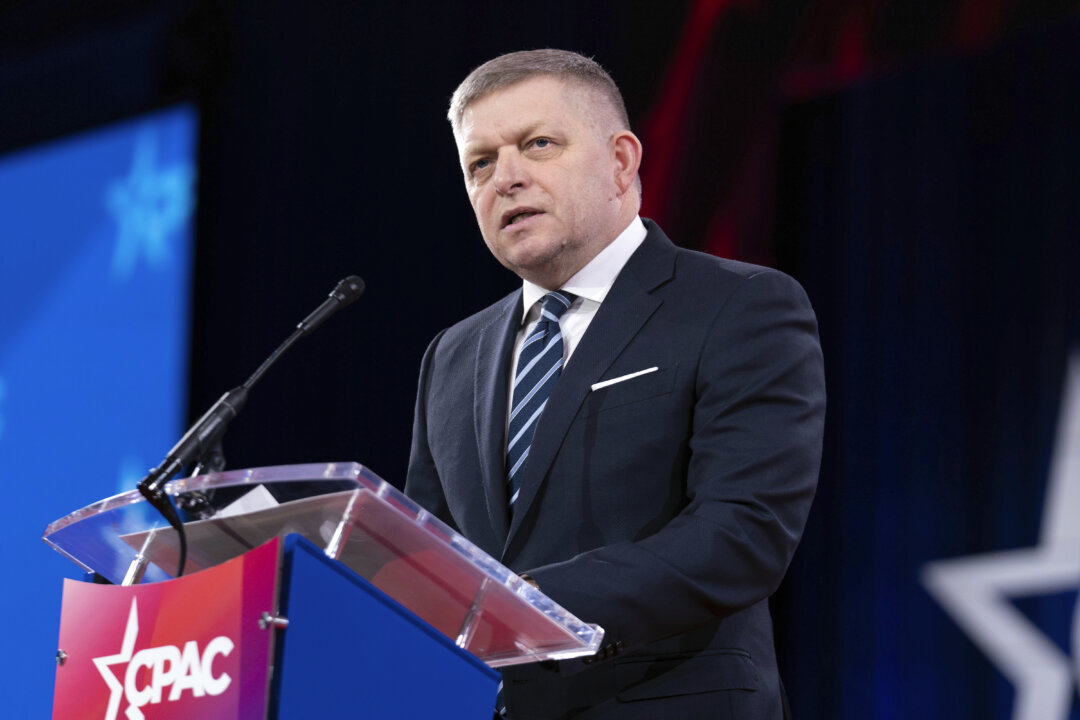
Slovak Prime Minister Robert Fico has said some within NATO are seeking a conflict between the alliance and Russia, after a “failed” strategy to defeat Moscow through its war with Ukraine, his comments coming as Western nations have warned that Russian hybrid attacks are intensifying.
In remarks earlier last week, Fico said a drone incursion could result in the activation of NATO’s collective defense clause, Article 5, under which an armed attack against one ally is considered an attack against them all.
“The failure of the strategy to destroy Russia through the war in Ukraine has led some Western politicians to believe that if the goal cannot be achieved through the Ukrainian army and full support for it, then every effort must be made to trigger a conflict between NATO and Russia,” Fico said in a video message shared on social media on Sept. 19.
The war in Ukraine is neither NATO’s nor Slovakia’s conflict, he said, but “certain war hawks within NATO are trying, at any cost, to turn this war into a conflict between Russia and NATO.”
NATO maintains that it is a defensive alliance that operates on its deterrence and defense posture.
According to the alliance, when Article 5 is invoked, that demonstration of this solidarity does not necessarily have to be military, and it is up to each individual ally to determine what it deems necessary in terms of support and what form that assistance takes.
Russia has also said it is not looking for conflict with NATO in Europe but will defend itself if attacked first.
Hybrid Attacks Intensifying
The remarks came as French President Emmanuel Macron said Russian hybrid attacks were intensifying.
Hybrid attacks fall short of an act of war and can include sabotage, propaganda, and other non-overt tactics.
“In recent weeks, the threat—particularly the Russian hybrid threat—facing Europeans and France has intensified,” Macron said in Paris on Sept. 18, saying that his administration would be drawing up plans on how to protect critical infrastructure from drone attacks.
The French president cited an attempted drone attack at Leipzig/Halle Airport in August, which German authorities blamed on Russia, as evidence of Moscow’s changing demonstrations of aggression.
Polish Prime Minister Donald Tusk on Sept. 17 cited unnamed intelligence agencies saying that Moscow is planning to launch “hybrid” drone and missile attacks against countries that are supporting Ukraine.
“These potential strikes would be quote-unquote ‘accidental’ in nature, intended to paralyze or at least weaken the resolve of NATO states to invoke the relevant NATO provisions in the event of aggression against a member country,” Tusk told Parliament.
Russia has denied it was involved in the incident against the Leipzig airport and denies that its drones are intentionally entering NATO airspace.
Slovak Relations With Russia
Fico wrote in an X post on Sept. 20 that he is not “and will never be, among those looking for a pretext for war between NATO and Russia.”
“As long as I am Prime Minister of the Slovak Republic, I will not agree to Slovak soldiers taking part in any military adventure provoked by anyone within NATO,” he said.
The Slovak prime minister said that Article 5 of the North Atlantic Treaty provides members with “several options for demonstrating solidarity.”
A member of the European Union (EU) as well as NATO, Slovakia has maintained diplomatic and economic relations with Russia. Hungary, under the premiership of former Prime Minister Viktor Orban, similarly maintained a friendly relationship. During his tenure, Orban blocked EU sanctions
packages
against Moscow, was an opponent of Brussels’s plans to
ban
Russian energy imports, and made multiple
trips
to Moscow to meet with Russian President Vladimir Putin.
Budapest has taken a different approach since the election of Hungarian Prime Minister Peter Magyar, reversing many of those policies and aligning itself more with the rest of the EU and NATO, including labeling Russia a “threat to the global order.” Recently, Budapest expelled 10 Russian diplomats. Exact details were not given, but Budapest said on Sept. 8 that their alleged engagement in certain activities was unacceptable under international codes of diplomatic behavior.
Reuters and Guy Birchall contributed to this report.





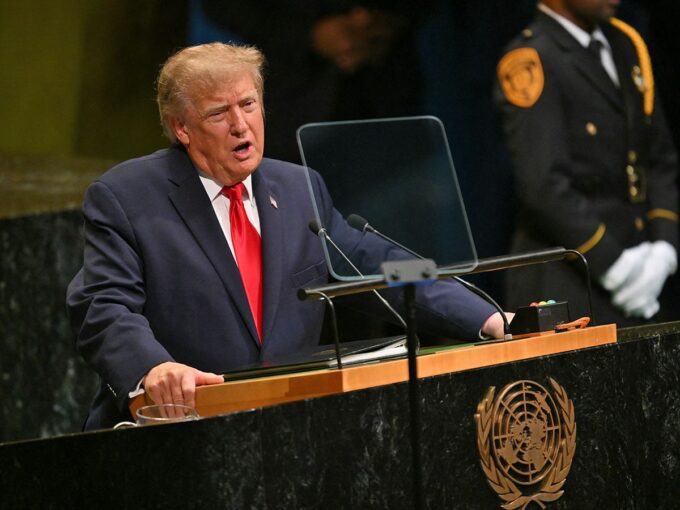
At UN, Trump threatens Iran with ‘hell,’ then after reveals the two sides had ‘very productive’ talks
U.S. President Donald Trump addresses the United Nations General Assembly at the...
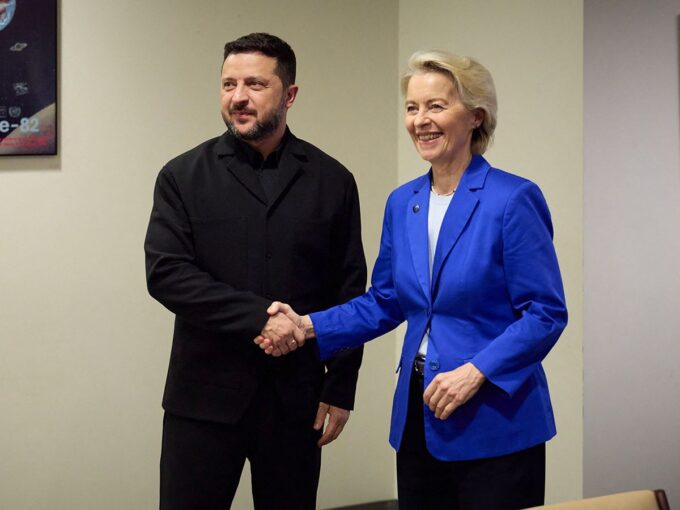
EU tells Zelenskyy to strengthen rule of law in Ukraine before any more monetary aid comes
Ukraine's President Volodymyr Zelensky meets with European Commission President Ursula von der...
Republican senator calls for probe into Trump family’s financial dealings
U.S. President Donald Trump with his son Donald Trump Jr. in May...
EU Removes 2 Russian Oligarchs From Sanctions List
Ambassadors of the European Union’s 27 member states removed three people and...