Uber Slashes Global Workforce by 10 Percent to Streamline Management
 Bill PanUpdated 7 hours Ago2 Mins read

Uber is cutting about 10 percent of its global workforce, as the ride-hailing company seeks to reduce management layers and free up resources for new areas of growth.
CEO Dara Khosrowshahi announced the decision on Wednesday in a letter to employees, saying years of expansion had made Uber more complicated and slowed decision-making.
“The changes we’re making today are designed to do two things: make Uber simpler and faster, and create more capacity to invest in our future,” he wrote.
The company said in its annual regulatory filing that it had about 34,000 employees at the end of 2025.
The restructuring focuses heavily on management and coordination roles.
Khosrowshahi said Uber is cutting nearly half of its “micro-teams,” or teams with only one or two direct reports. The company is also reducing by 20 percent the number of employees who sit seven or more reporting layers below the CEO.
Uber is also combining teams that it said had become too fragmented.
The company will merge its three delivery groups covering restaurants, retail, and direct delivery. In its technology division, Uber will bring together its Core Services engineering and science teams.
Khosrowshahi is also asking most remote employees to return to the office. Going forward, he said, only about 1 percent of Uber employees will be allowed to work fully remotely.
Uber will also enforce its hybrid-work policy more strictly, requiring employees to work in the office three days a week.
The company also plans to concentrate more teams in fewer hubs, including New York and San Francisco, for global roles.
“A leaner organization will mean clearer ownership, faster decisions, and more time spent building rather than coordinating,” Khosrowshahi wrote.
In July, Uber eliminated about 10 percent of its customer-service workforce, citing the increasing use of artificial intelligence (AI).
A month earlier, it cut about a quarter of its human resources and recruiting staff, although Uber said those reductions were not related to AI.
Khosrowshahi did not cite AI as a reason for the current layoffs.
Shares of Uber rose nearly 2 percent in New York following the announcement. The stock has fallen about 8 percent so far this year amid questions about growing competition and the long-term impact of autonomous vehicles on its ride-hailing business.
The latest cuts also come as Uber commits billions of dollars to autonomous vehicles. That marks a shift from its traditionally asset-light business model toward directly owning robotaxi fleets and investing in companies that develop autonomous-driving technology.
Autonomous vehicles were already available on the Uber platform in seven cities during the second quarter. The company said it remains on track to expand to as many as 15 cities by the end of 2026.
Uber faces growing competition from Alphabet’s Waymo, Tesla, and Amazon-owned Zoox.
Waymo announced plans this week to expand into Denver, San Diego, and Tampa.
Zoox is also adding testing operations in Houston and San Diego.
Khosrowshahi said savings from the restructuring will be reinvested in growth, innovation, and new technologies.
“Our opportunity from here is enormous,” he wrote, pointing to Uber’s plans to reach more customers, invest in drivers and merchants, and “build the autonomous future.”






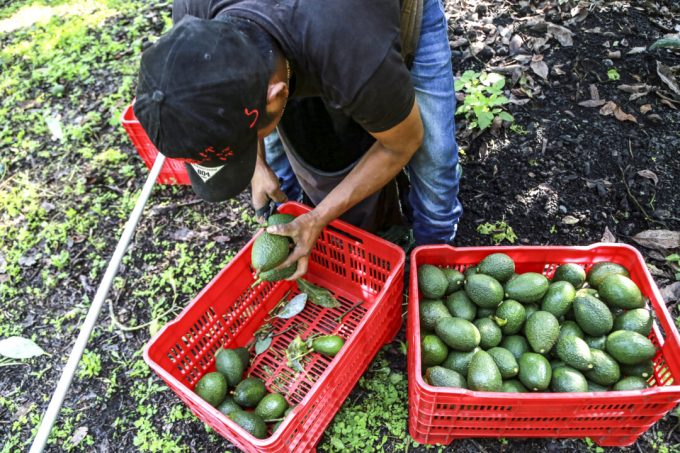
US Restarts Mexican Avocado Checks as Security Measures Increase
A farmhand harvests avocados at an orchard in Santa Ana Zirosto, Michoacan...

Ex-Firefighter Leads Community Fight Against Renewables Amid Fire, Environmental Concerns
A community collective in the small Queensland township of Baffle Creek says...

Japanese Yen Strengthens Sharply as Markets Monitor Possible Intervention
The Japanese yen surged against the U.S. dollar midweek as global financial...
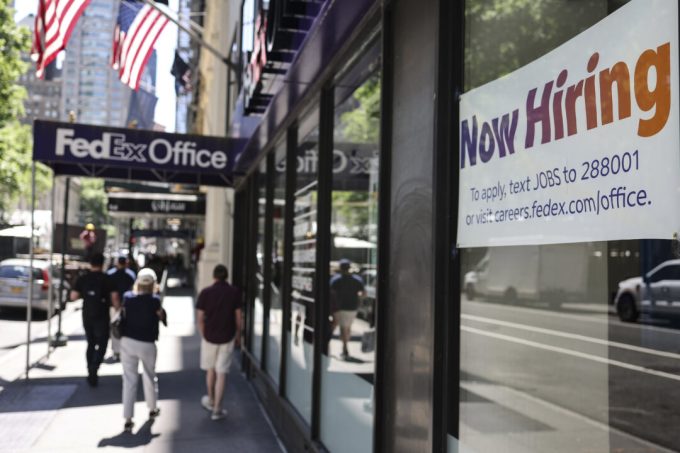
US Private Payrolls Grow by Just 38,000 in August, ADP Says
U.S. private employers added a smaller-than-expected number of jobs last month, furthering...