US Mortgage Rates Cross 7 Percent
 Naveen AthrappullyUpdated 4 hours Ago3 Mins read
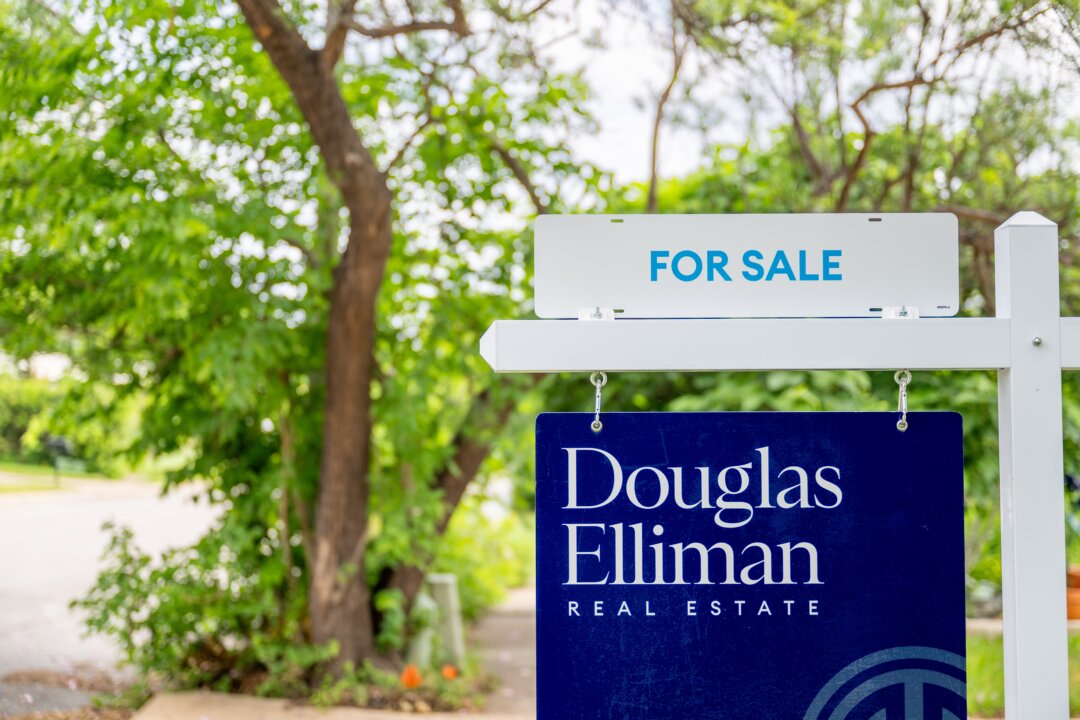
The daily average 30-year fixed-rate mortgage rate crossed 7 percent on Thursday for the first time since May last year.
The rate was at 7.07 percent on Thursday, and rose to 7.12 percent on Friday, according to data from Mortgage News Daily. After crossing the 6.5 percent level on May 12 this year, the rate has stayed above it every day since then.
Rising rates have impacted mortgage applications, with the number of applications down 2.7 percent for the week ending Sept. 4, according to a statement from the Mortgage Bankers Association (MBA).
Joel Kan, MBA’s deputy chief economist, said in the statement that higher rates have affected applications for refinancing homes, which have fallen to their “slowest weekly pace since May 2025.”
While purchase applications were overall “little changed” from the previous week, more borrowers have shifted to taking adjustable-rate mortgages (ARM), Kan said. Unlike fixed-rate mortgages, ARMs offer a fixed rate for a set period, after which rates fluctuate with market conditions.
“Higher mortgage rates continue to weigh on prospective homebuyers looking to act, even as housing inventory has increased in many markets,” Kan said.
According to Freddie Mac data, the average weekly rate for a 30-year fixed-rate mortgage hit 6.76 percent for the week ending Sept. 9, the highest level in more than 14 months.
Sam Khater, Freddie Mac’s chief economist, said in a Sept. 10 statement that prospective homebuyers should remember that “shopping around for the best mortgage rate and getting multiple quotes can potentially save them thousands.”
The 30-year fixed-rate weekly mortgage rate briefly fell below 6 percent in late February, but has since risen amid the U.S.–Iran war.
One factor pushing mortgage rates higher is surging bond rates. Both 10-year Treasury bond yields and mortgage rates tend to rise and fall together, with investors buying bonds and mortgage-backed securities during times of uncertainty. The 10-year Treasury yield has been rising since early March, and mortgage rates have increased as well.
Another factor that can influence mortgage rates is the Federal Reserve’s benchmark interest rate. Higher Fed
interest
rates can push mortgage rates up.
In the July meeting of the Federal Open Market Committee, members opted to keep interest rates unchanged at 3.5–3.75 percent for the fifth straight time. The next meeting is scheduled for Sept. 15–16. If the meeting leads to a hike in interest rates, especially by an unexpected magnitude, mortgage rates can potentially increase as well.
According to data from the CME’s FedWatch Tool, as of 01:35 a.m. EDT on Friday, interest rate traders are seeing a roughly 70 percent chance that the Fed may raise its rates to a range of 3.75–4 percent in the upcoming meeting.
Despite elevated mortgage rates, this is now the strongest buyer’s market on record, according to real estate brokerage Redfin.
Sellers outnumbered buyers by around 58 percent last month, which is the “biggest gap in our records,” the brokerage said in a Sept. 10 report, attributing the trend to an increase in property listings and stagnant demand.
In markets where sellers outnumber buyers, the latter tend to have more negotiating power. This can help buyers secure more favorable terms from sellers when purchasing a property.
Asad Khan, a senior economist at Redfin, said that with sellers “piling” into the housing market and demand being flat, prospective home buyers can now be choosy about the property they wish to purchase.
“Even during a time when housing costs are elevated, the surplus of sellers over buyers makes it a good time to be a house hunter, in some respects. In most markets, buyers should negotiate on price and ask for concessions like repairs or help with closing costs,” Khan said.
“Buyers shouldn’t assume every seller will budge, especially on a desirable home that’s already priced well, but they don’t need to rush into a deal that doesn’t feel right,” according to Khan.
Demand exhibited signs of contraction, with existing home sales falling 2 percent month-over-month in August and by 1.2 percent from a year back, according to the latest numbers from the National Association of Realtors.







OpenAI Puts IPO Plans on Hold Amid AI Safety Concerns
OpenAI CEO Sam Altman arrives to attend a court appointment at the...

Ford Adds $1 Billion Investment at Kentucky Truck Plant
Ford Motor plans to invest $1 billion in one of its largest...

Iran Used Claude AI Model to Target US Navy Warships: Anthropic Report
A sweeping report by Anthropic described how Iran had used the U.S....

Industry Rallies Behind Anthropic CEO’s Call for AI Slowdown
Anthropic CEO Dario Amodei is calling on artificial intelligence companies to slow...