Weekly Unemployment Claims Sink Below 200,000 Again
 Andrew MoranUpdated 53 minutes Ago2 Mins read
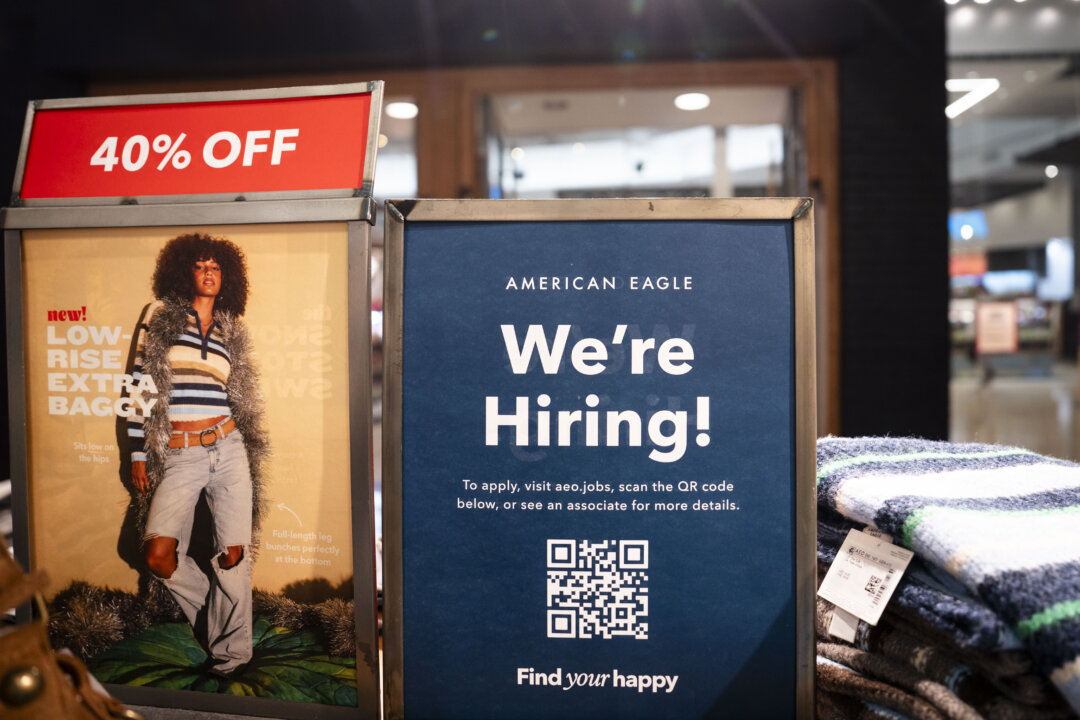
First-time applications for unemployment benefits sank below 200,000 per week again, as labor market conditions remain in check.
Initial jobless claims declined by 13,000 to 189,000 for the week ending Nov. 21, according to Department of Labor data released on Nov. 25.
This came in firmly below the consensus forecast of 200,000 and tied for the lowest claim count in about 57 years.
Stripping out week-to-week volatility, the four-week average dipped to 196,000.
Today’s labor market has been largely defined by few layoffs, with jobless claims entrenched in a historically tight range of 189,000 to 230,000.
Hiring momentum has fluctuated throughout the year, but the U.S. economy has been steadily expanding its headcount.
So far this year, the economy has added 861,000 new jobs, with almost all of this growth coming from the private sector.
Hiring Conditions
While still more than a week away, RBC Economics expects the Bureau of Labor Statistics to report 67,000 new jobs for November “after a massive upside to hiring in October.” November’s job growth is expected to be driven by transportation and warehousing ahead of the holidays.
Additionally, in the four weeks ending Nov. 7, U.S. private employers added an average of 21,000 jobs per week. This is a slight deceleration from the 23,000 in the previous period, according to payroll processor ADP.
Job postings on Indeed have also accelerated this month, reaching their highest since April 2025.
Based on the Federal Reserve’s latest Beige Book—a periodic summary of economic conditions across the central bank’s 12 districts—employment conditions in the United States have improved.
“Employment levels rose slightly on balance, with many firms reporting stable head counts and hiring primarily to replace for attrition, while only a minority noted meaningful increases,” the report stated.
Several sectors reported “steady or rising labor demand.” Labor supply, which has been a challenge for employers trying to fill job vacancies, “generally remained stable.”
“While it was often relatively easy to find workers, persistent hiring difficulties continued for skilled and technical roles,” the Fed said.
One measure that serves as a proxy for hiring and re-employment trends is continuing jobless claims—the number of people currently receiving unemployment benefits.
Recurring claims fell sharply to 1.697 million, from 1.792 million in the previous week, the department reported.
But it can also reflect Americans exhausting their benefits, since many states cap eligibility at 26 weeks.
Eyes on Unemployment
The unemployment rate has been the clearest sign of the U.S. labor market’s ongoing resilience, hovering near historically low levels for the past few years.
In October, it ticked lower to 4.1 percent from 4.2 percent as more people joined the workforce. Looking ahead to the November jobs report, the Chicago Federal Reserve estimates a 53 percent chance of an increase.
“The combination of low layoffs and record retirements should help keep the unemployment rate steady at 4.1 percent,” the RBC economists said.
Economists’ breakeven estimates—the number of new jobs needed each month to keep the unemployment rate constant—vary. This past summer, Oxford Economics projected that the breakeven pace will likely decline to zero next year and “potentially turn slightly negative by 2028.”
“This trend suggests that the recent increases in nonfarm payrolls may not accurately reflect the market’s strength,” Oxford economists said in an August report.
Put together, these numbers point to further Federal Reserve tightening.
Since one side of the Fed’s dual mandate—maximum employment—is solid, the central bank can focus on the other half: price stability. With a chorus of officials aiming to return inflation to the institution’s 2 percent target, many have argued for rate hikes.
Policymakers have signaled further rate hikes ahead, while investors have largely penciled in a quarter-point increase to the benchmark federal funds rate at the Dec. 8–9 Federal Open Market Committee meeting.







Trump Requests Probe Into Sharply Revised GDP Data
President Donald Trump is requesting an immediate investigation after the Bureau of...

Should You Sell Your Home in Retirement?
If you’ve retired and paid off your home, you may be thinking...

Trump, Rutte Urge Russia to Avoid Actions That Expand Ukraine War
Russia should avoid taking actions that expand its war in Ukraine, U.S....

Netherlands Seeks to Block US Bill Restricting China’s Access to Chipmaking Tools
The Netherlands is seeking to prevent the passage of bipartisan U.S. legislation...