Winter 2026 Heating Oil Prices May Rise 21 Percent
 Adam H. DouglasUpdated 1 day Ago4 Mins read
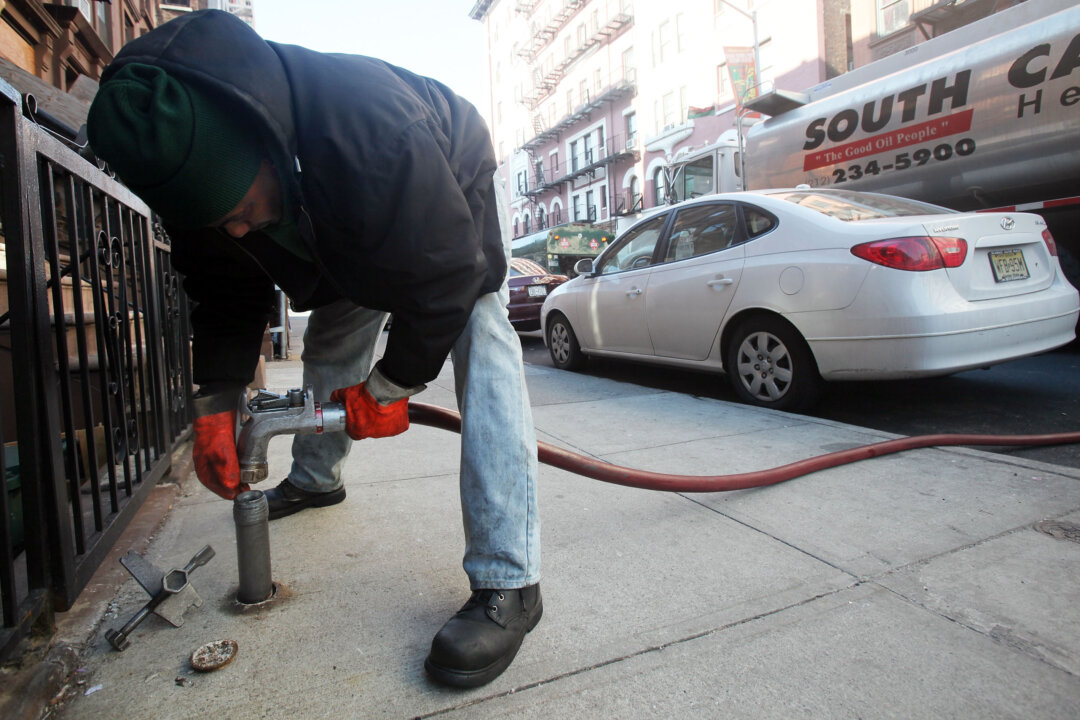
If your home runs on heating oil, this winter’s bill could be a steep one. The U.S. Energy Information Administration (EIA) expects households using oil to heat their homes will spend about 21 percent more than they did last winter.
That’s a forecast for the average home, and your own bill will depend on tank size, your dealer, and the weather. Tank size sets how much you can buy per delivery, not how much fuel you burn over the season.
And while the EIA’s prediction may send a chill up your spine, you still have time to plan before the coldest months arrive.
Quick Answer: How Much More Will Heating Oil Cost This Winter?
The EIA’s Winter Fuels Outlook puts the average oil-heated household bill at $2,115 for November through March, an increase of 21 percent. The price is forecast to average $5.26 a gallon, 34 percent above last winter. However, a milder Northeast winter should trim oil use by about 9 percent, to roughly 402 gallons, which could soften the increase but won’t come close to erasing it.
Why Heating Oil Prices Are Rising
Heating oil belongs to the distillate fuel family, which also includes
diesel
. Refineries around the world have scaled back their activity, which has cut global distillate production and pushed international prices higher.
It has also made imports to the United States more expensive and increased foreign demand for U.S. supplies. U.S. distillate stocks are now low as we head into winter.
Heating oil isn’t price-regulated the same way natural gas and electricity are, so wholesale price changes reach your dealer quickly. Those changes typically work their way fully into retail prices within four to six weeks.
As a result, the price you’re quoted in October could look very different by January, either up or down.
What the Season Could Cost You
The EIA’s month-by-month forecast shows prices easing through the winter, but January is still on target to be the costliest month because homes burn the most fuel then.

These figures assume households pay the prevailing price when they use the fuel. They don’t take into account oil bought ahead of time or prices locked in under a contract, so your actual cost could be above or below the average.
Who Is Hit Hardest
Roughly 4.1 million homes, or about 3 percent of U.S. households, use heating oil as their main fuel, and most of these are in the Northeast. Winter bills for the other main heating fuels are changing far less, and two of them are expected to fall.

These averages aren’t a reason to switch fuels on their own.
Plus, no two homes are alike—they differ in size, insulation, equipment, and how you live in them. So, cheaper fuel on average doesn’t automatically translate into a lower bill for your house.
What Could Change the Forecast
Weather is the biggest wild card for your oil bill. The EIA expects a Northeast winter that’s about 12 percent milder than last year’s, based on heating degree days (a measure of how far daily temperatures fall below 65 degrees Fahrenheit), and a much colder winter in the West.
Meanwhile, the National Oceanic and Atmospheric Administration has flagged a strong El Niño pattern this winter, which could mean large swings from that forecast. Cold weather can also push prices up, especially when fuel inventories are low, as they are now.
Ways to Protect Your Budget Before the Next Delivery
-
A fixed-price or capped-price contract can lock in your rate with your dealer ahead of time. Prices are forecast to ease through March, so a fixed plan signed now could leave you overpaying. Read the fine print on fees and minimum purchases.
-
Budget billing spreads the season’s cost into equal monthly payments. That takes the sting out of January, but it doesn’t lower the total you owe.
-
Quotes from two or three local dealers can differ by enough to matter. A cheaper rate sometimes comes with delivery fees or minimum gallons, so compare the all-in price per gallon.
-
A furnace tune-up, sealed ducts, and simple winterizing like weatherstripping around doors and windows usually cost far less than a season of wasted fuel. At this winter’s forecast price, every gallon you don’t burn is worth about $5.
-
Setting aside a little over $70 a month for the five-month heating season would cover about $370. That’s roughly what the average oil-heated home is expected to add compared with last winter.
-
If your budget is stretched, the federal Low Income Home Energy Assistance Program (LIHEAP) helps eligible households with heating costs through state and local agencies. Federal LIHEAP money has been delayed before, so it’s worth applying early. Ask whether your state also offers emergency help when a tank is nearly empty.
FAQs About Heating Oil Prices
How Much Will Heating Oil Cost per Gallon This Winter?
The EIA forecasts an average of $5.26 a gallon from November through March. Prices are expected to start near $5.79 in November and ease to about $4.84 by March. The season’s average is 34 percent higher than last winter’s.
Why Is My Heating Oil Bill Going Up if I Use Less Fuel?
Oil-heated households are expected to burn about 9 percent less fuel this winter, mainly because the Northeast should be milder. But the price per gallon is rising much faster than use is falling, so the total still climbs by about 21 percent.
Is It Cheaper to Switch Away From Heating Oil?
Natural gas households are forecast to spend about $640 this winter, far less than the $2,115 expected for oil. But homes differ too much in size, insulation, and equipment for that comparison to hold for any one household, and switching systems comes with installation costs of its own.
How Fast Do Wholesale Price Changes Reach My Bill?
Usually within four to six weeks. Heating oil is sold in an unregulated market, so dealers can adjust their rates as wholesale prices move. A fixed-price plan can shield you from those changes, but it also locks you in if prices fall.
Can I Get Help Paying My Heating Oil Bill?
The federal Low Income Home Energy Assistance Program (LIHEAP) assists eligible households, and each state sets its own application rules and benefit amounts. Contact your state’s energy assistance office or a local community action agency to check eligibility and deadlines.
The Epoch Times copyright © 2026. The views and opinions expressed are those of the authors. They are meant for general informational purposes only and should not be construed or interpreted as a recommendation or solicitation. The Epoch Times does not provide investment, tax, legal, financial planning, estate planning, or any other personal finance advice. The Epoch Times holds no liability for the accuracy or timeliness of the information provided.






Trump Accounts for Children
CommentaryAll Americans with children should activate their “Trump accounts” for their kids.More...

US Imposes 264 Percent Duties on Chinese Van Trailers, Subassemblies
The United States has imposed duties totaling more than 264 percent on...
Treasury Says Small Miners Could Struggle to Attract Investors Under Labor’s CGT Changes
Coal is stockpiled before being loaded on to ships at the RG...

Nelson Peltz-Led Group Offers to Take Wendy’s Private for $1.4 Billion
Trian Fund Management, the activist hedge fund led by billionaire investor Nelson...