5 Million Social Media Accounts Purged in FBI’s Anti-Scam Operation
 Naveen AthrappullyUpdated 52 minutes Ago2 Mins read
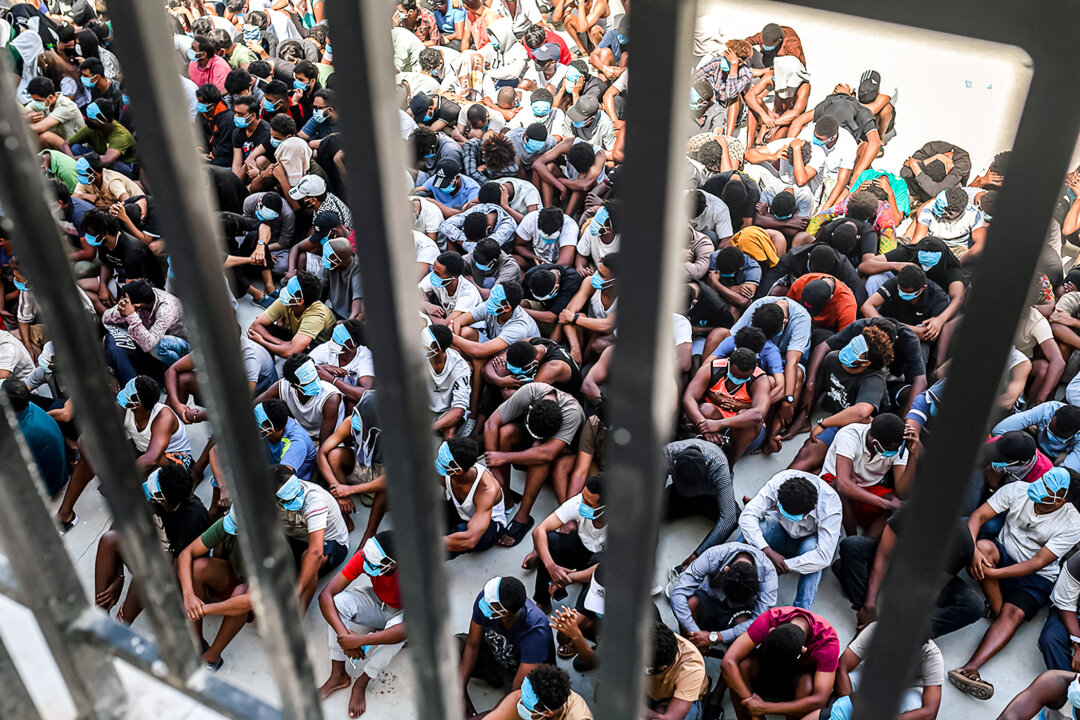
More than 5 million illicit social media accounts have been removed as part of Operation Blackout, the FBI’s global scam center demolition campaign.
Nearly $17 billion in illicit funds have been restrained, more than 320 overseas arrests have been made, 50-plus scam actors were charged federally, more than 30 scam compounds were disrupted, and more than 14,000 devices were seized under the operation, FBI Director Kash Patel said in a Nov. 14 post on X.
Scam
compounds
provide the infrastructure to conduct large-scale online fraud operations and usually employ numerous people, many of whom are captives.
The operation, which focused on criminal activities in Africa, the Middle East, and Southeast Asia, led to the rescue of more than 2,200 human trafficking victims.
Patel did not specify a timeline, but had previously said in a July 21 post on X that $15.2 billion was seized under the operation over a 16-month period.
“The results speak for themselves,” Heith Janke, assistant director of the FBI’s Criminal Division, said at an Oct. 28 press briefing. “Nearly $17 billion seized, hundreds of alleged scammers arrested, thousands of trafficked workers freed, 10,000 Americans warned before they could lose more, 77 percent of them that didn’t realize they were being scammed, and $670 million prevented from going to these criminal organizations.”
An infamous scam compound in Burma was disrupted by authorities earlier this year, seizing $30 million in cryptocurrency and removing 2,000 online accounts. Another initiative in Madagascar led to the dismantling of 13 facilities run by Chinese organized crime groups, Janke said.
The FBI is also working with China’s Ministry of Public Security to target scam compounds. The agency hosted the first-ever scam center summit in Thailand in July. The event, aimed at strengthening the global fight against transnational criminal organizations, was attended by nearly 20 nations, Janke said.
“We are just getting started,” Janke said. “Preying on innocent people across the globe will not be tolerated. There is no safe haven, and we will hold you accountable.”
Scam Compounds
Scam compounds range from large fixed facilities to small, dispersed, and mobile structures that may remain connected through financial infrastructure.
The most extensively documented model is the large physical scam compound, which often involves people trafficked and forced into criminality, according to a Nov. 5 report from the Financial Action Task Force (FATF), a global money laundering and terrorist financing watchdog.
“Organised criminal groups may establish or repurpose compounds, casinos, hotels, offshore-gaming-operator-style facilities or similar premises to accommodate workers and conduct online fraud at scale,” the report said.
“Workers may be recruited through fraudulent job offers, transported across borders and subjected to debt bondage, confinement, violence, document confiscation or performance quotas before being forced to conduct scams.”
Sustained enforcement pressure is seemingly forcing some operators to shift to smaller, more mobile structures, such as houses, hotels, and apartments, FATF said.
The UN’s International Organization for Migration has assisted more than 3,500 trafficked people forced into scam center work in Southeast Asia between 2022 and 2025, with people mostly coming from Indonesia, India, Sri Lanka, Ethiopia, Kenya, and Bangladesh, the organization said in a July 28 statement.
Janke said during the Oct. 28 briefing that there are two victims in scam compound operations—the people who are targeted by scammers and the individuals who are forced to commit scams.




Police Issue Arrest Warrant for Man Who Attacked Falun Gong Practitioners Outside Toronto Chinese Consulate: Association
The Toronto Police Service have identified the man who attacked Falun Gong...
Carney Says Canada Might Pivot to Chinese Automakers If Trade Talks With US Break Down
Canada could pursue ties with Chinese automakers if trade talks with the...
Ukrainian Forces Hit Crimean Bridge Causing Minor Damage, Kremlin Says
A view of the Crimea Bridge that links Crimea to Russia, near...

Mexican Cartel ‘Godfather’ Miguel Angel Felix Gallardo Dies at 80
Miguel Ángel Félix Gallardo, the founder of one of Mexico’s first drug...