Oil Rises More Than 2 percent Following Houthi Attacks on Saudi Arabia, Pipeline Shutdown
 Evgenia FilimianovaUpdated 3 hours Ago3 Mins read
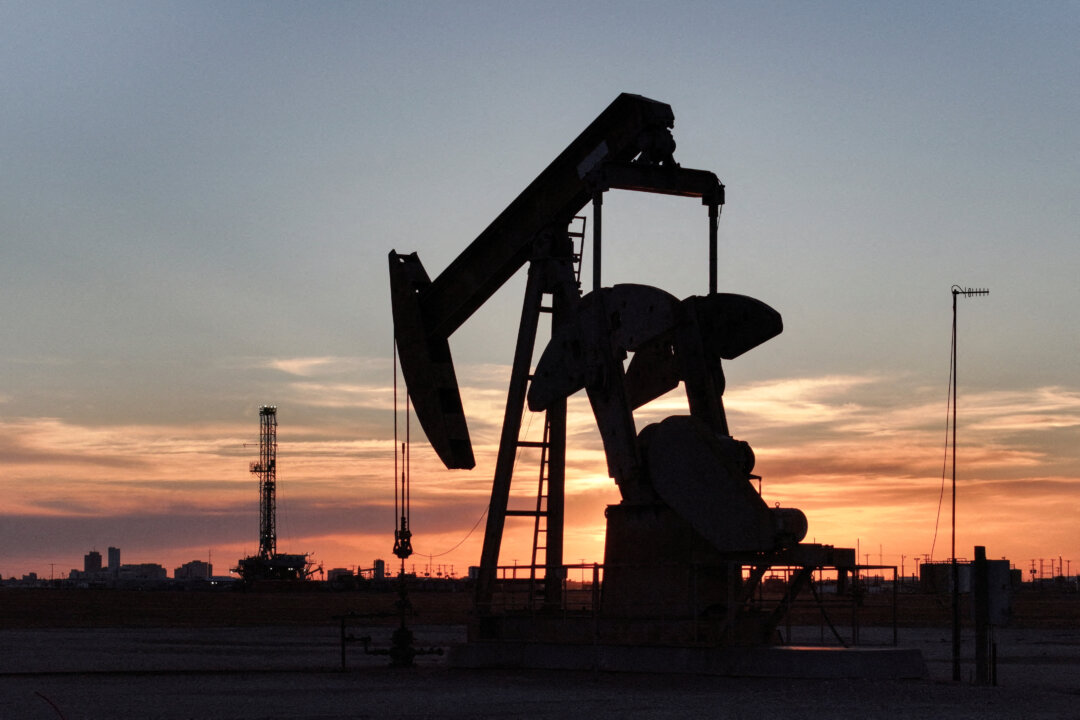
Oil prices climbed more than 2 percent on Sept. 14, following escalating Houthi attacks on Saudi Arabia, strikes on commercial shipping in the Strait of Hormuz, and the shutdown of a key Saudi oil pipeline, as traders weigh the risk of broader disruptions.
Brent crude futures rose $2.93, or 2.8 percent, to $107.54 a barrel as of 7 a.m. GMT, while U.S. West Texas Intermediate futures gained $2.88, or 2.9 percent, to $102.93 per barrel.
The latest gains came after forces of the Iran-aligned Houthi terrorist organization carried out attacks on Saudi Arabia, the world’s largest crude oil exporter.
Saudi Press Agency said on Sept. 12 that air defenses in the kingdom’s Jazan Region responded to a projectile fired by the Houthis. According to the agency, the attack injured two people and caused damage to a mosque, buildings, and vehicles.
Last week, Saudi authorities said that Houthi missile and drone strikes hit energy infrastructure and civilian sites in its southern region, targeting facilities in Abha, Khamis Mushait, Jazan, and Najran.
Houthi military spokesperson Brig. Gen. Yahya Saree said on Sept. 14 that the group had carried out attacks targeting military facilities at King Khalid Airbase in Khamis Mushait.
Saudi authorities had not confirmed the claim or the attack at the time of publication.
Separately, the Houthis captured Perim Island, also known as Mayyun Island, on Sept. 11. The island sits in the Bab al-Mandeb Strait, a strategic waterway linking the Red Sea and the Gulf of Aden; its capture gives the terror group greater control over the shipping corridor.
Maritime security concerns also intensified after the United Kingdom Maritime Trade Operations (UKMTO) said it received a report on Sept. 13 that a vessel transiting the Strait of Hormuz had been struck by an unknown projectile.
Iranian state media IRNA reported that a commercial container carrier with 10 crew members aboard had been hit by a projectile in the Strait of Hormuz on Sept. 13. According to IRNA, one crew member was killed and four others were injured.
Export Lifeline
The attacks on Saudi facilities and the Sept. 11 shutdown of the kingdom’s East–West crude oil pipeline following a drone strike have focused market attention on infrastructure that allows Saudi Arabia to export crude while bypassing the Strait of Hormuz.
The East–West Pipeline carries crude from the Abqaiq oil field in eastern Saudi Arabia to the Red Sea port of Yanbu.

A satellite image shows black smoke rising from an area of Saudi Arabia’s East-West oil pipeline south of Medina, Hejaz Region, Saudi Arabia, on Sept. 10, 2026. European Union/Copernicus Sentinel-3/Reuters
Analysts said investors were increasingly weighing the risk of simultaneous disruptions to multiple Middle East export routes, even if such an outcome remains unlikely.
“If you want to be a doomer, then you’re going to say, okay, the Houthis are going to blockade the Bab al-Mandab. The Iranians are going to shut down the Strait of Hormuz and the East-West Pipeline is going to be shut,” Robin Brooks, a senior fellow at the Brookings Institution, said on Sept. 13.
“Then we really are in a shortfall of 20 million barrels of oil per day in the global oil market. So that’s basically 20 percent of global daily production.”
Brooks said such a scenario could drive oil prices “significantly higher,” making prices of “$150 or $200” a barrel conceivable, but stressed it represented “a total tail risk” with “a very, very low” probability.
Regional Talks
The latest escalation unfolded as regional diplomatic efforts faced a setback. Omani Foreign Minister Badr Albusaidi said on Sept. 13 that a regional meeting on the Strait of Hormuz scheduled to take place in Salalah had been postponed.
“In the interests of consensus, the regional meeting set for tomorrow in Salalah has been postponed,” Albusaidi wrote on X. “We remain committed to fostering dialogue that supports stability and lasting cooperation in our region.”
Oman has emerged as a key mediator in the conflict, reflecting its decades-long role as a trusted channel to Tehran.
The sultanate also has a direct interest in maintaining shipping through the Strait of Hormuz, with the waterway’s southern shore lying along its coastline.
President Donald Trump has previously warned Oman against interfering with U.S. efforts to enforce a blockade on Iranian shipping.



Ukraine Doubled Its Missile Range in 4 Years, Australia Is Being Warned to Adapt Just as Quickly
GOLD COAST, Australia–Australia can no longer rely on its geographic isolation to...

Health Department Reveals Rebate Cut Could Add $100 to $300 to Insurance Premiums
Officials from the Department of Health, Disability and Ageing and Treasury have...
More Than 30 Missing From Ferry That Sank in Vanuatu
More than 30 missing from ferry that sank in Vanuatu. Screenshot via...

Australia-US Deal Could Cut Approvals Time for Space Missions
Australian government officials have told a federal parliamentary committee that a new...