Health Department Reveals Rebate Cut Could Add $100 to $300 to Insurance Premiums
 Rex WiderstromUpdated 2 hours Ago2 Mins read
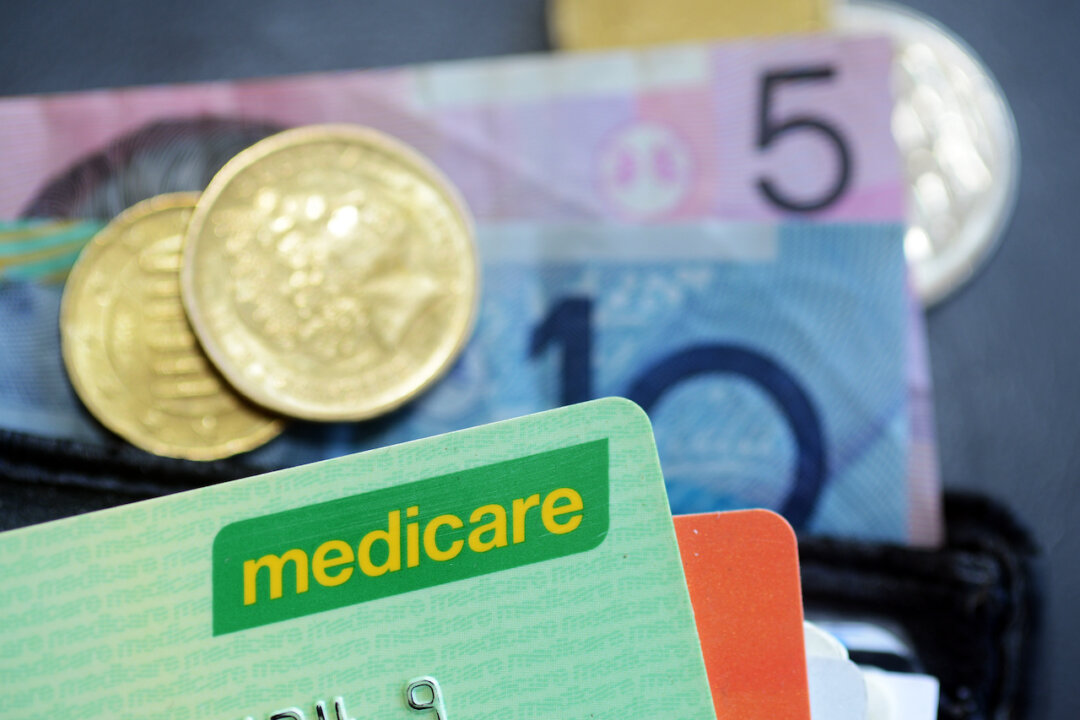
Officials from the Department of Health, Disability and Ageing and Treasury have faced extended questioning from a Senate committee regarding proposed cuts to the private health rebate set to push 44,000 older Australians onto the public system.
The Private Health Insurance Amendment (Modernising the Private Health Insurance Rebate) Bill implements a 2026-27 budget measure to remove the higher, age-based rebate currently paid to Australians aged 65 and over from April 1, 2027.
Under current settings, people aged 65 to 69 and those 70 and over receive a higher rebate than younger policyholders in the same income tier—up to just over 28 percent and 32 percent respectively in the base income tier, compared with just over 24 percent for people under 65.
Department officials said the new change would allow a “simplified and more equitable distribution” of government support for private health insurance, with an estimated $3 billion in savings over four years from 2026/27 to be reinvested in the aged care sector, including additional residential aged care beds and home care support.
In response to questions from the Senate Community Affairs Legislation Committee, Duncan Young, first assistant secretary of the Health Department’s Evidence and Research Division, said the 44,000 figure came from a statistical model it had used for roughly 10 years.
That model forecasts private health insurance participation, drawing on data including Australian Bureau of Statistics population projections, Australian Taxation Office and Services Australia rebate data, and private health insurance statements dating to 2012.
He said the model was accurate, having tracked actual budget outcomes to within one percent margin of error over the past six to seven years.
Young told the committee about 3.2 million Australians aged 65 and over currently hold private health insurance, of whom roughly 1.2 million receive some form of pension and about 700,000 receive a full pension.
Premiums Could Increase $100 to $300
Senator Anne Ruston pressed for the release of underlying modelling data, saying documents provided in response to a Freedom of Information request had been heavily redacted.
Ross Hawkins, acting deputy secretary of the department’s System Strategy Group, denied the Department withheld information and said it had responded to Senate estimates and FOI requests.
The Department initially told the committee the average annual premium increase for affected policyholders was $252, before Paul McBride, assistant secretary of the department’s Private Health Strategy Branch, gave a more detailed breakdown showing the average impact for those on the base income tier aged over 65 was $243 a year, which he said was “more accurate” than the earlier figure.
The Department’s submission (pdf) separately states the change in rebate per person is $104 for those aged 65 to 69, and $261 for those aged 70 and over.
Hawkins said the average premium impact for “gold” cover holders was around $300.
Officials acknowledged some policyholders were likely to downgrade their cover but said they had not modelled how many, citing an existing year-on-year downgrade trend of about 2 to 3 percent across the insured population.
In July, a Canstar report revealed that 52 percent of surveyed policyholders said they planned to review or alter their cover following the latest increase in premiums, of 4.41 percent from April.
McBride said many older Australians who downgraded from gold to cheaper “silver plus” products still retained cover for frequently used services such as joint replacements, cataracts, and dialysis.
Officials estimated that if everyone who dropped cover under the measure moved to the public hospital system, it would increase public hospital demand by less than 1 percent.
Treasury’s Felix Donovan told the committee the $3 billion in reinvestment plan was not set out in legislation, meaning a future government could redirect the funds to other purposes.




Oil Rises More Than 2 percent Following Houthi Attacks on Saudi Arabia, Pipeline Shutdown
Oil prices climbed more than 2 percent on Sept. 14, following escalating...
Ukraine Doubled Its Missile Range in 4 Years, Australia Is Being Warned to Adapt Just as Quickly
GOLD COAST, Australia–Australia can no longer rely on its geographic isolation to...
More Than 30 Missing From Ferry That Sank in Vanuatu
More than 30 missing from ferry that sank in Vanuatu. Screenshot via...
Australia-US Deal Could Cut Approvals Time for Space Missions
Australian government officials have told a federal parliamentary committee that a new...