Trump Says Countries Should Reimburse US for Strait of Hormuz Help
 Jack PhillipsUpdated 4 hours Ago2 Mins read
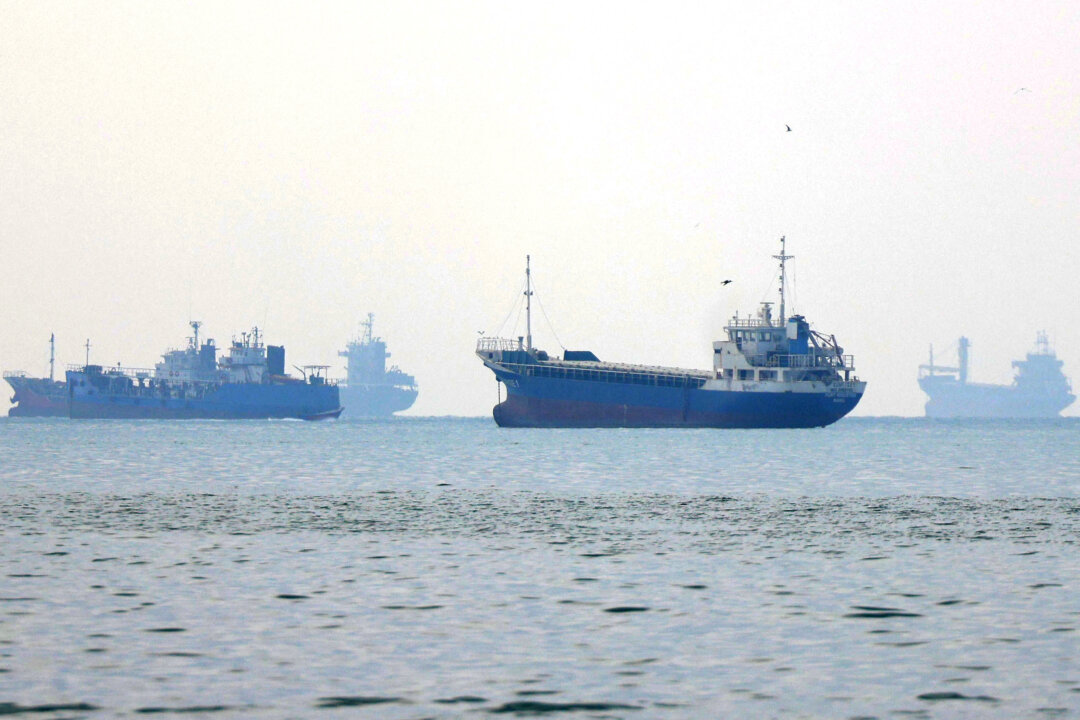

Vessels transit the Hormuz Strait off the coast of Iran’s southern port city of Bandar Abbas on Sept. 7, 2026. Iran’s top negotiator threatened on Sept. 6 a more forceful response to any further U.S. attacks after Tehran targeted American warships in their latest round of clashes. (Photo by ATTA KENARE / AFP) /
U.S. President Donald Trump on Monday said that countries should reimburse the United States for its military efforts in trying to get oil through the Strait of Hormuz amid the Iran war.
Trump said that oil is continuing to flow through the strait, a critical route for crude oil and natural gas shipments, although both the Brent crude international benchmark and U.S. West Texas International oil prices remained above $100 per barrel on Monday.
“Oil is flowing through the Hormuz Strait. The Countries of the World, which have been no help to us whatsoever, should, and will, reimburse the United States of America when” the war ends, he wrote in a post on Truth Social.
“We are doing it much more for others, than we are for ourselves, and we have been for Generations,” Trump added.
Earlier this year, Trump had sought assistance from NATO allies such as France and the United Kingdom as well as from China and South Korea in securing the Strait of Hormuz.
Also Monday, Trump said that his administration would be open to the idea of negotiations with Iran and that Tehran has said it wants to come to an agreement on ending the war.
“The failing Nation of Iran wants to make a deal, quickly and badly. I will determine whether or not the U.S.A. will choose to engage — The concept of which we are open to,” Trump wrote in a separate post on Truth Social earlier in the day.
Negotiations that were held between Washington and Tehran fell through over the summer, leading to sporadic tit-for-tat strikes around the Strait of Hormuz. American forces have continued to maintain a naval blockade against Iran, redirecting 101 ships, according to the U.S. Central Command on Sunday.
It comes as the Iran-backed Houthi terrorist group in Yemen said it fired dozens of missiles and drones at a military airbase in Khamis Mushait in southern Saudi Arabia, targeting aircraft hangars, radar systems, runways, and ammunition depots in retaliation for Saudi airstrikes in Yemen.
Saudi authorities issued emergency alerts there and in three other southern cities that have previously come under Houthi fire.
The Houthis have advanced rapidly in Yemen in recent days, capturing territory including Perim Island at the mouth of the Red Sea on Friday. A separate attack the same day, which Riyadh blamed on Iran-backed fighters in Iraq, knocked out Saudi Arabia’s East-West oil pipeline, a key route that allows Gulf oil exports to bypass the blockaded Strait of Hormuz.
The United States bombed Houthi targets for two months in 2025 before Trump halted the campaign after reaching a ceasefire with the group.
Trump, who was attending a golf tournament at his resort in Ireland, told reporters over the weekend he expected the Iran war to end shortly after November’s U.S. midterm elections, after which oil prices would “drop like a rock.”
Speaking to reporters on Monday, U.S. Vice President JD Vance said the Trump administration is in communication with the Houthis and is “very much on top” of the group’s advance through Yemen.
Reuters contributed to this report.





Airbnb Commits $250 Million to Help Finance Housing Projects
The Airbnb app on a smartphone in this photo illustration taken on...
US 10-year Yield Hits 5 Percent, Highest Since 2023
The benchmark Treasury yield rose above 5 percent on Monday as investors...

Finland Joins French Nuclear Deterrence Program
Finland has joined the French nuclear defense initiative, known as Forward Deterrence,...

China’s Growing Auto Presence Forces Europe to Rethink Its Car Industry
As Chinese automakers gain ground in Europe, the continent’s car industry is...