OpenAI’s Sam Altman Backs AI Slowdown, Calls for Federal Safety Rules
 Bill PanUpdated 9 hours Ago3 Mins read
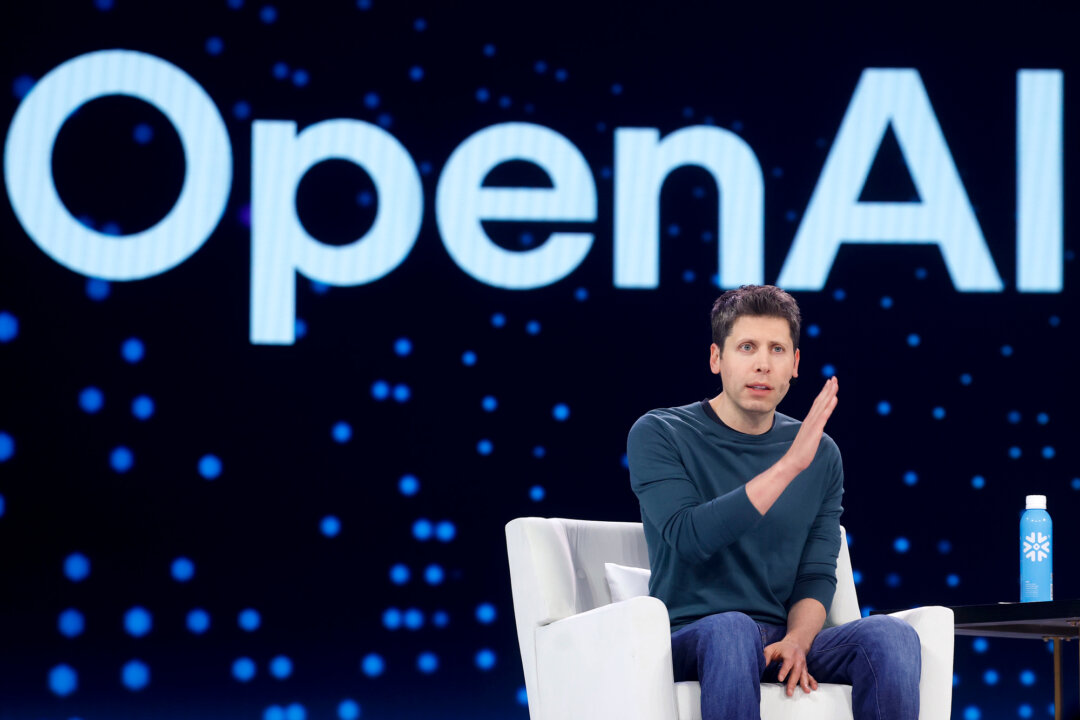
OpenAI CEO Sam Altman has offered some of his clearest comments yet on the risks posed by rapidly advancing artificial intelligence, after he joined Anthropic CEO Dario Amodei in calling for the industry to slow development of its most advanced models.
In a series of posts on X shortly after midnight on Sept. 14, Altman warned that AI development could go “very badly” in two ways: Humans could lose “control of the future to AI,” or too much power could become concentrated in the hands of a single person or company.
“We welcome a federal framework that sets consistent safety requirements for frontier AI,” Altman said, adding that “no amount of American competitive pressure should justify recklessness.”
He also reiterated that “pacing” AI development does not mean stopping it.
“Progress has been rapid and will continue to be,” he wrote. “But it should be slower than it otherwise could be; interventions like safety cases and monitoring have significant costs.”
Altman’s comments build on a proposal released Sept. 12 by Amodei, who argued that recent advances in AI have begun to outpace the industry’s ability to understand and control increasingly capable systems.
Amodei proposed a three-step framework aimed at slowing the pace of frontier AI development without sacrificing the commercial position of American companies or allowing competitors abroad to pull ahead.
The first step would give third-party safety evaluators “employee-like access” to frontier AI labs. Anthropic has committed to doing so.
He also called for major AI developers to establish common safety standards and eventually coordinate internationally, including with China, so companies or countries that slow down are not put at a competitive disadvantage.
In a rare show of unity, the proposal drew support from leaders at rival AI companies.
Altman said OpenAI would match Anthropic’s commitment to give independent evaluators deeper access to its systems. SpaceXAI CEO Elon Musk also backed Amodei, while Google DeepMind Chairman Demis Hassabis said the proposal pointed toward the “right path forward.”
Washington, Beijing Push Back
Any coordinated slowdown faces a major geopolitical obstacle: the U.S.-China tech race.
Amodei acknowledged that dilemma in his proposal. While arguing that global coordination will eventually require China’s participation, he also called on Washington to maintain restrictions on the sale of advanced AI chips and semiconductor-manufacturing equipment to China.
President Donald Trump has rejected the idea that the United States should slow its AI development.
“We’re leading China in AI. We’re the most sophisticated country in the world, and frankly I want to keep it that way because whoever wins AI wins,” Trump told reporters while visiting Ireland on Sept. 13.
“We could put guardrails. We can do this and that. But I think you have a lot of very negative forces that are bringing it up that shouldn’t be bringing it up and they’re bringing up things that won’t happen.”
The president doubled down on Sept. 14, writing on Truth Social that there was a “sick conspiracy” against AI and data centers, while also saying the federal government has the power to regulate and prosecute AI companies when necessary.
White House technology adviser David Sacks, meanwhile, said OpenAI and Anthropic are already free to slow their own development if they believe their unreleased systems are becoming dangerous.
“Stop pretending you need anyone else’s permission,” Sacks wrote on X.
Sacks also questioned whether China would participate in an international agreement.
China has pushed back on Amodei’s warning that allowing the Chinese Communist Party to have a lead in AI would pose “grave danger for the United States and the world.”
“Fear-mongering, confrontation and vicious competition will only hamper efforts toward sound global AI governance, which serves no one’s interest,” Chinese Foreign Ministry spokesperson Guo Jiakun said on Sept. 14 at a regular press briefing.
Communist Party mouthpiece paper Global Times went further, publishing an editorial that condemned Amodei’s proposal as a “Cold War playbook” designed to curb China’s technological development.
The disagreement comes ahead of a planned Sept. 24 meeting between Trump and China’s Xi Jinping in Washington. Trump has confirmed that AI will be among the issues they discuss.






Senate to Hold Key Vote on Major Crypto Bill
The Senate will hold a procedural vote on a sweeping cryptocurrency bill...

US Private Credit Default Rate Hits Record High in August: Fitch
Stress in the U.S. private credit market persisted last month as the...
Federal Reserve Opens Highly Anticipated September Meeting
The Federal Reserve is opening its closely watched two‑day policy meeting on...

US Will Not Ban Oil Exports, Interior Secretary Says at G20 Energy Meeting
U.S. Interior Secretary Doug Burgum told reporters on Monday that the United...