Introducing Starter Packs, an initiative from Canada’s National Observer to help you dive into complex topics if you haven’t been keeping up on all the news. More about Starter Packs here.
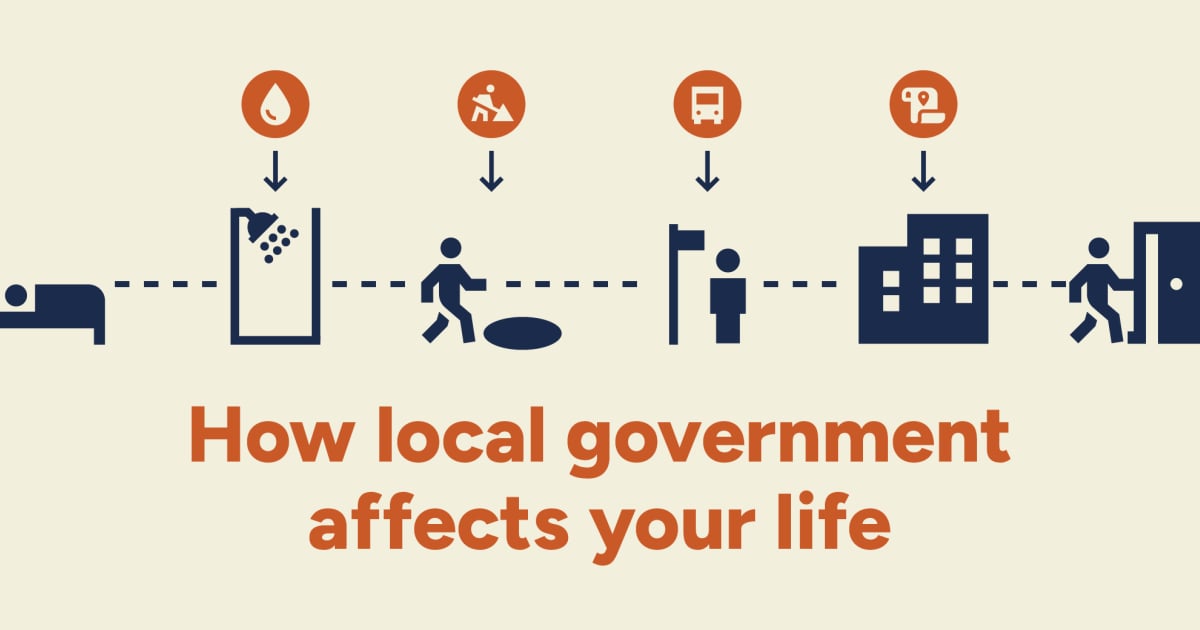
Local governments cover much of the stuff Canadians interact with on a daily basis. Municipalities, like towns and cities, are the most straightforward type of local government — and what they do tends to affect your day-to-day life a great deal more than what the provincial or federal government does.
Think things like garbage collection or where sidewalks go: municipalities are responsible for your community’s social services, safety and infrastructure like roads and parks. They hand out permits for events and keep public transit running. They also decide what goes where — like houses, apartments, businesses and city services like fire stations.
Local governments pay for all of this with revenue from property taxes, plus some funding from provincial and federal governments. Elected municipal councils, including mayors, decide how much to tax residents and what to pay for with that money.
Each province and territory decides how to organize its local governments, and some provinces group smaller geographic areas into regional municipalities. In Ontario, for example, the Regional Municipality of Peel includes two cities and one town: Brampton, Mississauga and Caledon. Regional municipalities deal with things that are easier (or cheaper) to manage for a bigger population, such as wastewater treatment and police services. Things used by an individual community, like a library or fire services, are the responsibility of local municipalities.
Since municipalities are the most local form of government, they tend to be on the front line of social issues. Homelessness and the opioid crisis, for example, aren’t caused by local policy, but municipalities are tasked with addressing those challenges.
Efforts to solve those problems can also bring municipalities into fights with other levels of government. To carry on with the example above, local governments are responsible for shelters and community mental health services; but it’s up to the province and the federal government to decide whether some measures are allowed, like safe consumption sites.
As another example, the housing affordability crisis has been blamed on everything from bank interest rates to street-level protest over new homes. Municipalities can work on some of that — like approving lots of new housing to bring prices down — but not all of it.
Your local government shoulders a great deal of responsibility for your health, safety and wellbeing. Understanding the role of municipalities can empower you to participate in local government and engage with your elected officials.
If you’re interested in finding the beat-by-beat actions of your local government, try out Civic Searchlight, our free tool for searching municipal meetings.
Glossary:
Municipality: A local government, like a town or city.
Zoning: A way that local governments control what can be built, where.
Bylaw: A law passed by a local government, which only affects people who live there (like the rules around parking).
Council: The elected representatives who make decisions about what the government does. In most municipalities, the mayor oversees the work of council.
Go Deeper:
Alberta tables gatekeeper bill to prevent municipalities from dealing directly with feds
Feds consider bigger role for local government in climate fight


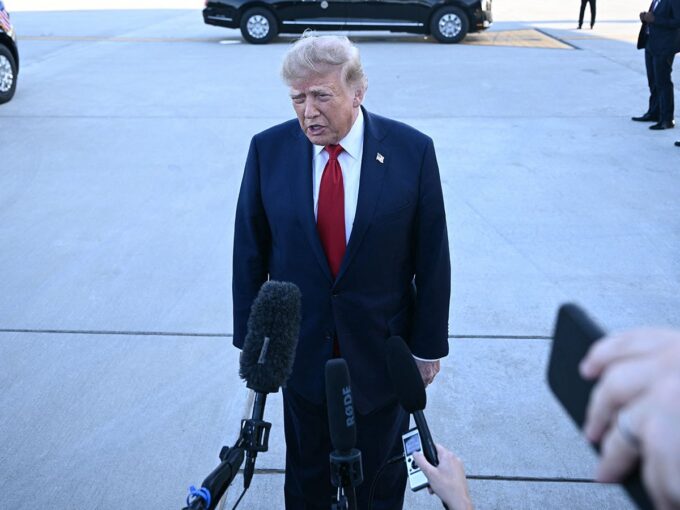
Trump threatens to cut trade with EU if Canada association proposal is ‘at all a hostile act’
U.S. President Donald Trump speaks to reporters at Charlotte Douglas International Airport...
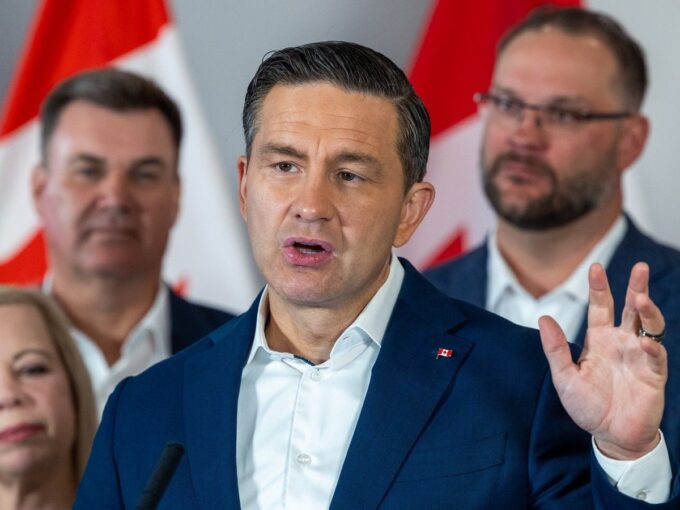
‘Canadians are out of money’: Facing big challenges, Poilievre promises big cuts
Conservative Party Leader Pierre Poilievre speaks during a press conference in Regina,...
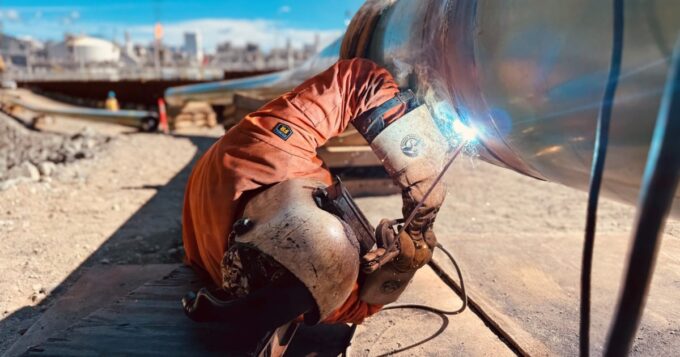
Australian gas giant signs deal for LNG from $30 billion Ksi Lisims BC megaproject
Developers of Canada’s $30 billion Ksi Lisims liquefied natural gas project have signed...
The Alberta NDP still needs an economic story
The Alberta NDP shocked almost everyone by winning a byelection in a...