Australia to Ban Foreign Students From Bringing Family Members Amid Migration Overhaul
 Crystal-Rose JonesUpdated 4 hours Ago2 Mins read
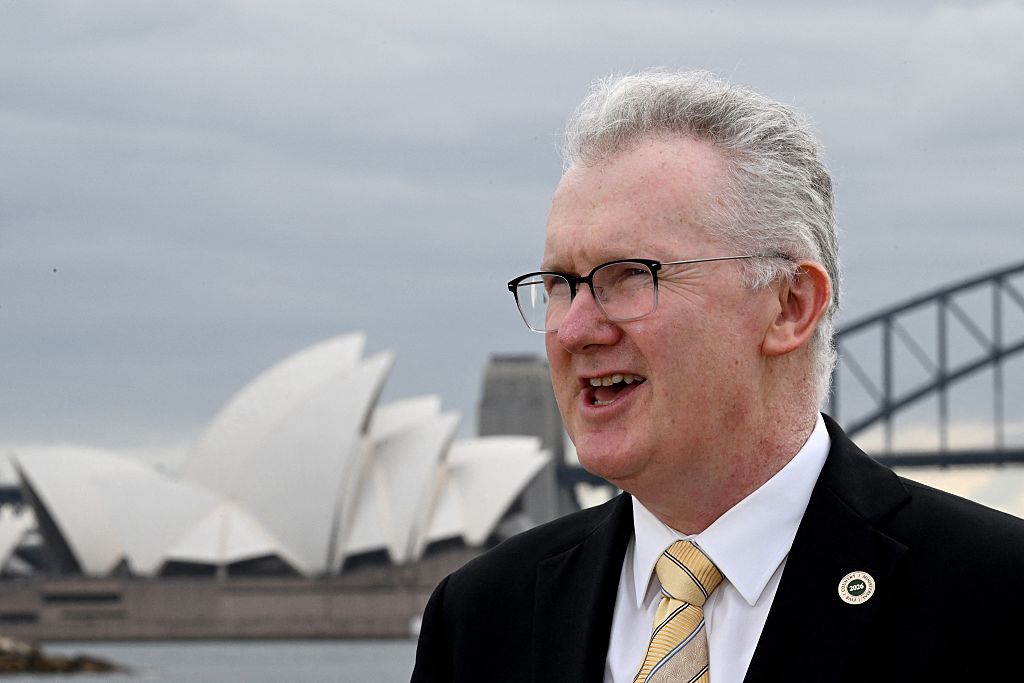
Australia will bar foreign students from bringing family members into the country, and dramatically cut working backpacker numbers, amid a broad shake-up of the country’s migration policy.
Speaking at Canberra’s National Press Club on Sept. 17, Immigration Minister Tony Burke outlined the new rules, which was delayed last month due to disagreement in cabinet.
Labor will try to slow population growth by bringing migration down from 292,100 to 245,000 in the year to July 2027, and 225,000 each year thereafter.
Under the changes, international students will no longer be allowed to bring family members to Australia, except for PhD students, while working holiday visa holders will find it harder to remain in the country for a second or third year.
Additionally, the government will attempt to stop “visa hopping” by temporary migrants, requiring foreign students transfer to higher-level courses (like bachelors or master’s) to extend their visa.
Most visitors to Australia will also be prevented from applying for other visa types while in the country.
“We will no longer be allowing the attaching of family members for international students or for graduate visas,” Burke said.
“Anyone who already has their family attached to a visa and is already here, we’re not going to be breaking up families on-shore.”
The minister also pointed to what he called a “double standard” with visitor visas, where someone might apply for a visa to join their partner in Australia to jump the queue.
Normally, an offshore person can apply for a partner visa and must wait two years for it to process. But Burke says some people are not mentioning that their partner is already in Australia, and when they arrive they apply for another visa and receive a bridging visa in the meantime.
The government says the changes are part of a broader push to reduce migration, while directing more skilled migrants towards industries short on workers including housing construction, fisheries, mining, farming, and teaching.
Ballot System for Working Holiday Visas
Working holiday makers will still be able to come for a first year and complete 88 days of work in the regions, but to qualify for a second year they must go through a ballot system capped at 45,000 places, a reduction of 12,000 on last year’s numbers.
There will only be 5,000 places available for the third year, which was introduced during COVID and in 2025, about 31,000 backpackers were in Australia on their third year.
The processing of those visas will end for everyone except British citizens, according to AAP.
Authorities will also be allowed to hire an extra 100 compliance officers and 250 additional detention beds for visa-overstayers.
People who overstay their visas will be sent to detention centres, with about 77,000 estimated to still be in the community.
“So migration agents who encourage the exact sort of behavior of non-meritorious claims that I just described will be able to be sanctioned and will be able to be deregistered,” Burke warned.
Asked about the fact that half of new citizens do not repeat the oath of affirmation or pledge their loyalty to Australia during citizenship ceremonies, Burke replied, “It’s up to them.”
Migrants Not to Blame for Housing Woes, Minister Says
The minister also said migration was not the cause, but the solution, to Australia’s housing woes.
“Housing and the housing shortage we have is not caused by immigration, but immigration needs to be part of the solution for the housing crisis,” Burke said.
He said that the population since the Hawke Labor government era had increased by 75 percent, while the amount of homes was up 100 percent.
“How on earth did we end up with a housing problem if they’re the stats?” he said.
“And the answer is really simple. Back then… the number of people per household was 2.9. It’s now 2.5.
“Every time we get a 0.1 change, a 0.1 change in the number of people per household, we have to find an additional 450,000 homes.”




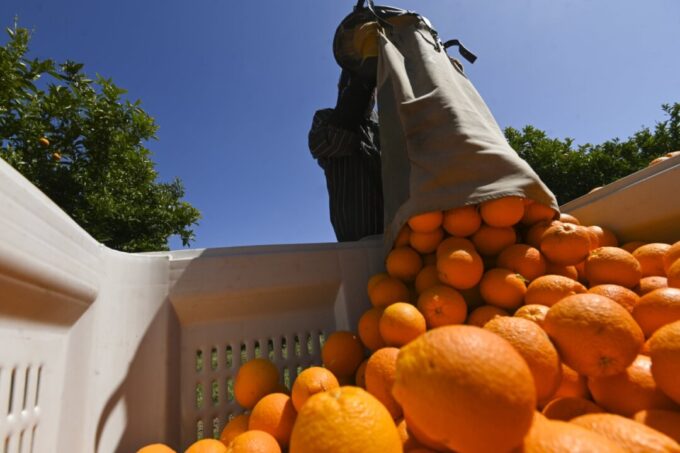
Australia Cuts Backpacker Places as Farming, Tourism Warn of Shortages
The federal government is sharply cutting the number of working holidaymakers allowed...
20 Terrorism Offenders Set for Release by 2030 as Parliament Debates New Monitoring Powers
With 20 terrorism-related offenders due for release from custody before 2030, Australia’s...

Ontario ERs Seeing More Males Visit for Gambling Disorders Since Expansion of Online Betting: Study
Online gambling disorders have become a noticeable problem in emergency departments across...
Fiji Declares HIV National Crisis as Diagnoses Surge
The port in Suva, Fiji, on Sept. 5, 2024. Kirsty Needham/ReutersWELLINGTON—Fiji has...