Australia Cuts Backpacker Places as Farming, Tourism Warn of Shortages
 Crystal-Rose JonesUpdated 3 hours Ago2 Mins read
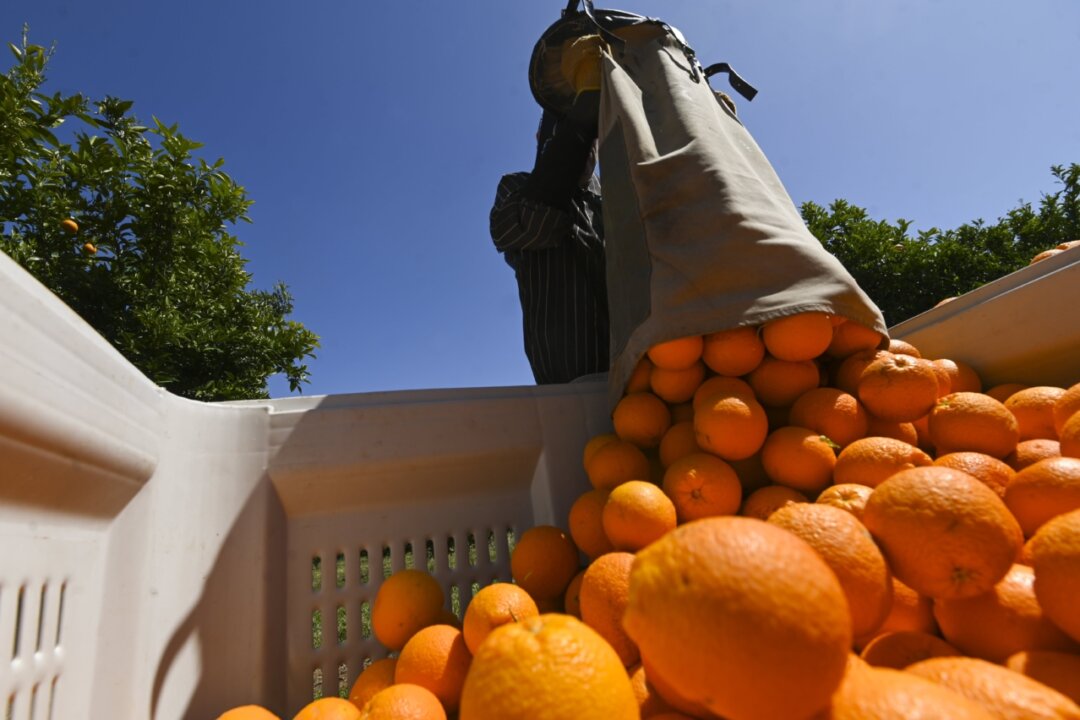
The federal government is sharply cutting the number of working holidaymakers allowed to stay in Australia, with farming and tourism bodies warning the move could worsen regional labour shortages.
Second-year working holidaymaker places will be capped at 45,000, while third-year places will be cut to 5,000, under changes announced by Immigration Minister Tony Burke on Sept. 17.
The 45,000 second-year places will be allocated by ballot, 12,000 fewer than last year. Third-year places will fall from 31,000 participants in 2025 to 5,000.
The reductions are part of the federal government’s wider push to slow population growth by bringing migration down from 292,100 to 245,000 in the year to July 2027, and 225,000 each year thereafter.
‘A Low Blow’: Farmers Fear Labour Crunch
But the National Farmers Federation (NFF) says the changes could put food security, regional economies, and farm safety at risk.
NFF president Hamish McIntyre called the changes a “low blow,” saying the government’s three-month visa processing target, while an improvement on current delays, remained significantly slower than previous processing times.
“Farmers need approvals in days, not months,” he said.
“For many farms, three months is the difference between harvesting a crop and losing it.”
McIntyre said backpackers filled one in seven farm jobs, making them central to the industry.
“Every extra day of uncertainty pushes safety risks and stress onto farmers and workers already carrying unsustainable workloads,” he said.
McIntyre said the changes have come as the sector was already facing challenges including lower profits, partly due to rising fuel and fertiliser costs.
Backpackers Could Do the Work and Miss Out
Meanwhile, the Queensland Tourism Industry Council (QTIC) has estimated the changes result in a national loss of 38,000 regional backpackers, which it says will impact tourism operators “already struggling to find workers.”
QTIC CEO Natassia Wheeler questioned the government’s decision to require working holidaymakers to complete the 88 days of work needed to qualify for a second year in Australia without giving them certainty they could return.
“Under the new system, they can do everything asked of them and still lose their place in a ballot,” she said.
“Why would a young traveller leave the city and complete three months of regional work when there is no longer certainty of receiving a second visa?
“The workforce impact will begin during their first year, long before the ballot is held.”
Wheeler said the changes to third-year eligibility were even more concerning because, under the current system, backpackers must undertake six months of specified work during their second year to qualify for a third.
“Reducing third-year availability to just 5,000 places undermines that incentive at the source,” she said.
Like McIntyre, Wheeler says a three-month processing time is too long.
“Australia will lose young travellers to countries offering clearer pathways and quicker decisions,” she said.
Government Defends Caps as Population Control
Addressing the National Press Club in Canberra on Sept. 17, Burke defended the policy, explaining that the sharpest drop-off in numbers would naturally occur in the third year.
“Ultimately the year where … you get the definite drop-off in significant numbers is actually year three, and year three is the year where there is no obligation to work in the regions at all,” he said.
Burke said backpackers would still be expected to complete the required work to be eligible for the ballot for a second or third year.
“Not everybody will get through because we need to have some control and the certainty of what those numbers are,” he said.
One Nation has said it would not change working holidaymaker numbers under its migraiton policy.
The Epoch Times contacted Burke’s office for comment but was told the minister had no further comment.







Carney says closer EU ties ‘about sovereignty,’ but here’s what being part of the EU could mean giving up
European Commission President Ursula von der Leyen delivers a speech during her...
King Charles issues rare statement disputing claims from Princess Diana’s brother
Princess Diana died in a car crash in Paris aged 36. Photo...

Judge sends Hamilton fentanyl dealer to prison despite ‘immigration consequences’
Hamilton's John Sopinka Courthouse. Photo by Peter J. Thompson /National PostArticle contentA...
Carney welcomes EU’s ‘associate member’ plan, while Trump lashes out
Article contentHe would also like Canada to join Erasmus+, a 26.2 billion...