The Newfoundland and Labrador government has voted in favour of a multi-billion dollar agreement to share energy from Labrador with Hydro-Québec, though it passed by a thin margin.
The province’s 20 governing Progressive Conservatives rose in the legislature Thursday night in favour of the draft deal. One Independent member joined them.
The remaining 18 members — 15 Liberals, two New Democrats and one Independent — stood to oppose.
The draft deal came after years of negotiations, one change in government and a renegotiation process. It has inspired anxiety, anger and hope in a province desperate to end a history of hydroelectric failures and persistent crushing debt.
Thursday’s vote came after a four-day debate about the non-binding agreement, which proposes plans for more than $50 billion worth of hydro and wind energy developments along the Churchill River. The sprawling river cuts through south-central Labrador — and through traditional Innu territory — and has long been cast as a provincial Crown jewel for its roaring hydroelectric potential.
The Innu Nation urged government representatives to vote against the agreement, citing ongoing disputes with the province and worries the draft deal did not include sufficient benefits for Innu people.
“We cannot support an agreement that asks Innu to accept the impacts and risks of major development while the financial benefits go elsewhere,” a spokesperson for the nation wrote in a release published Thursday evening.
Hydro-Québec and Newfoundland and Labrador Hydro co-own and operate a 5,248-megawatt generating station on the river, at Churchill Falls, which is said to be among the largest underground powerhouses in the world.
However, the plant has long been a source of resentment in Newfoundland and Labrador toward Quebec. Under its current operating contract, signed in 1969, Hydro-Québec buys the lion’s share of the energy from Churchill Falls for just a fraction of a cent per kilowatt hour.
The plant supplies about 15 per cent of Quebec’s energy, for a price that many describe as little more than free.
The new agreement would end the contentious arrangement 15 years early. Hydro-Québec would still buy most of the Churchill Falls power, but at higher, escalating rates.
The Liberals repeatedly questioned the proposed rate scheme, however, saying it should be based on market prices, rather than the consumer price index.
Liberal Leader John Hogan has said the pricing strategy could once again keep Churchill Fates rates far below market value and leave the province regretting the agreement 50 years in the future, just as it regrets the 1969 contract now.
“We have not insisted that our province stands to gain from any windfalls gained by Quebec,” Hogan said in his closing remarks Thursday night. “For me, and when it comes to this deal, the lack of protection for our future and for our children … is where I will take a stand.”
The Liberals first hammered out a draft deal with Hydro-Québec in 2024, before the Progressive Conservatives were elected. Wakeham sent negotiators back to Hydro-Québec to ask for different terms.
The agreement outlines plans for several new projects, including a 2,700-megawatt hydroelectric plant at Gull Island. It also proposes feasibility studies for a second powerhouse at Churchill Falls and a wind farm in the Churchill River area.
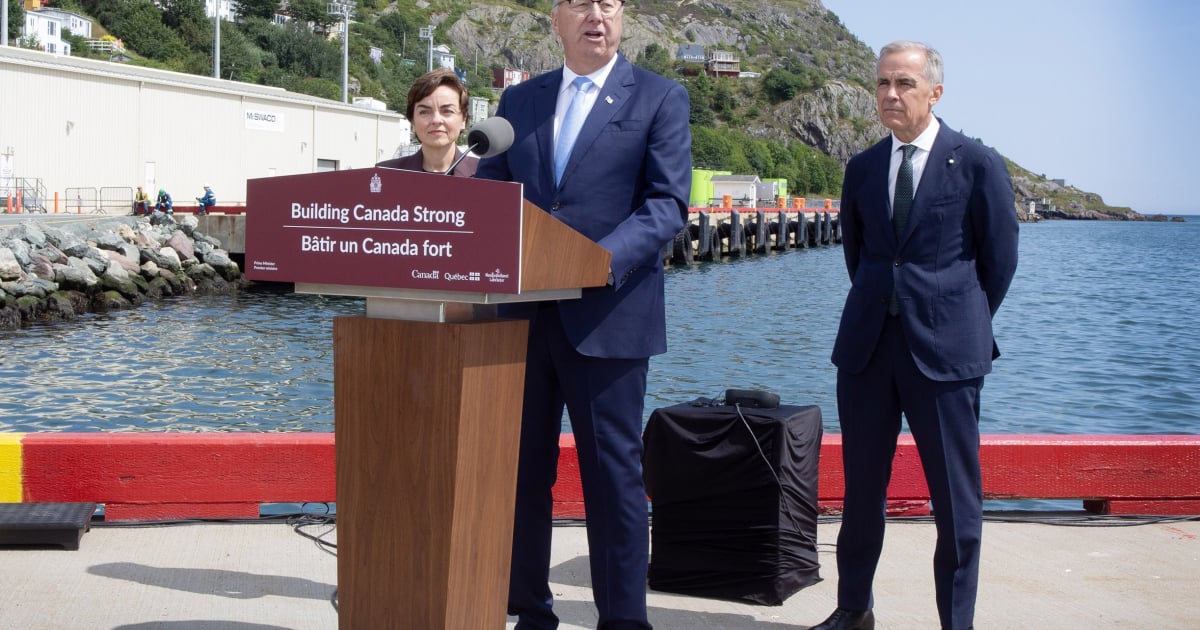
Prime Minister Mark Carney has touted the deal as “the largest clean energy investment in North American history” and his government has promised $10 billion in financing to help it along.
Officials hope to reach final agreements by the end of the year, though they have until March 31, 2027, which is when the proposal expires.
This report by The Canadian Press was first published Sept. 16, 2026.