New Brunswick coal-fired generating station switching to wood pellets
 Eli RidderUpdated 3 hours Ago2 Mins read
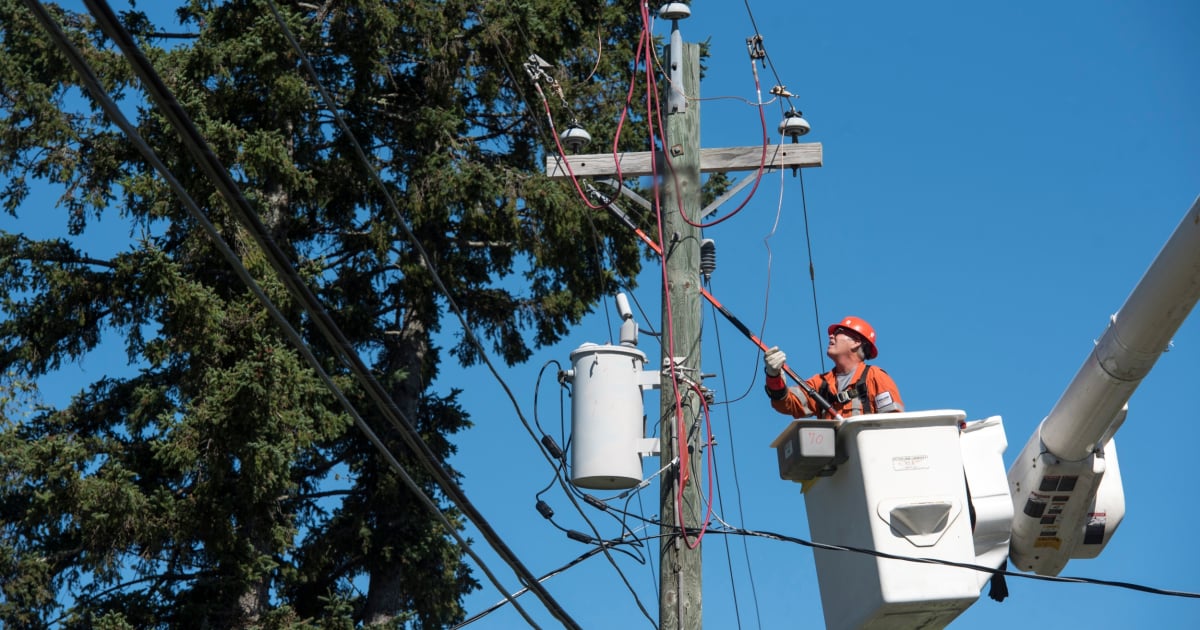
One of Canada’s few remaining coal-fired power plants has taken a big step toward completing its transition to using a renewable source of energy.
NB Power, the province’s Crown-owned utility, announced Thursday it had signed agreements with domestic suppliers of sustainably sourced pellets made from wood and agricultural hemp.
The utility said the new deals secure the majority of the biomass fuel supply the Belledune Generating Station would need to replace the coal it currently uses, which is now purchased from foreign suppliers.
The pellets will be made from residue left behind by forestry operations, including branches and other wood scraps on the forest floor.
To generate electricity, the pellets will be fed into a high-efficiency boiler, creating steam that will spin the generating station’s turbines.
With a supply chain in place, NB Power said it can start making equipment upgrades at the station.
The utility has spent much of the last decade searching for a new fuel source for its plant in northeast New Brunswick. The federal government requires the phase out of coal-fired stations by 2030.
The Belledune station is one of only eight coal-fired power plants in Canada. There are four in Nova Scotia and three in Saskatchewan. Ontario became the first major North American jurisdiction to eliminate coal-fired plants in 2014. Alberta phased them out in 2024.
In New Brunswick, the Belledune plant supplies about 15 per cent of the province’s total electricity needs.
NB Power chief executive Lori Clark said the new supply agreements move the station’s transition to clean energy from planning into execution.
“These milestones give us confidence in the path forward as we continue working to maintain reliable service for customers while preparing for a future without coal,” Clark said in a statement.
The utility’s public timeline shows the Belledune plant’s conversion will be completed between 2028 and 2030.
The plant’s largest supplier is a partnership between a pellet producer, a forestry company and two First Nation communities, known as the Belledune Joint Venture.
Quebec-based Airex Energy, the producer, plans to use an existing industrial building about a kilometre from the generating station to manufacture the pellets.
Airex Energy says the $100-million production facility, which will also use sawmill byproducts, is expected to produce up to 150,000 tonnes of torrefied pellets annually.
Chief Terry Richardson of New Brunswick’s Pabineau First Nation said the plant’s conversion represents “a whole bunch of win-win-win situations.”
Pabineau and the Eel River Bar First Nation have both invested about $10 million into the joint venture for a 10 per cent equity stake, according to Richardson.
Richardson said harvesting forestry waste can help reduce the threat of wildfires and reduce greenhouse gas emissions.
“When we’re taking (the residue) out of the forest, we’re able to actually utilize that,” Richardson said in an interview.
Michel Gagnon, CEO of Airex Energy, said the agreement with NB Power will allow the company to secure more third-party financing and finalize supply agreements with forestry companies and sawmills.
Airex Energy says once its Belledune Torrefied Pellet Plant is completed, it will be the largest of its kind in North America. The project is expected to create 75 jobs at the facility, while helping sustain more than 325 additional forestry jobs.
Gagnon said that by sourcing the materials locally, the province will reduce its dependence on other countries.
He said Airex Energy plans to start producing pellets by the end of 2027 and ramp up to maximum capacity by 2029. As well, he said NB Power can mix in the pellets with coal as part of a gradual phase-in.





Why Canada’s critical minerals motherlode is at the heart of EU ‘alliance’ talks
Canada’s wealth in the minerals, metals and materials key to the global...
N.L. politicians vote in favour of Quebec energy agreement worth billions
The Newfoundland and Labrador government has voted in favour of a multi-billion...

Carney says new EU partnership will go to debate, vote in Parliament
An enhanced partnership with the European Union will be debated and voted...
Canada’s sustainable bond market has a first-timer problem
New issuance fell 30.3 per cent in 2025, with just one newcomer...