Alberta Judge Overturns Cancellation of Academic’s Talk on ‘Woke-ism’ at University of Lethbridge
 Paul Rowan BrianUpdated 5 days Ago3 Mins read
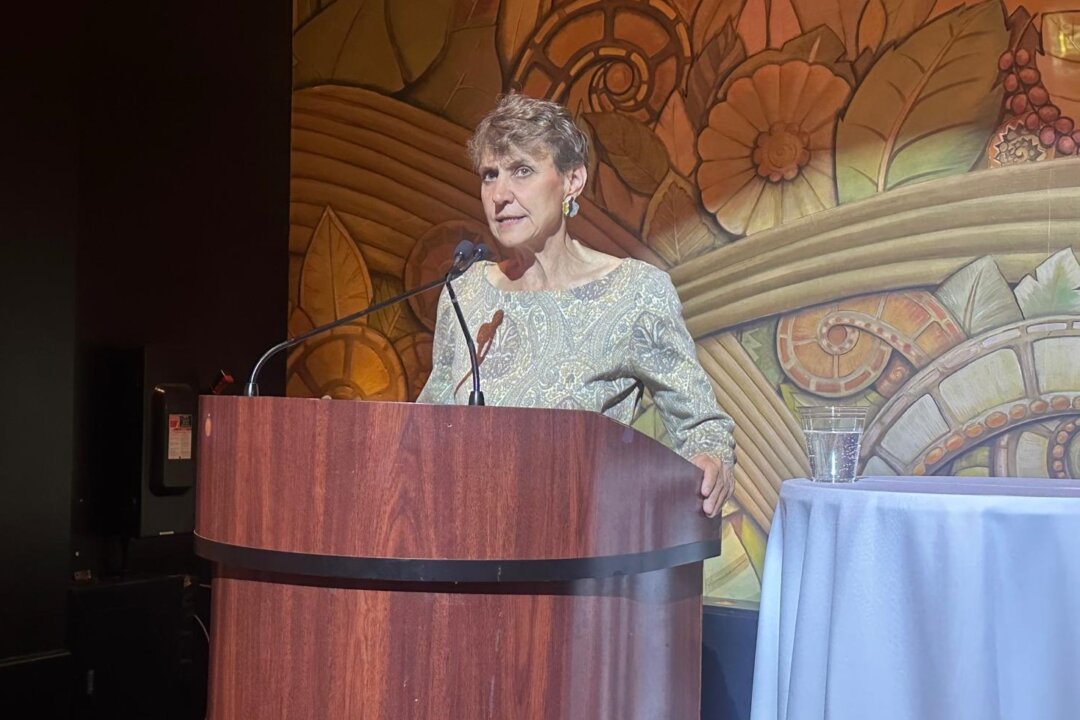
An Alberta judge has overturned a 2023 decision by the University of Lethbridge to cancel a scheduled lecture by former Mount Royal University professor Frances Widdowson.
In his Sept. 17 decision, Justice Christopher Simard of the Alberta Court of King’s Bench found that the university failed to properly take into account Widdowson’s Charter right to free expression when it cancelled her talk entitled “How Woke-ism Threatens Academic Freedom.”
“The university erred in law by not expressly considering and mentioning the Charter in making the Decision,” Simard wrote in his judgment, adding that the university’s decision-making process was “fundamentally and fatally flawed” and ran counter to its own policy of encouraging “free and open critical inquiry.”
“It is clear that the University was knowingly involved in regulating students’ freedom of expression on campus when it made the Decision,” Simard added.
Widdowson’s Talk
Widdowson, a former tenured associate professor at Calgary’s Mount Royal University, has drawn protests at universities for speaking out against identity politics and comments she has made on residential schools. She was dismissed by Mount Royal in 2021 amid disputes over her views, although an arbitrator later found that her being fired was not proportionate to her conduct.
Widdowson’s comments gained widespread public attention after she challenged the 2021 claim by the Tk’emlúps te Secwépemc First Nation that radar had discovered the remains of 215 children at the site of a former residential school in Kamloops, B.C. The alleged burial sites have not been excavated or forensically confirmed.
Widdowson was invited to give her talk in November 2022 by University of Lethbridge philosophy professor Paul Viminitz and had scheduled the lecture for Feb. 1, 2023.
After public notice of the talk, the university received negative criticism from various members of the faculty, student body, alumni, and others, particularly over comments they disagreed with that Widdowson had made regarding residential schools.
On Jan. 26, 2023, then-president of the University of Lethbridge Mike Mahon issued a statement saying that the talk would go ahead due to the university’s respect for free inquiry and free expression.
More complaints followed, and on Jan. 27, the university’s executive team opted to cancel the lecture, and later told Viminitz that the room booked for Widdowson’s talk wasn’t available and no other venue at campus would be provided.
The university also said the cancellation was in order to protect the safety of students, staff, and the university community, due to the opposition to it going forward.
Widdowson, however, still went to the university on Feb. 1, 2023, and was met by a large protest, ultimately completing her talk online.
Judicial Review
Jonah Pickle, an undergraduate neuroscience student at the University of Lethbridge at the time of the controversy, joined Widdowson in seeking a judicial review, arguing that the university’s cancellation violated Section 2(b) of the Canadian Charter of Rights and Freedoms pertaining to free expression and the right to peaceable assembly under Section 2(c).
As the judicial review proceeded, Widdowson again returned to the University of Lethbridge in February of this year for an unscheduled appearance where she once again was met by a protest and was told by the university she was banned from its campus.
She went back several times in April of this year and was arrested April 25 by police after refusing to leave. Police took her off campus and gave her a $600 ticket for trespassing.
Judicial Review
In his judicial review, Simard determined that Charter rights did apply to the university’s decision to cancel Widdowson’s talk because it was governmental in the nature of its decision to hand down decisions as to free expression on campus.
The university argued it only cancelled Widdowson’s room booking and was just regulating university space, an argument Simard rejected.
Simard further noted a 2019 free expression policy maintained by the university that he said permitted the “broadest possible latitude to speak, write, listen, challenge and learn,” something he said the cancellation of Widdowson’s talk breached.
Simard further concluded that the Charter also protected Pickle’s rights as a student, including his right to listen to points of view.
“Freedom of expression ‘protects listeners as well as speakers,’” Simard wrote, citing a 1989 Supreme Court of Canada decision in Edmonton Journal v. Alberta.
In responding to the university’s fears of danger if the talk went ahead, Simard said it was not under consideration as the judicial review pertained to Charter rights.
“I need not decide and am not deciding whether the Decision was reasonable on its merits,” he wrote.
Simard declined to grant an injunction requiring the University of Lethbridge to hold a talk by Widdowson in the future, which had also been sought by Pickle and Widdowson. He said the planned event was more than three years ago and holding it again was not practical.
Legal costs in the judicial review have not yet been settled, and Simard gave the university, Widdowson, and Pickle 45 days to come to an agreement on who should pay what proportion of the costs, with both sides invited to file written submissions.



Oil Retreats on Gulf Supply Hopes Even as Diesel Markets Tighten
Oil prices held near two-week lows on Sept. 23 as rising crude...
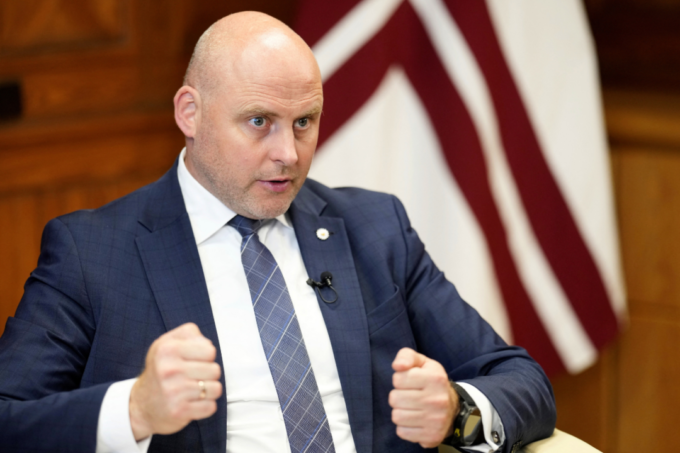
France to Open Talks on Latvia Joining Nuclear Deterrence Program, Riga Says
Latvian Prime Minister Andris Kulbergs gestures as he speaks to the media...
Senate Armed Services Chairman Questions ‘Lavish Welcome’ for Xi Ahead of Trump Talks
Senate Armed Services Committee Chairman Roger Wicker (R-Miss.) said he would have...
‘Bring Them Home’: Americans Push to Free Loved Ones Jailed in China
WASHINGTON—With the U.S.–China summit approaching, Americans who have loved ones detained in...