Turkish President Calls for UN Reform, Abolishing Security Council Veto
 Evgenia FilimianovaUpdated 14 hours Ago2 Mins read
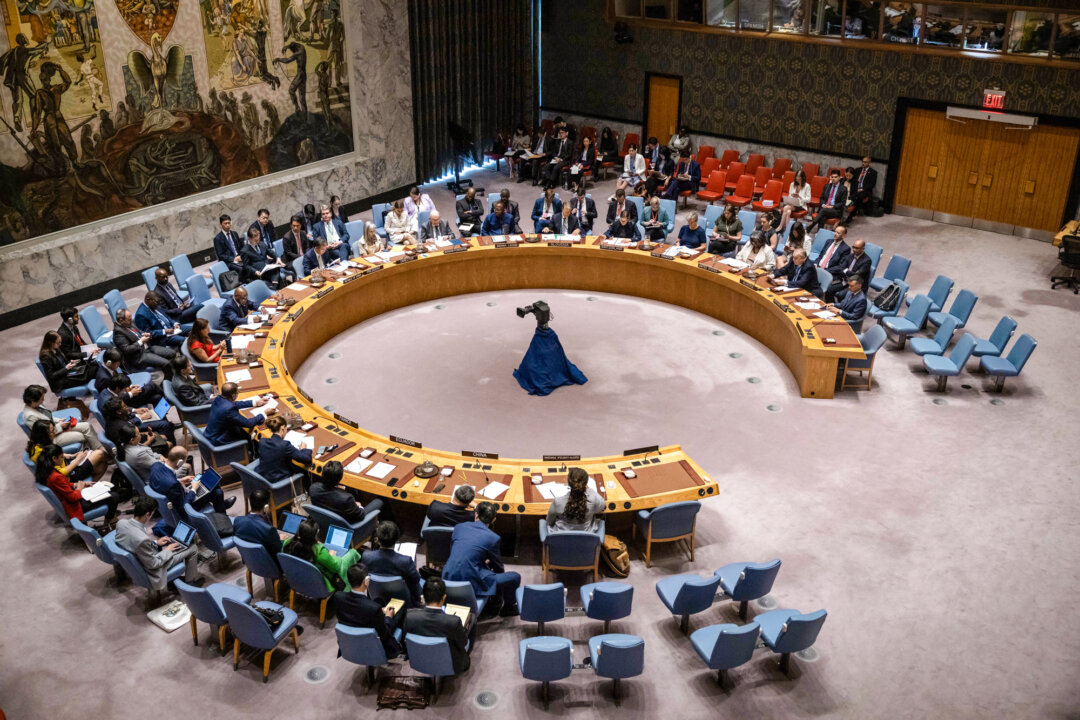
Turkish President Tayyip Erdogan has called for overhauling the U.N. Security Council by abolishing permanent membership and veto powers.
Writing in a Bloomberg opinion article published on Monday, Erdogan said that concentrating decision-making authority in the hands of veto holders—China, the UK, France, Russia, and the United States—no longer reflects geopolitical realities.
“The world is bigger than five,” Erdogan said.
The call comes as world leaders gather in New York City this week for the annual U.N. General Assembly meeting.
The Security Council bears primary responsibility for maintaining international peace and security. It consists of 15 members, including five permanent members, which possess veto power.
Under the U.N. Charter, substantive resolutions require at least nine affirmative votes, including the concurring votes of all permanent members. A negative vote by any permanent member blocks adoption of a resolution.
The body can authorize sanctions, peacekeeping operations, and military action. The Council’s decisions are binding on all U.N. member states, unlike recommendations adopted by other U.N. bodies.
Erdogan said the veto power should be abolished and that all seats should instead rotate among member states under a system accountable to the U.N. General Assembly.
“The abolition of the veto privilege should be both the starting point and the fundamental strategic objective of any meaningful reform,” he said. “Reform cannot mean extending the same privilege to other states.”
The Turkish president added that global challenges ranging from migration to trade security require broader participation in international decision-making.

President Donald Trump meets with Turkish President Recep Tayyip Erdogan in the Oval Office of the White House in Washington, on Sept. 25, 2025. Saul Loeb/AFP
The five permanent members have each outlined their own positions on Security Council reform, although none has endorsed Erdogan’s proposal to abolish permanent membership and veto powers.
Asked about the proposal during a conference call with reporters on Tuesday, Kremlin spokesman Dmitry Peskov said the Security Council should be reformed.
“Permanent membership should be expanded without fail,” Peskov said, adding that many countries or interstate entities deserve greater representation on the council.
However, Peskov said Russia considers both permanent membership and the veto power indispensable components of the United Nations.
“We remain committed to preserving this very important element,” he added.
In July, U.S. Ambassador to the U.N. Mike Waltz told a House Foreign Affairs panel that there was “very little consensus” among council members on reform proposals.
The ideas range from adding elected members to creating new permanent seats without veto powers, Waltz said.
His predecessor under the Biden administration, Linda Thomas-Greenfield, announced in 2024 that Washington supported adding two permanent seats for African countries, a rotating seat for small island developing states, and continued permanent representation for Latin America and the Caribbean.

Mike Waltz, U.S. ambassador to the U.N., speaks during a U.N. Security Council meeting on the conflicts in Iran at the U.N. headquarters in New York City on March 11, 2026. Michael M. Santiago/Getty Images
The UK has backed the expansion of the council, saying in a 2024 government statement that it supports additional representation for India, Germany, Japan, Brazil, and African countries.
France, which holds the presidency of the Security Council this month, said on Sept. 1 it would use its position to reiterate support for council reform.
Paris also said it would continue promoting its Franco-Mexican initiative calling for voluntary restraint in the use of the veto by permanent members in cases of mass atrocities
China has called for “necessary and reasonable” reform to make the Security Council more representative and effective.
Last year, Chinese Ambassador to the U.N. Fu Cong said that representation and voice of developing countries, particularly African nations, should be increased.



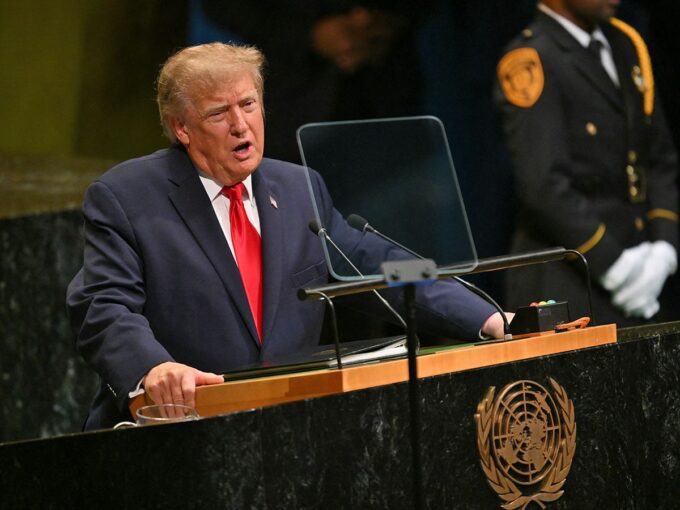
At UN, Trump threatens Iran with ‘hell,’ then after reveals the two sides had ‘very productive’ talks
U.S. President Donald Trump addresses the United Nations General Assembly at the...
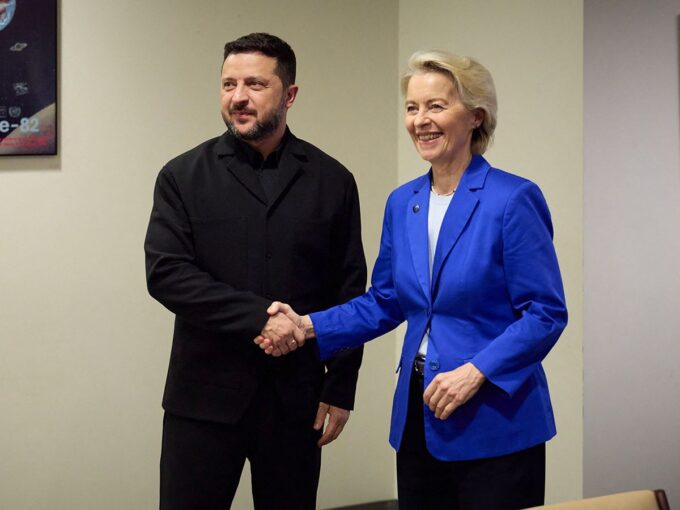
EU tells Zelenskyy to strengthen rule of law in Ukraine before any more monetary aid comes
Ukraine's President Volodymyr Zelensky meets with European Commission President Ursula von der...
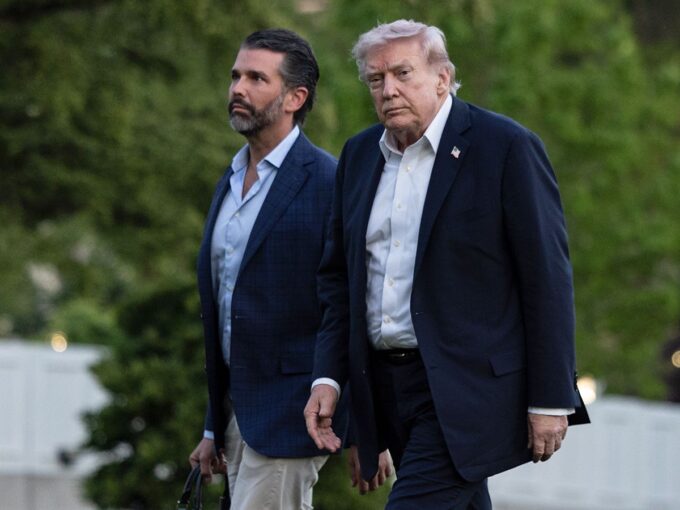
Republican senator calls for probe into Trump family’s financial dealings
U.S. President Donald Trump with his son Donald Trump Jr. in May...
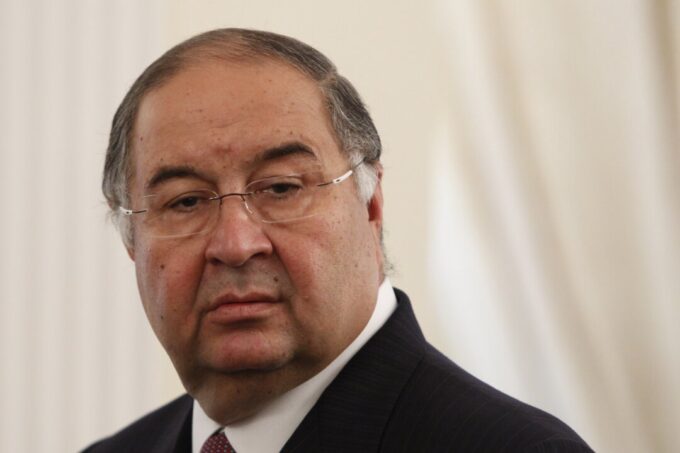
EU Removes 2 Russian Oligarchs From Sanctions List
Ambassadors of the European Union’s 27 member states removed three people and...