BC wineries barely survived wildfires. Now comes a trade war and provincial barriers
 Emmerson JullUpdated 3 hours Ago5 Mins read
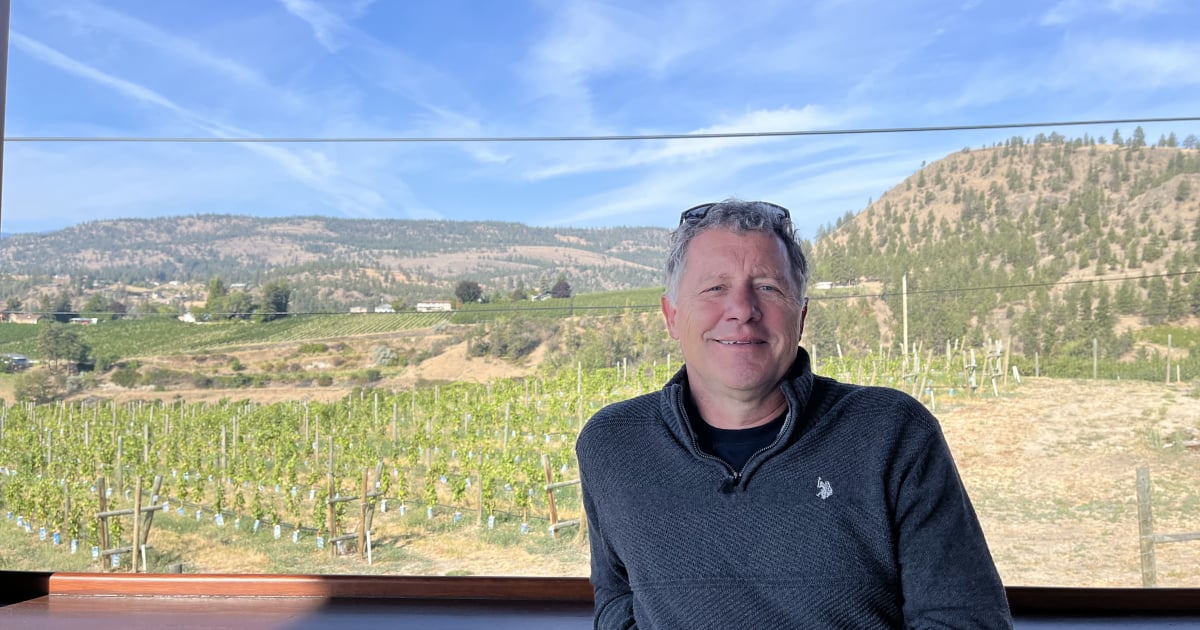
In August, heavy grape clusters — the best harvest in years — graced Lightning Rock Winery’s vineyards. At that moment, the Summerland, BC, wildfire ripped over nearby hills, smothering the crops under thick smoke.
Ron Kubek has owned Lightning Rock Winery with his wife, Tracy, for 10 years. They’re no strangers to the unforgiving Okanagan climate. Their vineyards are outfitted with new irrigation systems and soil monitors, the winery with metal siding and a 400-foot fire hose.
In fact, this year’s crop was set to be the best Kubek has grown in years, despite this being the Okanagan’s driest summer on record. That would have been a relief. The crop was decimated by early frosts in 2024. In 2023, smoke taint from the wildfire in Kelowna cut their production in half.
When the first flames of the Bald Range wildfire erupted in the middle of wine country, Kubek and his wife weren’t sure whether they’d need to evacuate. But then the evacuation notice turned into an order, and the power went out.
“We went, ‘Okay God, we got the hint. So we headed down in bumper-to-bumper traffic through Penticton,” Kubek recalled.
Kubek’s family and staff escaped the worst of the flames. But this fire will continue to burn Okanagan winemakers for years to come.
Wine country reeling from wildfire impacts
The Summerland wildfire left Central Okanagan producers suffering from a triple whammy: lost grapes, abandoned contracts and declines in tourism all at once, according to Jeff Guignard, CEO of Wine Growers British Columbia.
Guignard says it’s too soon for the organization to provide an estimate of overall losses in the region. But anecdotes from individual wineries paint a stark image. For example, the Garnet Valley Ranch Winery, owned by Christine Coletta, sustained $1.8 million in structural damage alone.

Kubek told CNO that Lightning Rock won’t be able to produce any wine with their own grapes this year, meaning 100 per cent of their harvest will go to waste.
Instead, he’ll need to reinvest money from insurance claims to purchase grapes elsewhere. Rather than producing 5,000 cases of wine with his own grapes, Kubek will make about 2,200 cases with the grapes he purchases from other growers in the valley. He was unable to provide CNO with an exact figure, but estimates using outside grapes will cost the winery hundreds of thousands of dollars.
Similarly, the wineries that would have purchased grapes from Kubek’s vineyards dropped their contracts. He said fellow growers around Summerland reported abandoned contracts, too.
Then there’s the losses from tourism. Guignard told Canada’s National Observer that summer tourism can make up to 25 per cent of a winery’s annual revenue, most of which would be made in July and August.
“There’s no good time for a wildfire, but this was the definite worst time in the wine industry,” Kubek said.
During the two weeks that 20,000 residents and workers in the Summerland area were forced to evacuate, tasting rooms shuttered and tourism plummeted. Evacuees fled to nearby Penticton, which affected tourism business there, too. Penticton’s annual Peach Festival — which should have been the busiest week of the year — was cancelled.
Guignard is concerned that, because the provincial government declared a state of emergency due to wildfires, tourists may be dissuaded from visiting the province now that the declaration has ended. The memory of news reports of evacuees and smoke-filled skies will last a long time in the minds of would-be visitors.
“One of our larger concerns is the impact a wildfire has on the tourism brand of the province,” he explained. “We’ve got to work to ensure that we’re telling our stories, in a way that people understand it is still safe to travel to wine regions. The smoke is not impacting most of the regions throughout the course of the year.”
International and internal trade barriers create ‘frustrating instability’
As the Summerland wildfire raged on, wineries were forced to confront yet another challenge: Canada’s trade war with the US.
Kubek had a pallet of wine that needed to be delivered to the US before President Donald Trump’s 50 per cent tariffs went into effect on Aug. 22. Since the wine was stuck behind Summerland’s evacuation order, Kubek had to secure temporary permits to access the winery and deliver the pallet before the tariff deadline.
Though Canada exports little wine to the US overall, individual wineries that do business with US customers could suffer as much as a 30 per cent hit to their revenue, Guignard said. “It’s frustrating instability at a time when our industry just absolutely doesn’t need that as we’re recovering from climate events, wildfires and other issues here at home.”

Keeping US wine off of Canadian shelves has been a popular move among consumers: An Abacus poll from early August suggests that seven in 10 Canadians want to keep American alcohol restrictions in place.
Still, industry officials agree it’s hardly enough to retaliate against American wine if Canada doesn’t rally around local producers.
Guignard believes that consumers’ renewed “Buy Canadian” sentiment could benefit both wineries and the provincial economy, if the provincial liquor distribution branch stocked those empty shelves with BC wines: “Every $1 spent on BC wine returns $5 to the BC economy,” compared to $0.67 for every $1 spent on foreign wine, he says.
But Guignard and Kubek described challenges of persuading the province’s liquor stores to embrace local wine.
“The dirty secret in BC is if you buy a non-BC wine, there’s an 89 per cent markup on it plus 10 per cent at the till,” Kubek said. “They’re happier to bring in wine [from South Africa, Italy and France] than they are to bring in BC wine, because that’s where they make a bigger markup.”
As a case of Canadian wine travels from one province to another, the hurdles keep coming. Interprovincial trade barriers, including additional markups, taxes and what Guignard calls “bureaucratic nonsense,” makes it more expensive for Canadians to purchase domestic wines.
For example, if Kubek sells a $20 bottle of Lightning Rock Winery’s rosé to the LCBO in Ontario, it will cost customers $38.31. In Quebec, the same bottle would be priced at $43.71. But just across the border in Washington, his rosé costs $30 — significantly less than Canadians pay for made-in-Canada wine.
“The only people making money in the booze business in Canada right now is the government,” Kubek said. “I still don’t understand why alcohol became the punching bag for trade negotiations between provinces, between countries.”
The BC Liquor Distribution Branch declined CNO‘s request for comment “due to the ongoing election campaign.”
Dismantling trade barriers between provinces would be a boon to the wine industry. According to a Deloitte report commissioned by Wine Growers British Columbia this year, removing those barriers could grow the sector’s market share from 30 per cent to 51 per cent, contributing an additional $3.6 billion to Canada’s GDP over the next 15 years.
In response, Canada’s governments have taken some action toward promoting free internal trade. Premiers from nine Canadian provinces signed a trade agreement in July that would allow direct-to-consumer alcohol sales. The deal would increase customers’ access to wineries across Canada, but provincial liquor boards can still markup prices as they see fit.
By achieving more stability within the Canadian wine industry at large, producers could better weather the climate impacts repeatedly slamming the Okanagan Valley.
But for a region constantly weathering droughts, wildfires, cold snaps and heat waves, Okanagan wineries have grown more resilient than ever, Guignard said. He’s hopeful that a strong push for fall tourism and improving inter-provincial trade relations will help speed up recovery from this summer’s wildfires.
“I believe we are building the world’s next great wine region right here, in real time,” Guignard said. “The fact that there are challenges in no way stops us from doing that.”






AI’s dangers ‘real and imminent,’ Canadian AI pioneer Yoshua Bengio tells UN
Canadian AI pioneer Yoshua Bengio and the heads of two major American...
Toronto mayoral candidates debate housing, transit and data centres
Toronto mayoral candidate Brad Bradford is promising to freeze property taxes for...
No, cyborg propaganda is not ‘inevitable.’ None of this is.
After Rory White revealed a Toronto mayoral campaign is putting AI-written comments...
Labour law changes would bring ‘sunlight’ to collective bargaining, says jobs minister
Jobs Minister Patty Hajdu says the Liberals' proposed changes to the Canada...