Australia, Netherlands Strengthen Ties with New Strategic Partnership
 Crystal-Rose JonesUpdated 2 hours Ago2 Mins read
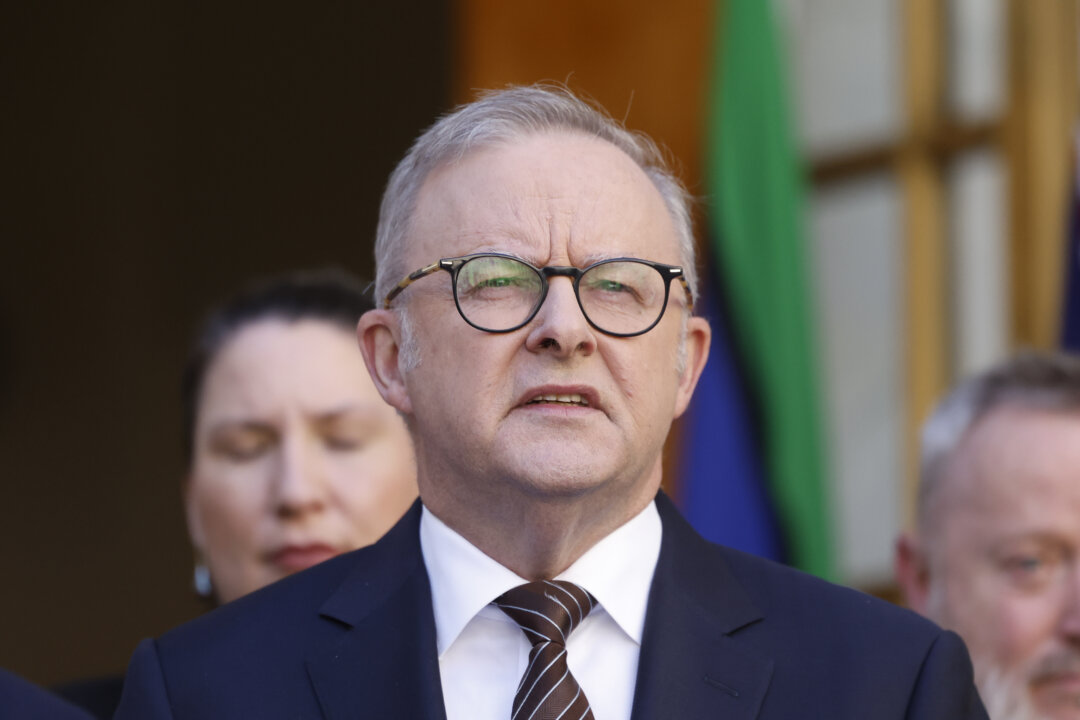
Australian Prime Minister Anthony Albanese has signed a new strategic partnership with the Netherlands during his six-day visit to the United States for the United Nations General Assembly.
“Australia and the Netherlands are moving forward, together,” Albanese said in a social media post sharing a photo of himself and Dutch counterpart Rob Jetten.
“We’ve just taken our relationship to the next level with a new strategic partnership.”
Albanese said the deal involves more trade and economic investment, as well as increased cooperation on defence and climate security.
“We’re getting things done with partners from around the world to deliver for Australians back home,” he said.
What the Two Nations Agreed to
According to a document published by the Netherlands government, the agreement consists of several key points.
The first renews the official relationship between the two nations, outlining areas of agreement including trade, investment, human rights, defending international law and “ambitious climate action.”
Under security and defence cooperation, the two nations have agreed to hold annual security consultations and enhance information sharing on issues including arms control, disarmament and non-proliferation, maritime security, counter-terrorism, foreign interference, hybrid threats, conflict prevention and cyber security.
The two sides have also agreed to increase cooperation on maritime security, youth radicalisation prevention, foreign interference including transnational oppression and transnational crime.
On economic ties, Australia and the Netherlands support the early ratification and implementation of the Australia–EU Free Trade Agreement to deepen trade, investment and innovation links between the two countries.
“We will work together to continue building our dynamic investment relationship, to promote an open, rules‑based multilateral trading system, including a strong and reformed WTO, foster economic growth, counter economic coercion and support resilient supply chains, including in critical minerals and raw materials,” the statement read.
Cooperation in the Indo-Pacific forms another key section of the agreement, including “particular importance” around working with the Association of Southeast Asian Nations (ASEAN), and its respective member states, and with the Pacific Islands Forum (PIF).
Joint Condemnation of Russia’s War Against Ukraine
The two nations also issued a joint condemnation of Russia’s war against Ukraine.
“Australia and the Netherlands will continue to support the establishment of a Special Tribunal for the Crime of Aggression against Ukraine and will continue to engage in efforts to establish a comprehensive compensation mechanism for Ukraine,” the statement said.
They also agreed to push for “truth, justice and accountability” on behalf of the victims of downed flight MH17.
In 2014, Malaysia Airlines flight MH17, carrying Dutch and Australian passengers among others, was shot down over eastern Ukraine, killing all 283 passengers and 15 crew members on board.
In 2022, a trial in absentia in the Netherlands found two Russians and a Ukrainian separatist guilty of murdering every person on board.
Australia and the Netherlands first starting seeking legal action in 2018, following reports the crash was caused by a Buk surface-to-air missile launched from pro-Russian separatist-controlled territory in Ukraine.
“Gender equality” has also formed a key part of both countries’ agendas under the agreement.
“We are concerned by growing pushback against gender equality, which threatens progress on human rights, sustainable development and peace and security,” the countries said.
“Australia and the Netherlands will continue to champion gender equality and support gender‑responsive justice and accountability mechanisms to ensure that the human rights, leadership and protection of women and girls remain central to an effective and inclusive multilateral system.”
Both countries have also agreed to uphold their obligations and commitments under the UN Framework Convention on Climate Change (UNFCCC), the Paris Agreement and their own initiatives to “advance global climate action and accelerate the net zero transition.”
An agreement was also made for cultural exchange between the two nations.




Ahead of Trump–Xi Summit, Democrats Call for Tighter China Chip Controls
President Donald Trump and First Lady Melania Trump welcome Chinese leader Xi...
Senator Tells Data Centre Developer to Drop Project Planned 20 Metres From Homes
An executive from AI data centre operator Goodman Group has been urged...
US Invites Putin to Miami G20
(Left) U.S. President Donald Trump in Washington on Aug. 18, 2025. (Right)...
Australia Pledges Another $60 Million of Aid to Ukraine
Australian Prime Minister Anthony and Ukrainian President Volodymyr Zelenskyy with the bilateral...