Danielle Smith did it, so did Ed Sheeran. When is it OK for a public figure to cry in public?
 Chris KnightUpdated 3 hours Ago2 Mins read
Article content
He became visibly emotional and said the attack on Israel on Oct. 7, 2023, “was horrific and compounded centuries of Jewish pain.” He added: “What is happening in Gaza is catastrophic and unjustifiable and disproportionate. My heart has been broken by the scale of devastation and loss of civilians lives, of children’s lives.”
Article content
Boler said displays of emotions by men are generally more accepted by the public, though even here context is key.
Article content
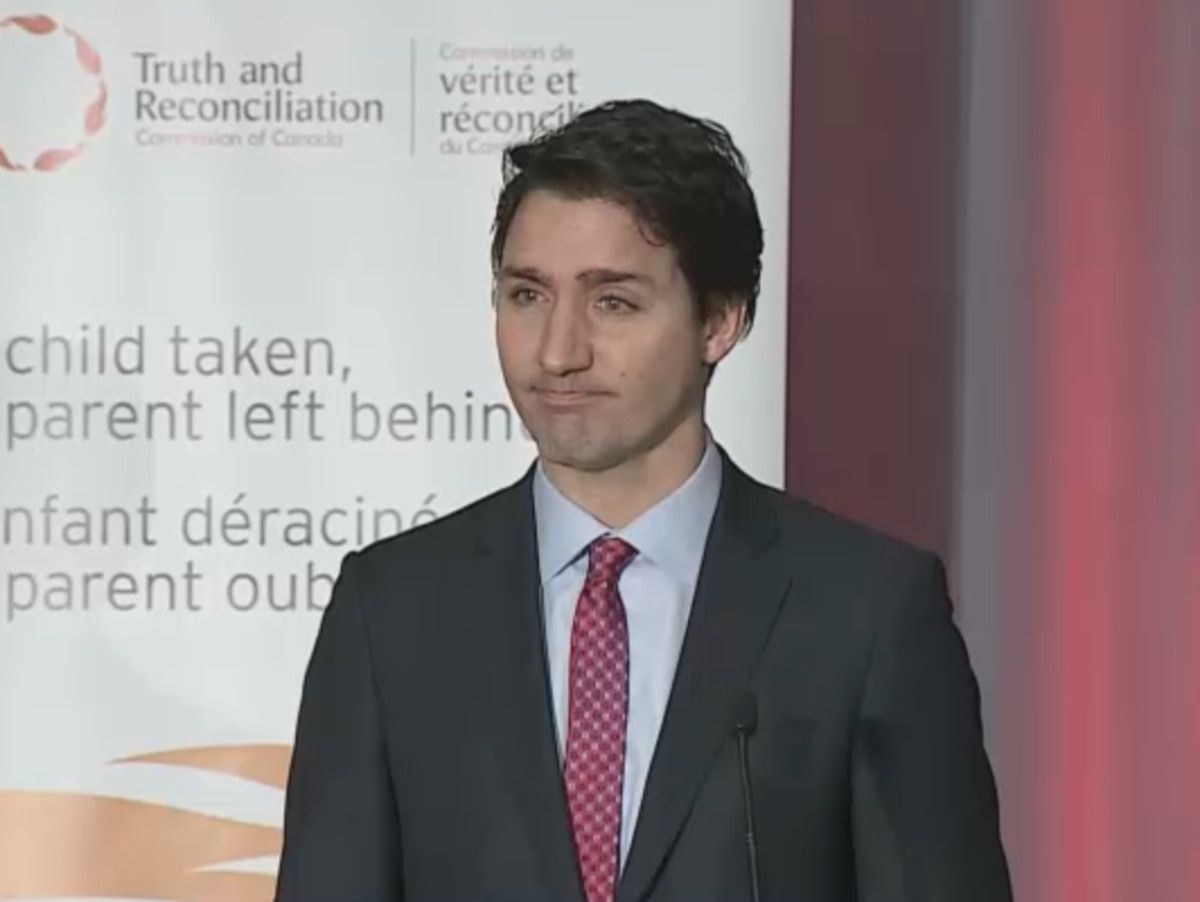
“Justin Trudeau crying when he was speaking about truth and reconciliation some years ago,” she said, “there was a lot of really mixed public response to that. A lot of people felt it was sort of using that emotion to render a kind of focus on him as an individual, or on how these historical horrors and genocide are experienced by white folks, when really the focus should be on Indigenous populations and how it affects them.”
Article content

Article content
Tears of joy might be easier for people to stomach, she added, regardless of the sex of the crier.
Article content
“Another example that was perhaps one of the most widely accepted and less pilloried examples of public displays of crying was when Obama was elected and Jesse Jackson cried, and there was a shot of him crying that got used repeatedly.”
Article content
Article content
Oprah Winfrey was also photographed weeping that day. “Those were examples where there was I felt greater public acceptance of those displays of emotion as legitimate or reflecting something that was quote-unquote acceptable.”
Article content
Whether the tears are real or not is a more difficult question to answer.
Article content
“The genuineness of what a person is feeling as opposed to its performative aspect I think is very difficult to dissect,” Boler said. “I think the moment that it is captured in the public sphere in a political context, we are necessarily talking about a performance, right? There’s just no way around that.
Article content
“So it may very well be that the person is feeling the emotion genuinely, but … it (also) functions always as a performance, whether we like it or not.”
Article content
Tom Lutz, author of Crying: The Natural and Cultural History of Tears, told the New York Times in 2010 that Bob Dole had cried “exactly twice” before his 1996 campaign for the U.S. presidency. “But in the early 1990s, Bill Clinton had transformed the political meaning of crying; it tracked very well with women voters. All of a sudden Bob Dole couldn’t control his crying and did it often.”
Article content
Article content
The supposed performative nature of public crying was taken to extremes by a 2011 article in Forbes magazine that asked: “When Should You Cry In Public?” and promised “5 Rules For Successful Emoting.”
Article content
They came down to reading the room, being aware that emotional outbursts are “hot TV” and would often be covered, and that, “when the emotion runs counter to the dominant story about you, it will make news.”
Article content
Even that piece was unable to parse real crying from crocodile tears, however. The Hilary Clinton episode, it noted, “was said by some to be a calculated effort to make her appear more human, whereas others said it was a genuine moment that made her appear more human.”
Article content
Maybe the difference doesn’t even matter. Research from Tilburg University in the Netherlands found that women who didn’t cry were not only seen as being less competent than men who didn’t cry, but also less competent than men who did cry.
Article content
Said Boler: “One of the tricky things in the moment that we are in, the world of soundbites and mis- and disinformation … is there is no way to measure how a public will respond to something like that. And the cost of those tears is very different depending on who is crying.”
Article content





From east to west: Why Turkey is playing both sides
Less than two months after his government hosted the NATO summit —...

Two more election defeats pile pressure on German chancellor Friedrich Merz
Friedrich Merz’s demeanour was grim as he stepped before the cameras on...
‘Small, flowering islands’: German city reveals how nature thrives when neighbours care for street tree beds
When Olivia Besters began caring for the patch of soil beneath the...

FIRST READING: ‘Indigenous reconciliation’ ranks at rock bottom of B.C. voter priorities
Article contentThe decision mentioned “reconciliation” twice in its final reasons, ruling that...