The opening of a Volkswagen-owned EV battery factory in Ontario has been pushed back two years, despite the company previously saying it was “confident” it would be in production by next year.
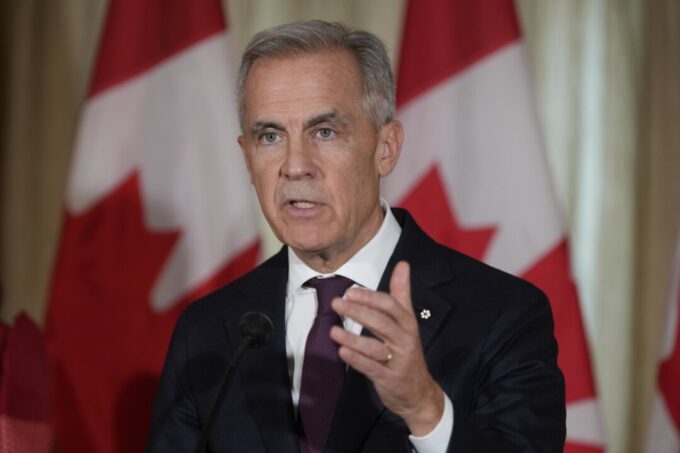
On Friday, Ontario Minister of Economic Development, Job Creation and Trade Vic Fedeli said the mixed news is “extremely exciting,” while acknowledging that there are “different takes on it.” Fedeli said he isn’t worried about the delay leading to a cancellation of the $7 billion battery plant project, noting that a construction firm has now been hired to build it.
On Thursday, PowerCo, which was founded by Volkswagen, said that hiring a construction firm “enables work on-site to continue building on steady progress since groundbreaking in 2025.”
“You can’t expect that building to open before 2029 when they’re starting in mid-26. So if you’ve been following along with it, you realize that every day that they don’t start construction is a day that they don’t start production,” Fedeli said.
“So, to me, it’s a great news story. The building is being built. The investment is being made.”
The PowerCo factory was announced in 2023 and backed with a $500 million investment from the province and $700 million in funding from the federal government. Its batteries — which are currently being produced at its operations in Germany — can be used in most Volkswagen EV models. Rather than creating different batteries for each car, 80 per cent of the company’s models use the same battery.
Over the last couple of years, multiple auto majors have pulled back from multi-billion-dollar projects in Ontario. In May 2025, Honda Motors put the brakes on, and later cancelled, its EV supply chain development plans in Ontario, blaming “changing conditions” for the postponement of its $15 billion investment.
The trade war between Canada and the US, which has intensified over the last month, has put pressure on the industry.
Also in 2025, General Motors shuttered its plant in Ingersoll, Ont., which was manufacturing its Brightdrop Zevo electric delivery van, leading to the layoff of 500 employees.
— With files from Darius Snieckus
September 28th 2026