US Tightens Cuba Sanctions to Counter Regime Repression
 Kimberly HayekUpdated 4 hours Ago3 Mins read
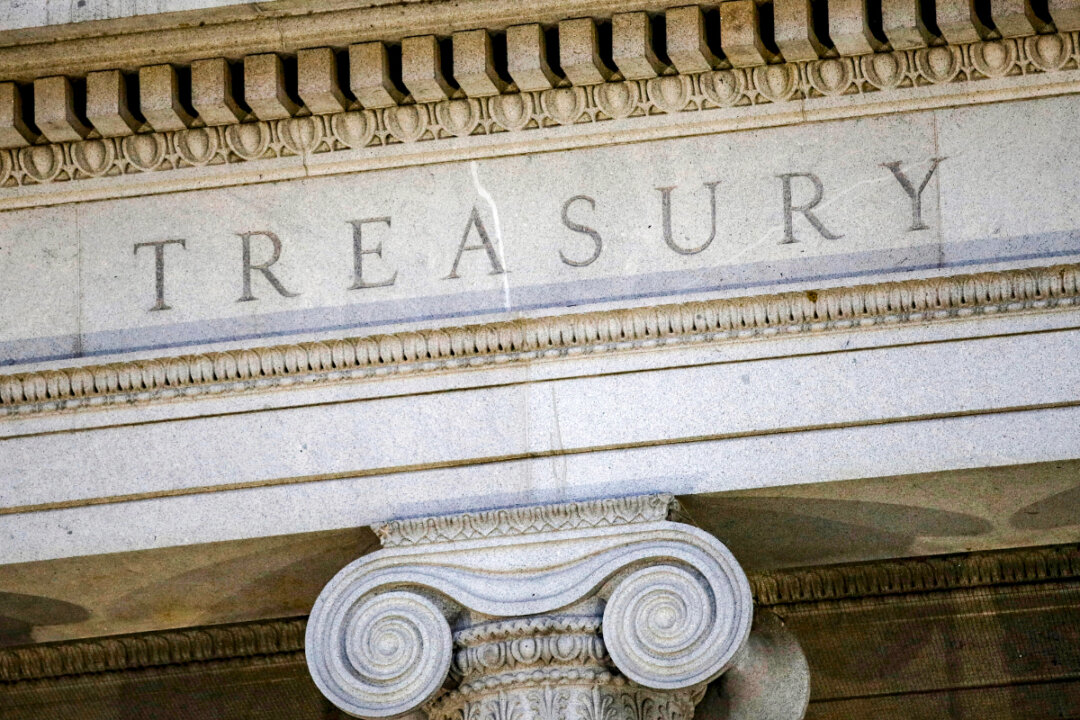
The Treasury’s Office of Foreign Assets Control on Tuesday released new Cuba sanctions regulations. The package implements President Donald Trump’s Executive Order 14404, which targets the communist regime’s repression of Cubans and threats to U.S. national security. The amendments took effect Wednesday.
State Department spokesman Tommy Pigott said that the steps broaden pressure on Cuba’s military and intelligence, terror, and subversive networks, and the financiers who keep them running. Officials said the Cuban Assets Control Regulations were rewritten to close loopholes used for sanctions evasion and funding activities that threaten the United States.
“The Trump Administration remains committed to leveraging all available sanctions authorities to drive meaningful reform in Cuba, support the Cuban people’s aspirations for freedom, and hold accountable the individuals and entities that pose a threat to the national security of the United States,” Pigott said in a statement on Wednesday.
The Office of Foreign Assets Control also posted an alert on the increased sanctions risks for Americans and foreigners related to transactions involving Cuba. Foreign banks that handle significant transactions for anyone blocked under the May order can also be targeted.
The amended rules remove several older authorizations. People subject to U.S. jurisdiction can’t attend or organize professional meetings in Cuba anymore. Group people-to-people educational travel is out. Most other educational trips now need a U.S. sponsor and an accompanying representative, with a narrow exception for accredited colleges.
Direct and indirect deals with anyone on the Cuba Restricted List are barred. U-turn transfers—dollar payments that start outside the United States and briefly enter the U.S. financial system through a U.S. bank long enough to clear before getting sent back outside the United States—involving Cuba are no longer allowed. Banks can’t open or keep accounts for Cuban private-sector entrepreneurs and must block existing ones unless they get a separate license. A 30-day wind-down covers some leftover professional-meeting travel.
The latest regulations come on top of months of designations and an oil cutoff that began in January.
Rubio: The Island Has Already Fallen
Secretary of State Marco Rubio
told Fox News
host Sean Hannity this week that the Cuban regime will face consequences unless it changes course. Those who think they can “wait out” the Trump administration are wrong, he said.
“Unfortunately, the people that continue there to chant revolutionary slogans, too many of them still believe that they could wait out this administration and make no changes or do nothing,” Rubio said on Sept. 28. “They are wrong, and they will learn the lesson the hard way if they don’t correct.”
He added that the regime has already fallen.
“It doesn’t have a functional economy, and it’s governed by people who continue to preach about some revolution that has been dead for 20 years,” he said. “It’s never worked, and that’s the problem they have.”
He said the Communist Party of Cuba doesn’t function as a government and is “fueled by corruption, graft, and theft.” Close to a fifth of the population has left since 2021, he said. While Trump is U.S. president, Cuba won’t be allowed to be “a base of operation against American interests or pose a threat to our national security,” Rubio said.
Cuban Foreign Minister Bruno Rodríguez on Sept. 26 told the U.N. General Assembly that the United States was waging “a multidimensional aggression” and “a permanent, abusive and ruthless hostility that has lasted for almost seven decades.” He said the energy cutoff since January, made possible by the U.S. capture of Venezuelan socialist leader Nicolás Maduro, “is equivalent to a naval blockade classified under international law as an act of war.”
Trump, speaking to reporters on Sept. 26, said he expects the island to come to an agreement with the United States and doesn’t think troops will be required.
“I would say that Cuba and us will make a deal,” he said. “I don’t think we’ll need the military.”
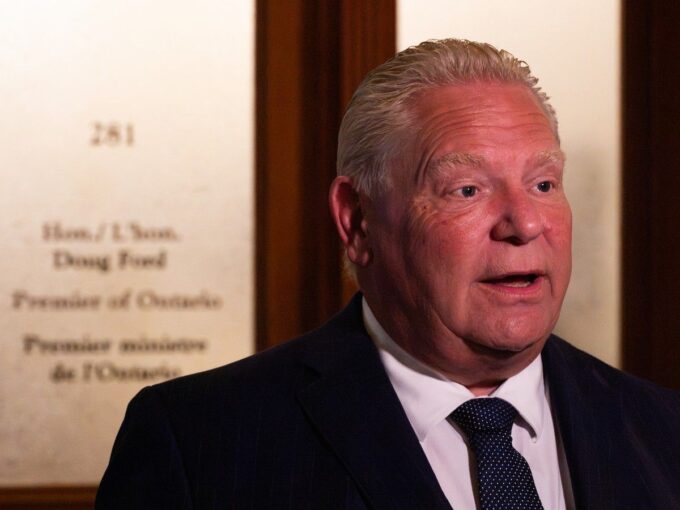
Randall Denley: Ford wisely keeps his cool over Stelco’s layoffs
Ontario Premier Doug Ford outside his office on Friday, September 25, 2026....
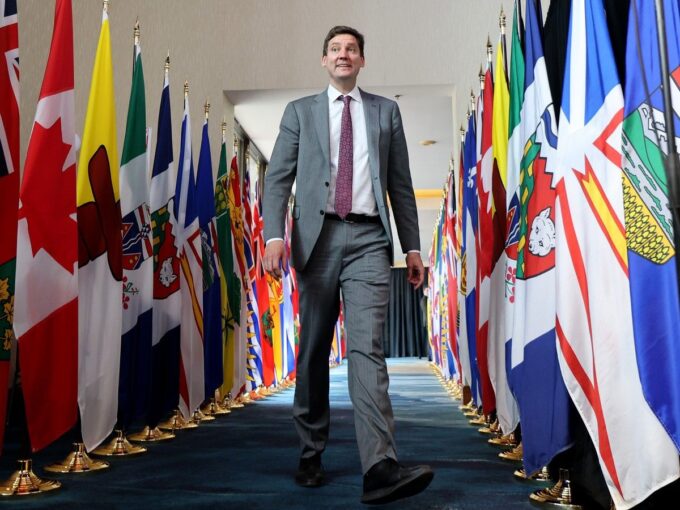
10/3 podcast: B.C. heads to the polls amid Conservative turmoil and municipal election fallout
British Columbia Premier David Eby arrives for a First Ministers meeting in...
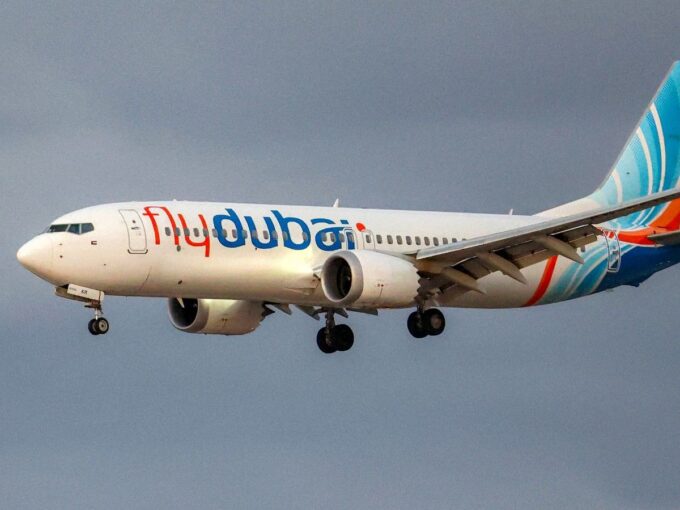
What we know about the Flydubai suspect who allegedly ‘refused to shake hands with women’
A plane carries passengers on a flyDubai plane to Israel after the...
High-speed rail costs could reach $113 billion, 25% more than estimated, PBO warns
Kingston-area opponents of the Alto high-speed rail project lead a march with...