Fuelling Longevity: Don’t let the seed oil debate stop you from enjoying your salad
 Lindsey WardUpdated 1 month Ago3 Mins read

Article content
Seed oils have become the latest nutrition battleground. If you scroll through social media you’ll find claims that these everyday cooking oils cause inflammation and chronic disease. If you’re interested in longevity, you may wonder: Should they be banished from the kitchen?

THIS CONTENT IS RESERVED FOR SUBSCRIBERS
Enjoy the latest local, national and international news.
- Exclusive articles by Conrad Black, Barbara Kay and others. Plus, special edition NP Platformed and First Reading newsletters and virtual events.
- Unlimited online access to National Post.
- National Post ePaper, an electronic replica of the print edition to view on any device, share and comment on.
- Daily puzzles including the New York Times Crossword.
- Support local journalism.
SUBSCRIBE FOR MORE ARTICLES
Enjoy the latest local, national and international news.
- Exclusive articles by Conrad Black, Barbara Kay and others. Plus, special edition NP Platformed and First Reading newsletters and virtual events.
- Unlimited online access to National Post.
- National Post ePaper, an electronic replica of the print edition to view on any device, share and comment on.
- Daily puzzles including the New York Times Crossword.
- Support local journalism.
REGISTER / SIGN IN TO UNLOCK MORE ARTICLES
Create an account or sign in to continue with your reading experience.
- Access articles from across Canada with one account.
- Share your thoughts and join the conversation in the comments.
- Enjoy additional articles per month.
- Get email updates from your favourite authors.
THIS ARTICLE IS FREE TO READ REGISTER TO UNLOCK.
Create an account or sign in to continue with your reading experience.
- Access articles from across Canada with one account
- Share your thoughts and join the conversation in the comments
- Enjoy additional articles per month
- Get email updates from your favourite authors
Sign In or Create an Account
or
Article content
As dietitians, part of our job is helping people make sense of nutrition research — including understanding that not all evidence carries the same weight. So let’s separate the internet noise from what the science tells us.
Article content
Article content
Article content
What are seed oils?
Article content
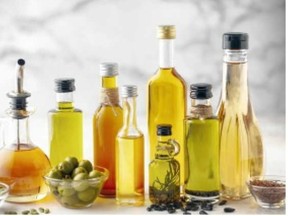
Seed oils are simply oils extracted from plant seeds. Common examples include canola, corn, cottonseed, grapeseed, soybean and sunflower oils. They’re rich in unsaturated fats, are affordable, versatile and relatively neutral in flavour, making them useful for sautéing, roasting and salad dressings. They’re also widely used in packaged and ultra-processed foods — and that’s where some of the confusion begins.
Article content
What’s the issue?
Article content
Much of the criticism centres on omega-6 fatty acids, particularly linoleic acid, which is abundant in many seed oils. The argument goes something like this: omega-6 fats are involved in inflammation; inflammation is associated with chronic disease; therefore, eating seed oils must cause inflammation. It may sound logical, but there are missing links.
Article content
What’s the science?
Article content
Omega-6 fats are essential fatty acids, meaning our bodies need them but cannot make them. We need both omega-6 and omega-3 fats for normal cell function and other important processes.
Article content
While some laboratory and animal research has raised questions about omega-6 fats and inflammation, findings in rodents don’t necessarily translate to humans. Human research does not show that typical intakes of omega-6 fats increase inflammation. In fact, replacing saturated fats with polyunsaturated fats — the type found in many seed oils — is associated with lower cardiovascular risk.
Article content
Article content
There’s also no need to worry about achieving a particular omega-6-to-omega-3 ratio. A more useful goal is to include omega-3-rich foods such as salmon, sardines, walnuts, chia and ground flax.
Article content
What about processing?
Article content
Yes, seed oils are refined. But “processed” doesn’t automatically mean harmful and claims that ordinary seed oils are inherently dangerous or loaded with trans fats aren’t supported by current evidence.
Article content
Dietitian’s bottom line
Article content
If you enjoy olive oil, use it. But if canola, soy or vegetable oil is in your cupboard, there’s no compelling reason to throw it out. I wouldn’t recommend replacing seed oils with large amounts of butter, lard or beef tallow. These fats contain more saturated fat, and swapping unsaturated fats for more saturated fat isn’t a longevity strategy.
Article content
Instead, consider the whole plate. Eat plenty of vegetables and fruit, whole grains and legumes. Include nuts, seeds and fish. Get enough protein. Cook when you can and enjoy your food.
Article content
When it comes to longevity, the type of oil you use matters far less than the overall pattern on your plate. And please don’t let the seed-oil debate keep you from enjoying a delicious salad with a simple vegetable-oil-based dressing.







Opposition Says WA Should Not Be Included in National Gas Reserve Scheme
The federal opposition is marking its turf on plans to create a...

Greens Elect Former MP Mike Morrice, the Sole Candidate, to Lead Party
Newly elected Green Party Leader Mike Morrice points as he speaks at...

Breast Milk Can Be Lifesaving for Premature Babies, Quebec Charity Says
When Annie Sicotte gave birth to her first daughter 11 weeks early,...

Is Autumn Glow the Next Winx? Inside the Making of a Racing Superstar
Autumn Glow now has six Group 1 victories—and she is fast becoming...