US Moves to Close Loophole That Allows China to Use Nvidia’s Advanced Chips
 Andrew MoranUpdated 23 minutes Ago1 Mins read
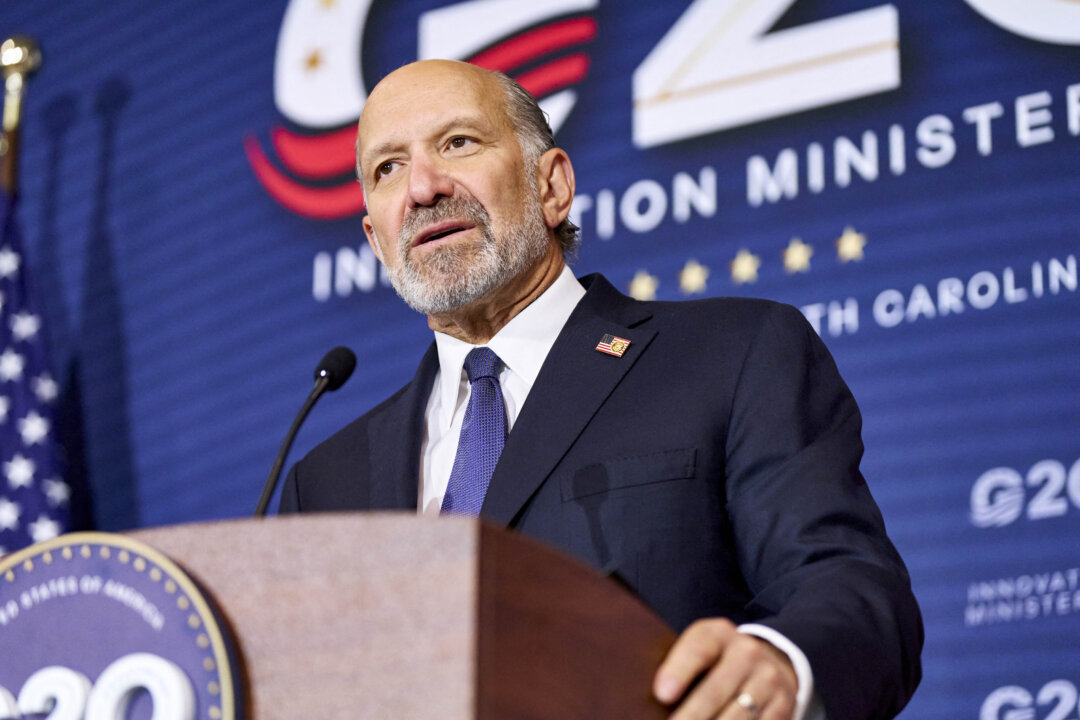

Commerce Secretary Howard Lutnick speaks to the press following the G20 Innovation Ministerial at the Carolina Inn in Chapel Hill, North Carolina, on September 2, 2026. Matt Ramey / AFP via Getty Images
The Trump administration has moved to close a loophole that had allowed Chinese companies to access Nvidia’s advanced computing power by leasing it from data centers in third countries.
In an interim final rule released on Nov. 16, the Department of Commerce said the new rule aims to “prevent certain foreign actors” from using U.S.-developed advanced computing power to threaten national security and foreign policy interests.
“These restrictions will undermine the ability of companies headquartered in countries of concern from using U.S. advanced Super Intelligence (SI) semiconductors to train advanced SI models,” the rule, issued by the department’s Bureau of Industry and Security, states.
Moving forward, companies will be required to obtain approval before exporting, reexporting, or transferring artificial intelligence (AI) chips to countries that “present a higher-than-normal risk of diversion.”
The department listed Brazil, Indonesia, Malaysia, Singapore, and Thailand in the rule.
The licensing requirement for these five countries would not apply to semiconductor shipments destined for U.S.-headquartered companies or firms whose parent company is based in the United States.
“Commerce will be actively monitoring for countries that tolerate evasion of this IFR,” it said.
Those in violation could face import restrictions, stricter licensing requirements, or placement on the blacklist.
Nvidia shares were little changed following the decision.
Shares of other chipmakers were in the red, including Advanced Micro Devices, Broadcom, Intel, and Micron Technology.
This is a developing story. Please check back for further updates.







Incentive Trusts for Financially Irresponsible Heirs: How Do They Work?
You’ve worked hard to build your estate. And you want to leave...

Italy Fines Meta $887 Million Over Android Users’ Data Access
A pedestrian walks in front of the Meta logo at the company's...

Home Mortgage Payments Decline to 6-Week Low
Monthly mortgage payments in the United States have fallen to a six-week...

Trump Extends Jones Act Shipping Waiver Another 90 Days for Oil, Commodities
Vessels in the Strait of Hormuz, as seen from Musandam, Oman, on...