Alberta Introduces Legislation to Put New Ridings Into Law Ahead of 2027 Election
 Jason G. AntonioUpdated 5 days Ago2 Mins read
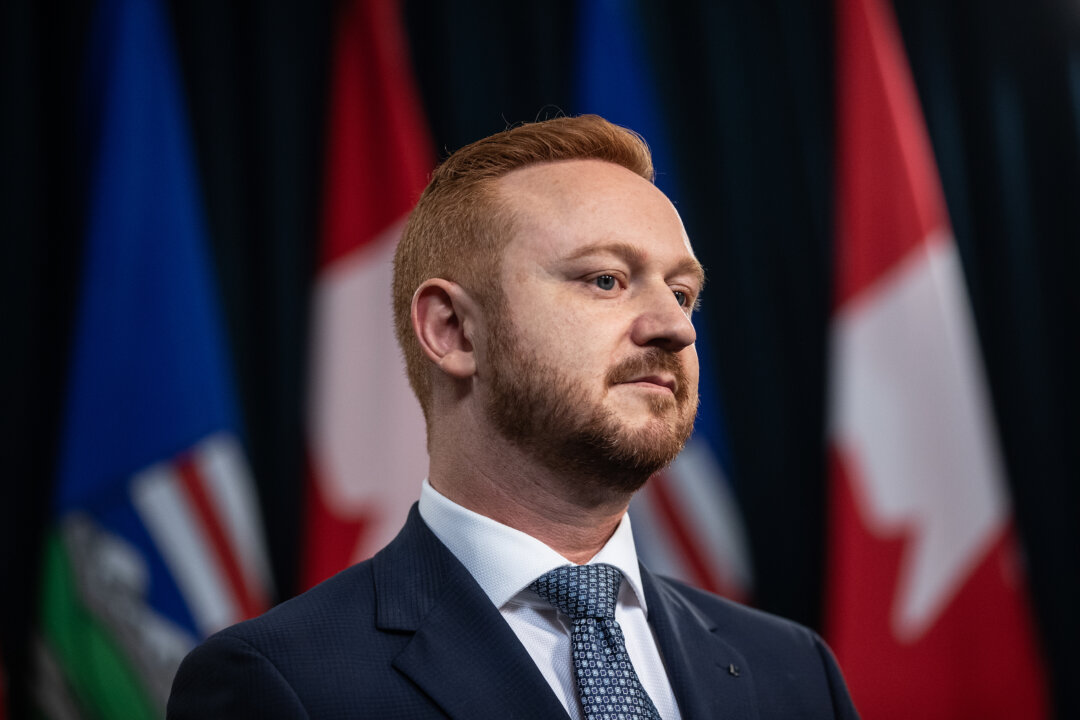
The Alberta government has introduced legislation to increase the number of provincial electoral districts from 87 to 91 and redraw boundaries ahead of the 2027 general election.
Justice Minister Mickey Amery introduced Bill 40, the Electoral Divisions Act, 2026, which proposes significant boundary changes in Calgary, Edmonton, Lethbridge, and rural areas of the province.
The proposed boundaries have sparked debate and criticism by the opposition NDP over whether they would weaken urban representation. Two of the five advisory panel members argued that the panel exceeded its mandate by extensively redrawing an earlier electoral map, including creating ridings that combine urban and rural communities. The three-member majority defended the changes as necessary to preserve community interests and ensure effective representation.
One of the most significant changes would affect Lethbridge, where the proposal would replace the existing two city-based ridings with four districts covering parts of the city, three of which also include surrounding rural territory.
The legislation would also restore two rural districts and create urban-rural constituencies in other parts of Alberta, including Calgary.
Rural Alberta has traditionally been a stronghold of the governing United Conservative Party (UCP), while urban voters have been more likely to support the New Democratic Party (NDP).
Proposed Riding Changes
Rather than simply adding four ridings to the existing 87, Bill 40 proposes a replacement map of 91 districts, with some existing ridings renamed, redrawn or eliminated.
Calgary would have 28 ridings under the proposal, from the existing 26. Notable new or substantially changed riding names include Calgary-Bow-Springbank, Calgary-Falconridge-Conrich, Calgary-Glenmore-Tsuut’ina, and Calgary-North West-Bearspaw.
Edmonton would have 21 ridings, including the new ridings of Edmonton-Nisku and Edmonton-Enoch. Other notable changes include Edmonton-Glenora-Riverview, Edmonton-West Henday, and Edmonton-Windermere.
In rural Alberta, the legislation would restore the ridings of Lac Ste. Anne and Rocky Mountain House-Sundre, alongside other boundary changes. Other notable changes include Blackfalds-Innisfail, Lac Ste. Anne, Lacombe-Sylvan Lake, Leduc-Beaumont, Morinville-Sturgeon, Rocky Mountain House-Sundre, and Wetaskiwin-Ponoka.
In the south of the province, proposed ridings include Lethbridge, Lethbridge-Cardston, Lethbridge-Little Bow, Lethbridge-Taber-Warner, Banff-Canmore-Diamond Valley, Medicine Hat-Brooks, and Medicine Hat-Cypress.
The proposed districts include both new constituencies and existing ridings with revised names or boundaries.
If Bill 40 passes and receives royal assent, the new boundaries would take effect when the writ is issued for the next provincial general election.
Boundary Disputes
The boundary review process had already generated controversy before Bill 40 was introduced. Premier Danielle Smith’s government rejected an earlier set of boundary recommendations and established a new advisory panel, chaired by a UCP appointee, to reconsider the proposed electoral map.
The panel released its report in October. The two dissenting members, Gerard Kennedy and Brent Robinson, argued that the majority went beyond the changes necessary to restore the rural ridings of Lac Ste. Anne and Rocky Mountain House-Sundre.
They raised concerns that the proposed boundaries would weaken urban representation, particularly in Lethbridge, and could amount to partisan gerrymandering or invite constitutional challenges.
Although they supported increasing the legislature to 91 seats and restoring the rural constituencies, the two dissenters proposed an alternative electoral map that retained more of the earlier commission’s recommendations.
NDP leader Naheed Nenshi has alleged that the changes are an attempt by the UCP to influence the 2027 election. The governing party has argued that the changes are about boosting effective representation and that hybrid ridings already exist elsewhere in Alberta.
The Canadian Press contributed to this article.



America in Brief
Suspect Guilty of Palisades FireThe federal arson suspect accused of igniting a...
‘Ghost Airports’ Emerge in China
Some regional airports in China didn’t receive a single flight so far...

Labor Reinforces Heartland Seats as Election Loss Looms
A beleaguered state Labor government has taken its election campaign to formerly...
Analysts Say Trump–Xi–Putin Summit Exposed Deep Divide
The first-ever trilateral summit between the leaders of the United States, China,...