Pensioners Spending 30 to 80 Percent of Income on Rent: Report
 Crystal-Rose JonesUpdated 26 minutes Ago2 Mins read
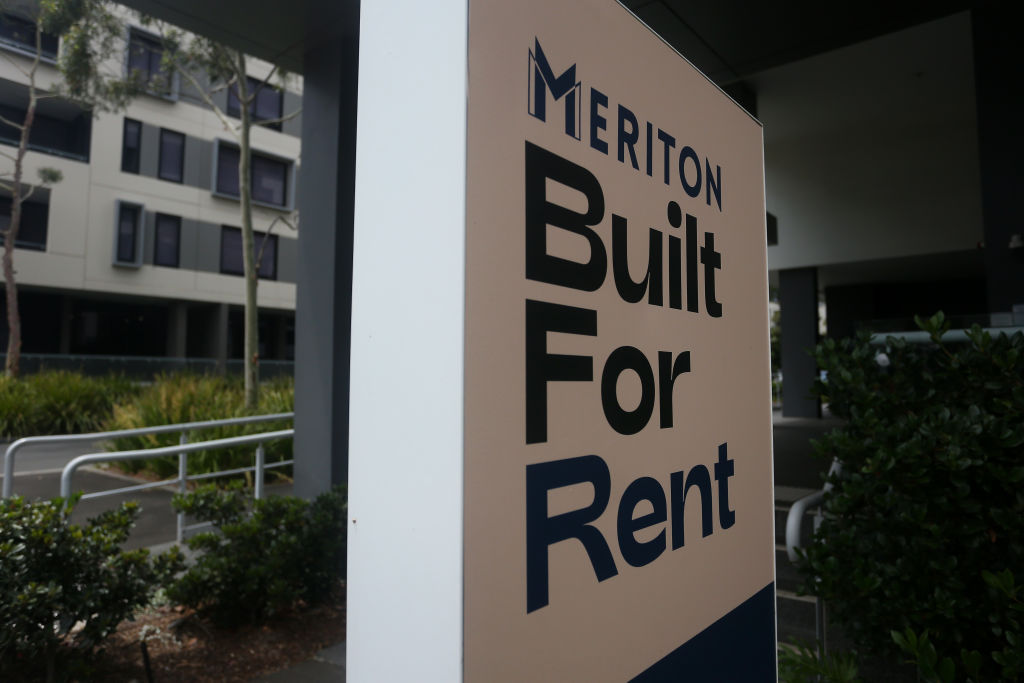
Renters can no longer absorb increases, and are cutting back on essentials like food and medicine to keep their housing, according to a new report which has prompted criticism of the government’s policies in the Senate.
The 12th annual Rental Affordability Index compiled by SGS Economics and Planning, National Shelter and Housing All Australians shows households can no longer weather rent increases.
“Interest rate hikes are often passed on from the investment property owners to the tenants,” report co-author Ellen Witte said.
The report also delved into specific occupations, comparing the percentage of income required to remain in a rental.
It showed early childhood workers would have to spend 53 percent of their income on rents in every capital city except Perth, where they would have to spend 49 percent.
Those on income support payments fare even worse—with a single person on a job-seeker payment facing rents between 52-136 percent of their income for a single-bedroom property.
A single pensioner is likely to spend 33-85 percent of their income for a small home.
Studies show that when more than 30 percent of household income is spent on rent, tenants are forced to cut back on essentials, including transport and electricity.
“Housing that working Australians can actually afford is fundamental economic infrastructure for our country,” Housing All Australians Founder and Executive Director Robert Pradolin said.
“Without it, productivity will continue to decline, businesses and communities will suffer, and Australia’s economic and social resilience will be weakened.”
The new research also shows regional Queensland has become the least affordable area to rent, while the Australian Capital Territory (ACT) has remained the most affordable, which the report attributes to its limits on rent increases and frequency.
Senator Calls for Rent Caps
Greens Senator Barbara Pocock called for rent caps to be introduced across the board.
“It’s no coincidence that ACT is the only jurisdiction in Australia that has put in guardrails around rent increases,” she told the Senate.
“Renters are paying the price for an inflation crisis they didn’t cause.
“ACT’s improved rental affordability is a proof that rent caps work—it’s time for a national approach.”
Government’s Policies Labelled a ‘Fail’
Nationals Senator Bridget McKenzie criticised Labor’s migration policy for putting pressure on housing.
“When you also add … the economic data, but you also put an additional one-and-a-half million new arrivals into the housing system, well, that impacts not just housing availability, but the price of rents, particularly at the lower end of the market,” she said.
“And we often talk about first home buyers and owner occupiers in this place, but spare a thought for the rents out there, which is just climbing, climbing, climbing.
“There are thousands of Australians, with the latest unemployment data, facing Christmas with job losses, putting stress and strain on the family budget, and what do we hear? We get minister after minister in this place stand up and say, ‘We hear your pain.’”
Labor Stands by Deposit Scheme
Labor Senator Tim Ayres focused his discussion in the Senate on the government’s five percent deposit scheme for home buyers.
Originally a Liberal scheme, Labor broadened the policy to remove income limits and also allowed access to non-citizens.
“The five percent deposit scheme cuts years off the amount of time that it takes a young person or a young couple to save their deposit to buy their first home,” he said.
“Fundamentally, it gets you into a home of your own, 290,000 Australians have bought their first homes thanks to this program.
“That’s 290,000 Australians, not investors, Australians buying a home for the purpose of living in it, who aren’t stuck paying rent, paying off an investor’s mortgage for them.”




Australia, Singapore Deepen AI Ties Amid Nvidia Scrutiny
Singapore's Prime Minister Lawrence Wong (L) and Australia's Prime Minister Anthony Albanese...

From Caravan to Home in Days: The Push to House Australia’s Veterans
An Australian war veteran takes part in the annual ANZAC Day Parade...

2026 World Chess Championship Opens in Geneva
According to a quote about chess widely attributed to former world champion...
PBO’s Budget Review in 5 Charts: Where Ottawa’s Windfall Comes From and Where It Goes
Parliamentary Budget Officer nominee Annette Ryan appears before the Standing Committee on...