New Home Sales Jump to Highest Level in Nearly a Year
 Bill PanUpdated 34 minutes Ago2 Mins read
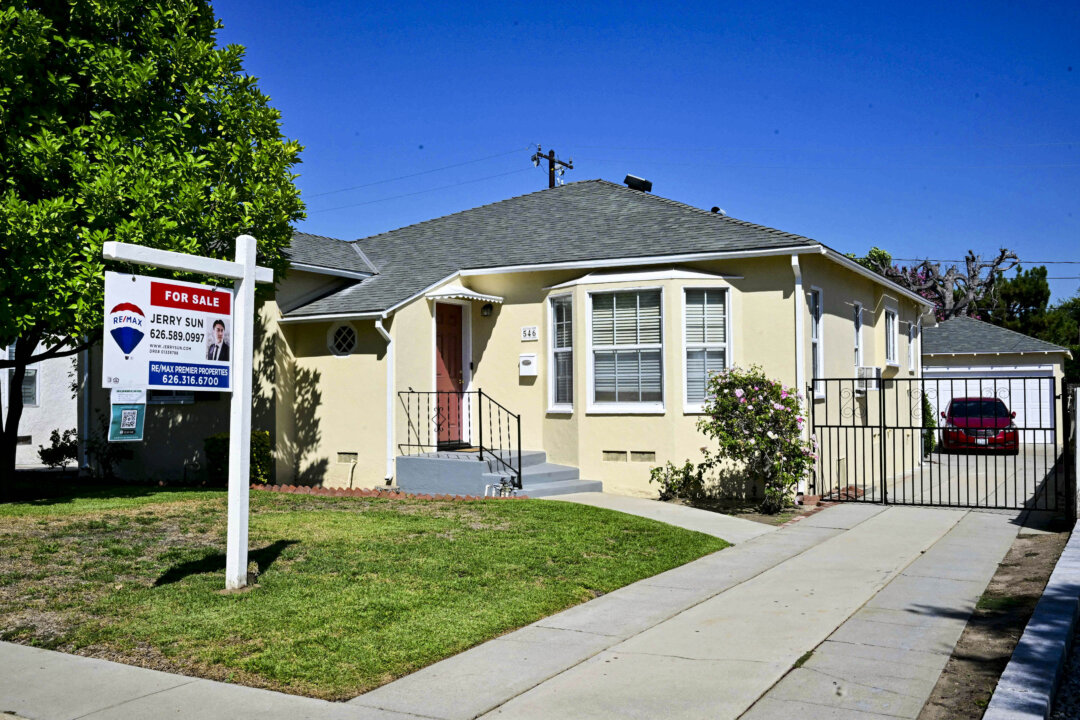
Sales of newly built homes in the United States surged in October to their fastest pace of the year, a bright spot in a constrained housing market.
New single-family home sales stood at a seasonally adjusted annual rate of 701,000, according to figures the Census Bureau and the Department of Housing and Urban Development released on Nov. 25. A new-home sale is recorded when a contract is signed, or a deposit is accepted, including for homes that have not yet been built.
That was up 14.2 percent from September, although September’s estimate was revised sharply lower, to 614,000 from the 676,000 originally reported. The monthly gain also falls within the Census Bureau’s margin of error of plus or minus 22.6 percent.
October sales were 7.5 percent above a year earlier, while year-to-date sales are down 3 percent.
The national increase was driven entirely by a surge in the South, where sales rose 36.2 percent from September and 24.7 percent from October 2025. Sales in the Northeast plummeted 40.0 percent month over month and 63.4 percent year over year, and the Midwest and West also posted declines.
Prices Fall as Inventory Shrinks
The median sales price of a new home was $391,300 in October, down slightly from $392,600 in September and 3.2 percent below the year-earlier level.
The number of new homes for sale declined to an estimated 470,000, down 1.5 percent from September and 4.1 percent from a year earlier. At October’s sales pace, that inventory represented eight months of supply, compared with 9.3 months in September.
Despite October’s improvement, new-home sales through the first 10 months of 2026 remained 3 percent below the same period last year, according to the National Association of Home Builders (NAHB).
Builders Lean on Discounts
The sales increase comes as more builders cut prices and offer other incentives to attract buyers.
“New home sales increased in October, but the overall pace of sales remains constrained by affordability challenges,” Bill Owens, chairman of the NAHB, said in a news release.
“Builders are responding with incentives and pricing adjustments, but a more sustained improvement in affordability will be important for strengthening housing demand,” he said.
In its November survey, NAHB reported that 46 percent of single-family home builders reduced prices, the highest share since the pandemic. The average price cut held at 6 percent in November for the eighth consecutive month.
The share of builders using sales incentives also hit a post-pandemic high of 68 percent. This marked the 20th month in a row when at least 60 percent of builders have used incentives to boost demand.
Builder confidence nevertheless fell four points to 25 on the NAHB/Wells Fargo Housing Market Index. A reading below 50 indicates that more builders view conditions as poor than good.
Broader Housing Market Remains Weak
The new-home rebound contrasted with declining sales of previously owned homes. The National Association of Realtors (NAR) reported that existing-home sales fell 5.5 percent in October to a seasonally adjusted annual rate of 3.75 million, down 8.8 percent from a year earlier.
Month-over-month sales declined in the Midwest, South, and West, and held steady in the Northeast, according to NAR. Year-over-year sales declined in all four regions.
The weak sales come as mortgage rates remain elevated. For the week ending Nov. 25, the average 30-year fixed-rate mortgage was 7.21 percent, according to Freddie Mac, down from 7.28 percent the previous week.
“Home buying is difficult when mortgage rates have climbed to their highest levels since 2000, aside from a single month in 2023,” NAR Chief Economist Lawrence Yun said in a statement. “As a result, home sales fell to their lowest level since August 2010.”





Can Spare Change Build Wealth? What to Know Before Trying Micro-Investing
The idea behind micro-investing apps is that they give you the ability...

From Amazon to FedEx, US Government Issues Billions in Tariff Refunds to Businesses
Since the Supreme Court struck down President Donald Trump’s emergency-powers tariffs in...

Wall Street Review: Stocks Rebound in Holiday Week as AI Trade Revives
The AI trade returned during Thanksgiving week to power a rally in...

Neither Inflation nor Bad Weather Deters Black Friday Shoppers From Seeking Deals
NEW YORK—Shoppers migrated from Thanksgiving meals to Black Friday deals as predictably...