
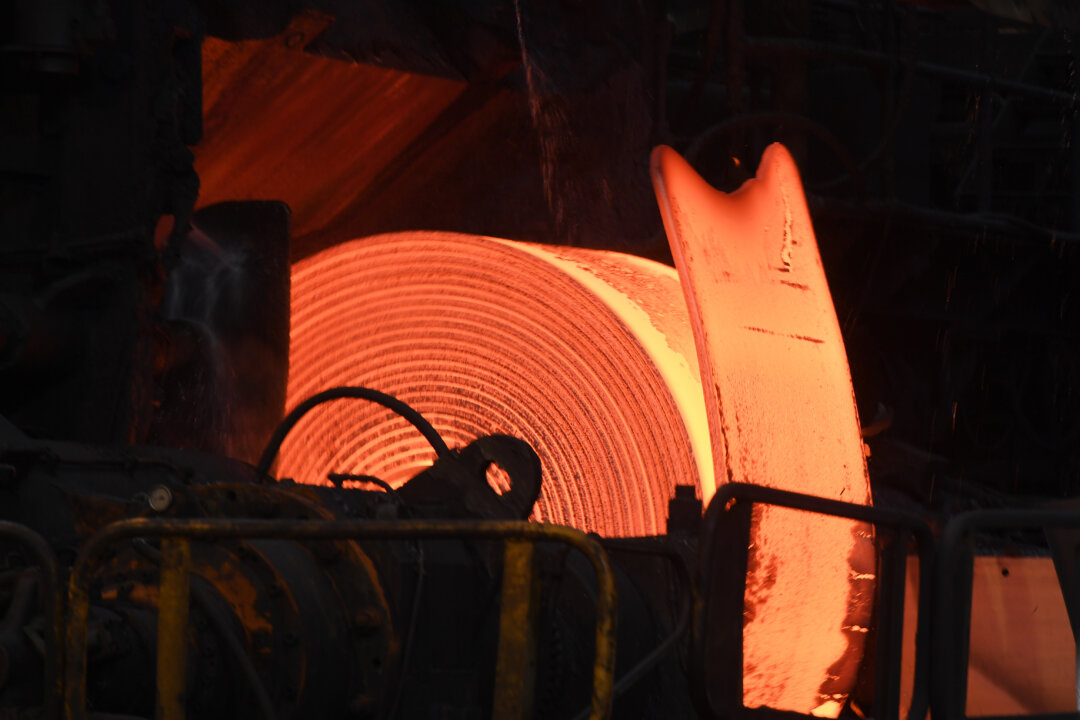
Australia’s largest aluminium smelter last week received a $2.5 billion (US$1.8 billion) taxpayer-backed lifeline, securing operations and thousands of Hunter Valley jobs for another decade.
The federal and New South Wales (NSW) governments will support a new 10-year power arrangement after Tomago Aluminium’s existing electricity contract expires on Dec. 31, 2028.
The move is aimed at securing Australia’s end-to-end domestic aluminium supply chain, which covers bauxite mining to alumina refining to smelting and advanced manufacturing.
The agreement is slated to give Tomago time to invest, and hopefully, decarbonise its operations, while preserving about 1,000 direct and an estimated 5,000 indirect jobs.
Rio Tinto, the smelter’s majority owner, welcomed the deal, saying it would provide Tomago with reliable and internationally competitive electricity, and aims to be sourced entirely from renewable energy from 2033.
In recent months, the Australian government has spent billions trying to save domestic manufacturers and producers from a flood of cheap overseas goods and material.
This includes $2 billion to rescue the Boyne Aluminium Smelter, $600 million to Glencore’s Mount Isa Copper Smelter and Townsville Refinery, $2.4 billion to the Whyalla Steelworks, and $135 million to the lead and zync Nyrstar Smelters.
There is now a push for the government to step in and rescue the mothballed Kalgoorlie Nickel Smelter, owned by mining giant BHP.
Australia’s largest rice producer, SunRice, is also set to receive $15 million.
But with ongoing pressure from high energy costs, inflation, and cheap overseas competition, particularly from China, is the investment a solution or does it just delay Tomago’s potential closure to 2038?
Economist Questions Whether Australia Can Compete Globally
Tomago draws 10 to 12 percent of the electricity demand from Australia’s most populous state, which accounts for more than 40 percent of the smelter’s operating costs.
In October 2025, Tomago Aluminium started consultations with employees regarding its future.
“Tomago Aluminium has reached a point where it must contemplate ceasing operations at the end of its current electricity supply contract,” the company said. They said price increases in coal-fired and renewable energy would leave the plant “unviable.”
Independent economist Saul Eslake said there was an argument for Australia to maintain its own domestic aluminium supply, particularly as the metal’s importance grows.
“Australia’s production of bauxite and alumina could also eventually provide it with a comparative advantage in aluminium production,” he told The Epoch Times.
However, Eslake questioned whether the smelter could compete with larger overseas facilities—like those in Asia—that enjoy cheaper energy, less stringent regulation, larger domestic markets, and closer proximity to major customers.
“I’m not outright opposed to this [bailout] agreement, but I’m sceptical about it,” he said.
Could Tariffs and Subsidies Be a Solution?
Commercial lawyer Dan Ryan, of the National Conservative Institute of Australia (NatCon), said the bailout demonstrated the failure of Australia’s decades-old trade and foreign policy.
“No country has ever retained a significant industrial base when they have engaged in [absolute] free trade,” Ryan told The Epoch Times.
“We need to reimplement a broad-based tariff wall to encourage industry to reestablish itself in our country and to produce more of what we need here.”
He said taxpayer-backed bailouts will continue until Australia sets up its own tariff wall to protect local industry from mass overseas producers.
“In the end, if you are not going to reintroduce tariffs, you are not going to see industry return,” he said.
“Unless we change course on trade policy, we will inevitably be required to engage in these life-support bailouts for industry.”
Ryan pointed to U.S. moves to slap tariffs on Chinese goods over the last decade, and said Europe was also “readjusting” its trade settings.
“[Australia] have failed to reflect the realities of the world in which we live,” Ryan said.
Subsidies Need to be Transparent: Eslake
In contrast, Eslake argued that subsidies were better than tariffs, which could end up costing consumers more.
“Traditional trade policy instruments like tariffs and quotas force consumers to pay unnecessarily high prices so that businesses, which otherwise wouldn’t survive, can continue in business,” he said.
“The government shouldn’t be trying to ‘protect Australian manufacturers from cheap imports.’”
Eslake said the subsidies should be transparent.
“The amount of the subsidy should be clearly shown in Budget Papers, so that citizens can see how much those subsidies are costing them, and make their own decisions as to whether that money is well spent.”