Cuban Delegation Walks Out of Trump’s UN Speech
 Jackson RichmanUpdated 2 hours Ago2 Mins read
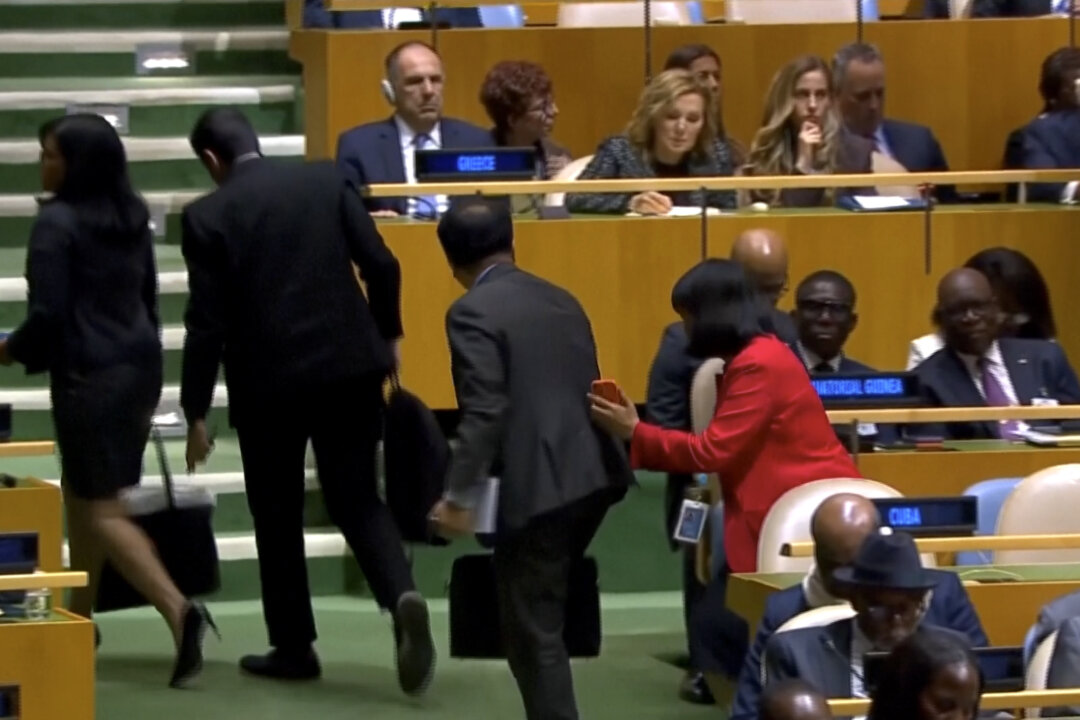

Cuba’s delegation at the U.N. walks out during U.S. President Donald Trump’s address to the 81st Session of the U.N. General Assembly in New York City on Sept. 22, 2026. UNTV via Reuters/Screenshot via The Epoch Times
Cuba’s delegation at the United Nations walked out on U.S. President Donald Trump’s Sept. 22 speech before the General Assembly, where he called out the island nation.
During his speech, Trump said his administration is “seeking a fundamental change in the situation in Cuba, where the communist regime is under great pressure, the biggest pressure they’ve ever been under—it’s an absolutely failed state. It’s failing like never before, and it will fall.”
As Trump said that Secretary of State Marco Rubio is handling negotiations with Cuba, video showed the Cuban delegation walking away from their spot inside the General Assembly hall.
Trump vowed that he will not allow Cuba to be “a haven for foreign adversaries to threaten America on our own doorstep, right at our doorstep.”
The president accused Cuba of having “spent decades coordinating with the left-wing radicals and communist networks here in the United States.” He cited the State Department saying that Cuba has “cultivated ties to subversive and radical groups” including Communist Party USA, Antifa, and the Democrat Socialists of America.
“Communism will never be coming to America, but freedom will be coming to Cuba,” Trump said.
The Trump administration has taken a hard stance on Cuba.
Starting in January, the United States imposed an oil blockade on Cuba following the capture of former Venezuelan leader Nicolás Maduro, cutting off the Caribbean country from importing Venezuelan oil. The move has led to fuel shortages and blackouts on the island. Cuban Energy and Mines Minister Vicente de la O Levy said on May 13 that the country had totally run out of diesel and heavy fuel oil.
Trump hinted on May 21 that he planned to intervene in Cuba following the U.S. indictment of former communist revolutionary leader Raúl Castro. Castro was accused of crimes related to Cuba’s shooting down of two unarmed civilian planes undergoing a humanitarian mission rescuing Cubans escaping the dictatorship in 1996. Three U.S. citizens and one lawful resident were killed in the incident.
“Other presidents have looked at this for 50, 60 years doing something, and it looks like I’ll be the one that does it,” he said at the time.
A few days earlier, the United States brought sanctions against several Cuban government agencies and senior officials in response to repression and threats to U.S. national security.
Secretary of War Pete Hegseth reiterated on Aug. 12 the possibility of U.S. military action in Cuba.
“Like I’ve said before, and I think you’ve seen what happened in other cases, all options are on the table, to include military options,” he said.
“And I think Cuba would be wise to pay attention to the willingness of President Trump to assert American strategic prerogatives.”

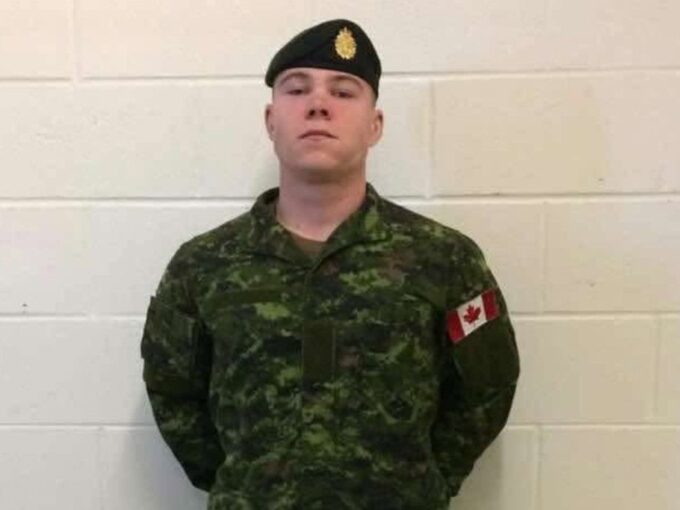
Afternoon front page: Synagogue shooting suspect dies; CBC journalist has run-in with protesters outside Yom Kippur service; and more
Sean Ward, the suspect in a shooting outside a Belleville, Ont., synagogue....
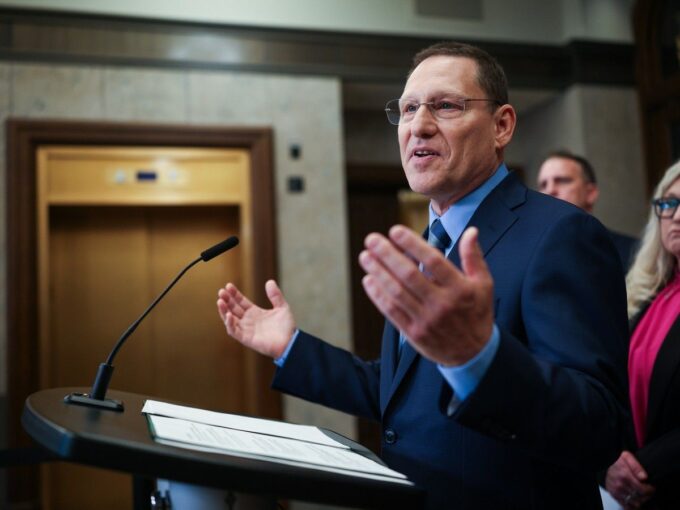
Avi Lewis defends Yom Kippur message called ‘despicable,’ claims critics are after ‘partisan points’
New Democratic Party leader Avi Lewis speaks during a press conference in...

Made in Canada: Pumpkin spice is nice, but have you tried banana bread? Five seasonal scents to fall for
Article contentWe always know when fall is in the air because, well,...
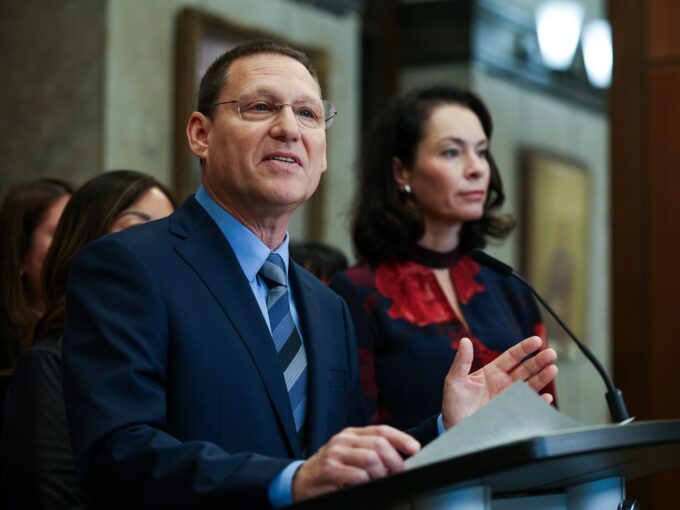
John Ivison: Carney throws the NDP a lifeline with his new labour bill
New Democratic Party leader Avi Lewis speaks during a press conference at...