EU Citizens Urged to Prepare for First 3 Days of an Emergency
 Rachel RobertsUpdated 2 weeks Ago3 Mins read
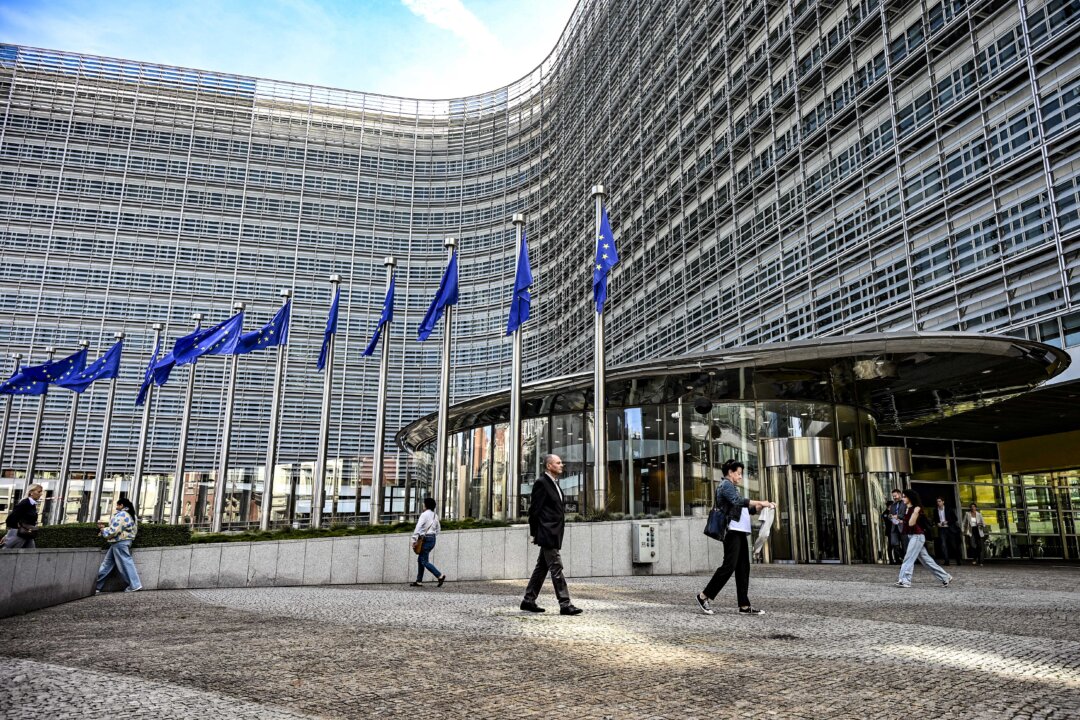
People across Europe are being urged to prepare to survive for at least three days without outside assistance in the event of a major emergency, under new guidelines unveiled on Tuesday by the European Commission.
The recommendations include keeping essential emergency supplies at home, preparing grab bags, and ensuring that children and adults are taught how to respond in the event of a natural disaster or other crisis. They form part of a wider EU drive to strengthen the bloc’s ability to withstand everything from extreme weather and cyberattacks to the possibility of war.
“When disaster strikes, the first hours can make all the difference,” said European Commissioner for Equality, Preparedness and Crisis Management Hadja Lahbib, who presented the guidelines at the European Civil Protection Forum in Brussels. “Every European should know what to do, how to protect their family, and how to help others.”
“Preparedness starts in our homes, in our schools, in our communities,” she added.
The advice reflects growing concern among European governments about how quickly essential services could be disrupted during a major crisis, and the capacity of emergency services to reach those most in need.
Prepping in Primary Schools
The Commission’s guidelines encourage households to ensure they can meet their basic needs for 72 hours while public assistance is being mobilized. They also recommend that national governments introduce preparedness education into early childhood and primary schools, and ensure that emergency plans take account of people with disabilities.
Authorities are also being urged to improve the way they communicate information about risks and threats, so that the public receives reliable advice before, during, and after an emergency.
The recommendations are not legally binding but are intended to help the bloc’s 27 member states equip their populations with practical knowledge and encourage households to take greater responsibility for their own preparedness.
The announcement follows a similar initiative in Britain, where the government launched its Be Ready campaign on Oct. 22. The campaign advises households to keep enough essential supplies to cope with three days of disruption to everyday services, including electricity, water, telephone networks, and the internet.
The Cabinet Office recommends households should store nine liters, or 0.26 gallons, of drinking water for each person, along with canned food, torches, batteries, power banks, and a wind-up radio, in case the internet goes down.

Bottled water is loaded into a car at an emergency water distribution point in Tunbridge Wells, England, on Jan. 13, 2026. Carl Court/Getty Images
‘War in 1,000 Days’ Warning
The campaign was launched amid concerns about the UK’s security, with Defense Secretary Wes Streeting warning that Britain must be ready to fight a war within 1,000 days, highlighting the need to strengthen the country’s military capabilities.
In the United States, government advice to households to maintain emergency supplies is already well established through the Federal Emergency Management Agency’s (FEMA) campaign Ready which launched in 2003.
A 2024 National Household Survey carried out by FEMA found that 69 percent of respondents said they had assembled emergency supplies. Of those, 88 percent said their supplies would last for more than three days.
On Sept. 30, War Secretary Pete Hegseth announced a new initiative called FORTRESS America, intended to make military bases less dependent on civilian electricity grids and foreign supply chains.

British Defense Secretary Wes Streeting and Secretary of War Pete Hegseth shake hands at the Pentagon in Arlington, Va., on Oct. 15, 2026. Finn Gomez/Getty Images
The Pentagon’s plans for military preparedness include strengthening energy independence, securing supplies of essential materials, and improving the ability of military bases to withstand disruption. Reports have described a proposed requirement for major installations to sustain operations for up to 90 days without outside support.
Brussels is also concerned about whether governments themselves are sufficiently prepared. A separate recommendation adopted by the European Commission advises EU member states and other countries participating in the European Civil Protection Mechanism to draw up plans to ensure that their national emergency contact points remain operational during major disruptions.
These contact points are used to coordinate requests for assistance between countries. The commission wants governments to test their arrangements regularly, rather than assuming their systems will work when faced with an emergency.
The guidance draws on lessons from recent crises and is intended to ensure that the European Civil Protection Mechanism can continue operating around the clock, even when national systems are under strain.
Annual Preparedness Day Proposed
Lahbib also announced plans for an annual EU Preparedness Day, to be held on Oct. 23, beginning in 2027. The date marks the anniversary of the establishment of the European Civil Protection Mechanism in 2001, which coordinates assistance between participating countries during major emergencies.
The proposed annual event would encourage people to take a more active role in preparing for crises.
The proposals form part of the EU’s Preparedness Union Strategy, adopted in March 2025, which sets out a broader approach to anticipating and responding to threats. The strategy covers areas including public awareness, emergency planning and cooperation between national governments.
The Commission said at the time that the EU was “facing increasingly complex crises and challenges that cannot be ignored. From growing geopolitical tensions and conflicts, hybrid and cybersecurity threats, foreign information manipulation and interference, to climate change and increasing natural disasters, the EU needs to be ready to protect its citizens and the key societal functions that are crucial for democracy and daily life.”
The Commission’s latest guidelines were partly informed by a European Citizens’ Panel on Preparedness, which brought together 150 people from across the bloc between March and May this year. Among its recommendations was the introduction of an annual preparedness week.






Opposition Says WA Should Not Be Included in National Gas Reserve Scheme
The federal opposition is marking its turf on plans to create a...

Greens Elect Former MP Mike Morrice, the Sole Candidate, to Lead Party
Newly elected Green Party Leader Mike Morrice points as he speaks at...
Breast Milk Can Be Lifesaving for Premature Babies, Quebec Charity Says
When Annie Sicotte gave birth to her first daughter 11 weeks early,...

Is Autumn Glow the Next Winx? Inside the Making of a Racing Superstar
Autumn Glow now has six Group 1 victories—and she is fast becoming...